
Heat Pump Not Heating? 9 Common Causes and What to Check
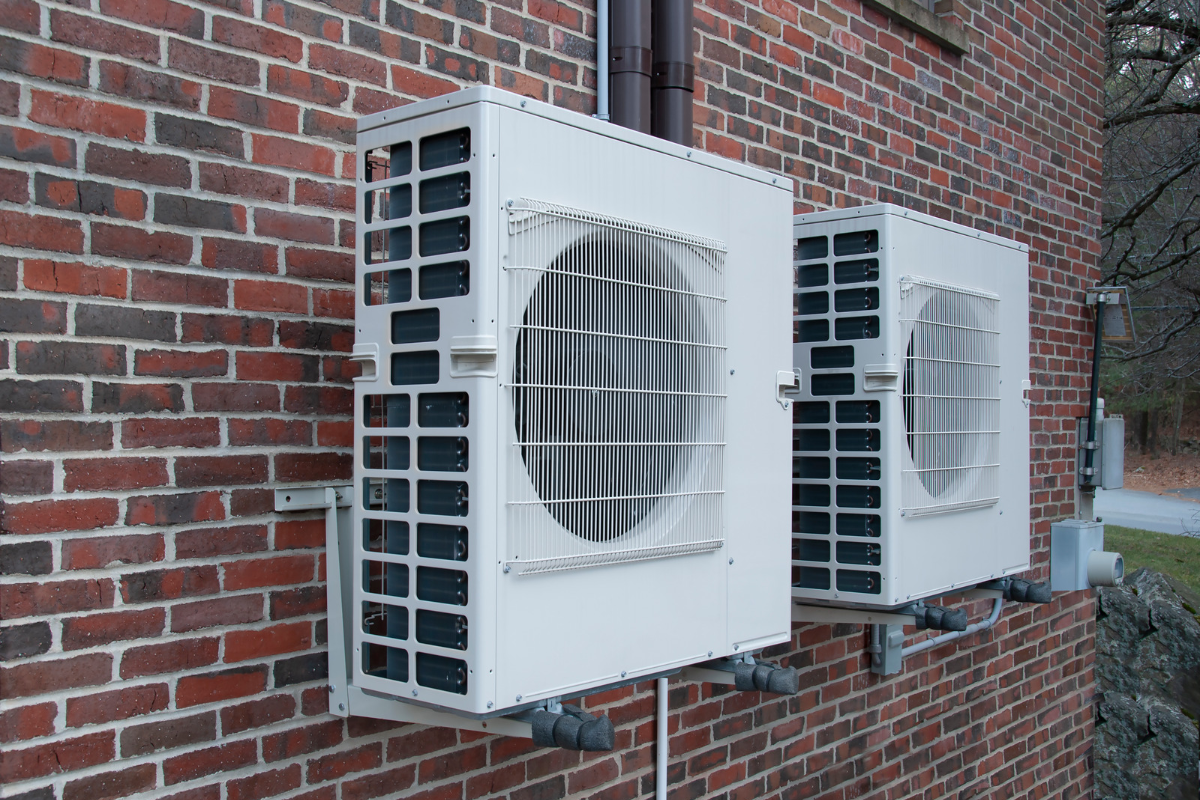
You turn up the thermostat expecting your home to get warmer, but the heat pump keeps running without producing enough heat. Maybe the air coming from your vents feels cool, the outdoor unit is covered in ice, or your system simply cannot reach the temperature you've selected. Whatever the symptom, a heat pump not heating properly can quickly become frustrating, especially during colder mornings and winter nights.
At Carmel Valley Heating & Sheet Metal, we help homeowners throughout Carmel Valley, Monterey, Pebble Beach, and surrounding Monterey County communities diagnose and repair heating problems. If your heat pump is not heating, the cause could be as simple as an incorrect thermostat setting or dirty filter, or it could involve refrigerant, electrical, or mechanical problems. Here are nine common causes, what you can safely check, and when professional heat pump repair is necessary.
Why Is My Heat Pump Running but Not Heating?
A heat pump may run without adequately heating your home because of incorrect thermostat settings, restricted airflow, outdoor unit problems, or a malfunctioning component. In some cases, the system is operating normally, but the air feels cooler than homeowners expect.
Unlike a gas furnace, which generates heat through combustion, an air-source heat pump transfers heat from the outdoor air into your home. Even when outdoor temperatures are cool, the system can extract heat and move it indoors.
Because of how this process works, heat pumps generally deliver air at a lower temperature than traditional furnaces. The air may feel lukewarm at the vents while still warming the room.
However, if your indoor temperature continues dropping, the system runs without reaching the thermostat setting, or cold air blows continuously, there may be an underlying problem.
Common warning signs include:
Air coming from the vents feels consistently cold.
The heat pump runs but the indoor temperature does not increase.
The outdoor unit is covered in heavy ice.
The system repeatedly turns on and off.
Airflow from the vents is unusually weak.
The heat pump works in cooling mode but not heating mode.
The thermostat displays an error or warning message.
Heating costs increase without a clear explanation.
The first step is determining whether your heat pump is experiencing a normal operating cycle or an actual heating failure.
Heat Pump Not Heating? Common Causes at a Glance
Some heat pump heating problems have simple solutions, while others require professional diagnosis. These nine common causes can help you identify what to check first.
| Possible Cause | What to Check or Do |
|---|---|
| Incorrect thermostat settings | Confirm the thermostat is set to HEAT, the desired temperature is above the room temperature, and the fan is set to AUTO rather than ON. |
| Dirty air filter | Check for a clogged filter that may restrict airflow. Clean or replace it according to the manufacturer's instructions. |
| Defrost cycle | Brief periods of cooler airflow can be normal during defrost. If heavy ice remains or heating does not resume, schedule an inspection. |
| Blocked or frozen outdoor unit | Look for leaves, vegetation, debris, or excessive ice restricting airflow. Keep the surrounding area clear and have persistent icing professionally evaluated. |
| Refrigerant leak | Low refrigerant can reduce heating capacity and contribute to icing. A qualified technician should locate and repair leaks and verify the correct refrigerant charge. |
| Faulty reversing valve | If the heat pump cools normally but does not heat, the reversing valve or its controls may be malfunctioning and require professional testing. |
| Electrical problem | Check for a tripped breaker or thermostat warning. Repeated breaker trips, failed electrical components, or control problems require professional service. |
| Leaky ductwork or poor airflow | Check for blocked vents, weak airflow, or uneven room temperatures. Damaged or leaking ducts may need professional sealing, repair, or replacement. |
| Compressor or control system failure | Unusual noises, repeated shutdowns, error codes, or little heating despite normal operation may indicate a mechanical or control problem requiring professional diagnosis. |
Carmel Valley Heating & Sheet Metal | Monterey County
1. Your Thermostat Is Set Incorrectly
One of the simplest reasons a heat pump stops heating properly is an incorrect thermostat setting.
If the thermostat is set to COOL instead of HEAT, the system will not provide the warmth you expect. Another common issue occurs when the fan is set to ON rather than AUTO.
When the fan is set to ON, the indoor blower may continue circulating air even when the heat pump is not actively heating. This can make the air coming from the vents feel cool.
What to Check
Start with these settings:
System mode: Set the thermostat to HEAT.
Temperature: Set the desired temperature a few degrees above the current room temperature.
Fan setting: Select AUTO rather than ON.
Schedule: Check whether a programmed schedule is lowering the temperature unexpectedly.
Thermostat display: Look for low-battery warnings or error messages.
After adjusting the settings, allow the heat pump several minutes to respond.
Could the Thermostat Be Faulty?
Yes. A malfunctioning thermostat may fail to communicate correctly with the heat pump or may measure the room temperature inaccurately.
If the thermostat is set correctly but the system does not respond, the problem could involve the thermostat, its wiring, or the HVAC controls.
According to Carrier's heat pump troubleshooting guide, thermostat settings are among the first things homeowners should check when a heat pump is not producing heat.
If the problem continues after checking the settings, professional diagnosis may be necessary.
2. A Dirty Air Filter Is Restricting Airflow
A clogged air filter is another common reason a heat pump struggles to heat a home.
As air passes through the HVAC system, the filter captures dust, pollen, and other airborne particles. Over time, accumulated debris can restrict airflow.
When airflow becomes limited, the heat pump may struggle to distribute enough warm air throughout the house.
Severe restrictions can also contribute to abnormal system temperatures, protective shutdowns, or other operating problems.
Signs of a Dirty Heat Pump Filter
You may notice:
Weak airflow from supply vents
Uneven temperatures between rooms
Longer heating cycles
Increased dust around vents
A visibly dirty filter
The heat pump struggling to reach the thermostat setting
What to Do
Locate the air filter and inspect it according to the manufacturer's instructions.
If the filter is disposable and dirty, replace it with the appropriate size and type. If your system uses a washable filter, clean and dry it according to the manufacturer's recommendations before reinstalling it.
Filter maintenance frequency depends on your equipment, household conditions, and filter type.
For ductless systems, the process is different. Our guide on how to clean a mini-split filter explains how filter buildup can affect airflow and system performance.
If replacing or cleaning the filter does not restore heating, the problem may involve another component.
3. Your Heat Pump Is in Defrost Mode
If your heat pump briefly blows cooler air during cold or damp weather, it may be operating normally.
Air-source heat pumps can develop frost on their outdoor coils when conditions are cool and humid.
To remove this frost, many systems periodically enter a defrost cycle. During defrost, the equipment temporarily changes how it operates so the outdoor coil can warm up and release accumulated frost.
Depending on the system, indoor heating may pause or supplemental heat may activate.
How Long Does Heat Pump Defrost Mode Last?
Many defrost cycles last only several minutes, although the exact duration varies by system and outdoor conditions.
You may notice:
The outdoor fan temporarily stops.
Steam rises from the outdoor unit.
The system makes a brief change in operating sound.
Indoor airflow feels cooler for a short period.
The heat pump resumes normal heating afterward.
Steam during defrost is generally normal and should not automatically be mistaken for smoke.
When Is Defrost Mode a Problem?
Defrost may indicate a malfunction when:
Thick ice remains on the outdoor unit.
The system appears to enter defrost unusually often.
The heat pump never returns to normal heating.
Ice continues building up after multiple cycles.
Your home becomes progressively colder.
A malfunctioning temperature sensor, control board, or other defrost component may prevent the system from clearing frost properly.
If your outdoor unit remains heavily iced over, contact an HVAC professional rather than trying to remove ice with sharp tools or excessive heat.
Homeowners with ductless systems can also review our article on why a mini-split is icing up, which covers additional causes of abnormal ice buildup.
4. The Outdoor Unit Is Blocked or Frozen
Your outdoor heat pump needs adequate airflow to absorb heat from the surrounding air.
When leaves, dirt, vegetation, or other debris obstruct the outdoor coil, the system may struggle to transfer heat efficiently.
In Monterey County, outdoor equipment may be exposed to coastal moisture, windblown debris, landscaping, and seasonal storms.
Properties near the coast may also experience salt exposure, which can contribute to corrosion over time.
What to Check Around the Outdoor Unit
From a safe location, inspect the area surrounding the heat pump.
Look for:
Leaves or debris around the unit
Plants growing too close to the equipment
Objects blocking the airflow openings
Dirt accumulating on the outdoor coil
Heavy frost or ice buildup
Signs of physical damage
Keep the area around the equipment clear according to the manufacturer's clearance requirements.
Do not open electrical panels, reach into the fan area, or attempt to clean internal components while the equipment is energized.
Can Coastal Conditions Affect Heat Pump Performance?
Yes. Moisture, salt exposure, and debris can contribute to equipment wear and reduced performance, particularly when routine maintenance is neglected.
Our article on how coastal air affects your HVAC system explains why homes near Monterey Bay may require additional attention to outdoor equipment.
If the outdoor unit is clean but the heat pump continues struggling to heat, a professional inspection can help identify the cause.
5. Your Heat Pump Has a Refrigerant Leak
Refrigerant plays a central role in how a heat pump transfers heat.
It circulates through the system, absorbing heat from one location and releasing it in another.
When a heat pump has insufficient refrigerant because of a leak, it may lose heating capacity and struggle to maintain a comfortable indoor temperature.
Signs of Low Refrigerant
Possible warning signs include:
The heat pump runs but produces little heat.
Heating performance gradually declines.
Ice develops on system components.
The unit runs for unusually long periods.
You hear a hissing sound near refrigerant lines or components.
The system struggles in both heating and cooling modes.
These symptoms do not confirm a refrigerant leak by themselves. Other problems can cause similar behavior.
Can You Add Refrigerant Yourself?
No. Refrigerant diagnosis and repair should be handled by a qualified HVAC technician.
A properly functioning sealed heat pump system should not routinely lose refrigerant.
If the charge is low, the technician should determine why, repair any identified leaks as appropriate, and restore the correct charge according to the manufacturer's specifications.
Simply adding refrigerant without addressing a leak may allow the problem to return.
Refrigerant handling also involves specialized equipment and regulatory requirements.
If you suspect a refrigerant problem, schedule professional heat pump service.
6. The Reversing Valve Is Not Working Properly
One of the features that makes a heat pump different from a traditional air conditioner is its ability to provide both heating and cooling.
A component called the reversing valve changes the direction of refrigerant flow, allowing the system to switch between operating modes.
If this valve becomes stuck or malfunctions, the heat pump may be unable to switch into heating mode correctly.
Signs of a Faulty Reversing Valve
A reversing valve problem may be suspected when:
The heat pump cools normally but does not heat.
The system continues delivering cool air in HEAT mode.
The thermostat is set correctly, but the operating mode does not change.
Heating performance becomes inconsistent.
These symptoms can also result from thermostat, control, or refrigerant problems, so professional testing is important.
Can a Reversing Valve Be Repaired?
The solution depends on the cause.
Sometimes the problem involves the electrical controls that operate the valve. Other cases may require replacing the valve itself.
Because the reversing valve is connected to the refrigerant system, repairs should be performed by a qualified technician.
If your heat pump works in cooling mode but refuses to heat, the reversing valve is one of the components that should be evaluated.
7. A Circuit Breaker or Electrical Component Has Failed
Heat pumps rely on electrical power to operate their compressors, fans, controls, and other components.
Many ducted systems have separate electrical circuits for the indoor air handler and outdoor unit.
If a breaker trips or a component loses power, part of the system may stop working.
For example, the indoor blower might continue running while the outdoor equipment is not operating correctly.
This can leave you with airflow but little or no heat.
What to Check
You can safely inspect the electrical panel for a tripped breaker.
Also check whether the thermostat display is operating normally.
If you find a tripped breaker, follow the equipment manufacturer's instructions and standard electrical safety precautions. Do not repeatedly reset a breaker that trips again.
Other Electrical Problems That Can Affect Heating
Potential problems include:
Faulty capacitors
Damaged wiring
Failed contactors
Blower motor problems
Defective control boards
Compressor electrical faults
Failed temperature sensors
These components require professional diagnosis.
Important: If you notice burning smells, smoke, sparking, or repeated breaker trips, stop using the equipment and arrange professional service. Do not open electrical compartments or attempt internal repairs yourself.
8. Leaky Ductwork or Poor Airflow Is Reducing Heating Performance
Sometimes the heat pump produces heat, but the warmth does not reach the rooms that need it.
This can happen when ductwork is leaking, disconnected, damaged, or improperly designed.
Air may escape into an attic, crawlspace, or other unconditioned area before reaching the living space.
Restricted return airflow or blocked supply registers can also interfere with heating performance.
Signs of Ductwork Problems
Watch for:
Certain rooms staying colder than others
Weak airflow from specific vents
Unusually long heating cycles
Higher energy bills
Dusty or damaged exposed ducts
Whistling sounds near duct connections
According to ENERGY STAR's guidance on duct sealing, leaks and poor connections can waste a substantial portion of the air moving through a home's duct system.
What Can You Do?
Start by checking that supply vents and return-air grilles are not blocked by furniture, rugs, or other objects.
If the airflow remains weak or certain rooms consistently struggle to warm up, the ductwork may need professional evaluation.
Our guide on when to replace your home's ductwork covers signs of damaged, aging, or inefficient ducts.
A technician can determine whether sealing, insulation, airflow adjustments, or duct replacement would help restore heating performance.
9. Your Heat Pump Has a Compressor or Control System Problem
The compressor is one of the major components responsible for circulating refrigerant through a heat pump.
If it is not operating correctly, the system may lose heating capacity or stop heating altogether.
Heat pumps also rely on electronic controls, sensors, and safety systems to coordinate their operation.
When these components malfunction, the heat pump may not start, may shut down unexpectedly, or may fail to operate in the correct mode.
Warning Signs of a Mechanical or Control Problem
Possible symptoms include:
The outdoor unit does not start when heating is requested.
The heat pump repeatedly shuts off.
Unusual buzzing, grinding, or clicking sounds occur.
The system displays recurring error codes.
The outdoor fan runs but the system produces little heat.
Heating problems continue after basic troubleshooting.
These symptoms do not automatically mean the compressor has failed. Electrical, refrigerant, and control problems can produce similar symptoms.
Does a Compressor Problem Mean You Need a New Heat Pump?
Not necessarily.
The appropriate solution depends on the component involved, the system's age, its warranty coverage, and the cost of repairs.
Some electrical or control issues can be resolved without replacing the entire heat pump.
Major compressor repairs may be more expensive, particularly on older equipment.
A professional diagnosis can help you compare repair costs with the potential benefits of replacement.
What to Check First When Your Heat Pump Is Not Heating
Before scheduling a service appointment, there are several basic checks you can perform without opening equipment panels or handling electrical components.
Step 1: Check the Thermostat
Confirm the system is set to HEAT, the desired temperature is above the current room temperature, and the fan is set to AUTO.
Step 2: Inspect the Air Filter
Check whether the filter is dirty or clogged. Replace or clean it according to your equipment's instructions.
Step 3: Check the Electrical Panel
Look for a tripped breaker. Do not repeatedly reset a breaker that trips again.
Step 4: Look at the Outdoor Unit
From the ground, check for visible debris, blocked airflow, or excessive ice buildup.
Step 5: Check the Indoor Vents
Make sure supply registers and return-air grilles are not obstructed.
Step 6: Allow Time for Normal Operation
If the heat pump has recently started or entered defrost mode, allow a short period for the system to return to normal heating.
Step 7: Monitor the Indoor Temperature
Check whether the room temperature gradually rises toward the thermostat setting.
If the system continues running without warming the home, professional diagnosis is the next step.
Avoid attempting refrigerant repairs, electrical troubleshooting inside equipment panels, or mechanical component replacement. These tasks require appropriate training and equipment.
Why Is My Heat Pump Blowing Cold Air When the Heat Is On?
A heat pump blowing cold air does not always mean the system has failed.
Unlike a furnace, a heat pump often supplies moderately warm air over longer operating cycles.
Because this air is cooler than the air produced by many gas furnaces, it may feel less warm against your skin even when the system is functioning correctly.
However, there is a difference between air that feels mildly warm and air that is genuinely cold.
When Cooler Air May Be Normal
Cooler-feeling airflow can occur when:
The system has just started.
The indoor fan is circulating air between heating cycles.
The heat pump is temporarily in defrost mode.
The supply air is warm enough to heat the room but cooler than furnace supply air.
When Cold Air Indicates a Problem
Professional service may be necessary when:
The heat pump continuously blows cold air.
The indoor temperature keeps falling.
The system never reaches the thermostat setting.
The outdoor unit is heavily iced over.
Heating performance suddenly becomes much worse.
If you are unsure whether your system is operating normally, monitor the indoor temperature rather than relying only on how the air feels at the vent.
Homeowners comparing different heating systems can also read our guide on why a furnace may blow cold air, which explains how furnace-specific problems differ from heat pump issues.
Why Is My Heat Pump Not Heating in Cold Weather?
Heat pumps extract heat from outdoor air, so their performance is influenced by outdoor conditions.
As temperatures fall, some systems have to work harder to maintain indoor comfort.
However, modern heat pumps can provide effective heating in cold weather, and some cold-climate models are designed for operation at temperatures well below freezing.
The outdoor temperature at which a particular heat pump begins to struggle depends on its design, capacity, installation, and the home's heating needs.
Does Monterey County Weather Affect Heat Pumps?
Yes, although the challenges can differ from those in regions with prolonged freezing temperatures.
Homes in Carmel Valley may experience chilly winter mornings and substantial temperature changes between day and night.
Coastal communities such as Monterey, Pacific Grove, Pebble Beach, and Carmel-by-the-Sea may experience cool, damp conditions that contribute to frost formation on outdoor coils.
A properly functioning heat pump should be able to manage normal operating conditions within its rated capabilities.
If your system struggles during typical local winter weather, the problem may involve equipment performance, airflow, sizing, or maintenance rather than outdoor temperature alone.
What About Auxiliary and Emergency Heat?
Some heat pump systems include auxiliary heating equipment that provides additional warmth when needed.
Auxiliary heat may activate automatically under certain conditions.
Emergency heat is a separate thermostat setting available on some systems. It generally bypasses the heat pump and relies on the backup heating source.
Not every heat pump has emergency heat, and electric resistance backup heating can increase operating costs.
Use emergency heat only according to the equipment manufacturer's guidance or an HVAC professional's instructions. It is not a substitute for diagnosing a malfunctioning heat pump.
Heat Pump Not Heating vs. Heat Pump Not Turning On
These symptoms can point to different problems.
Heat Pump Runs but Does Not Heat
If the system is running but the home remains cold, possible causes include:
Incorrect thermostat settings
Dirty filters
Refrigerant problems
Reversing valve failure
Defrost issues
Restricted airflow
Compressor or control problems
Heat Pump Does Not Turn On at All
If neither the indoor nor outdoor equipment responds, possible causes include:
Thermostat problems
Loss of electrical power
Tripped breakers
Safety switch activation
Failed electrical controls
Wiring or communication faults
A completely unresponsive system may require a different diagnostic approach than one that runs continuously without producing enough heat.
In either case, persistent problems should be evaluated by a qualified HVAC technician.
When Should You Call for Professional Heat Pump Repair?
Some heat pump problems can be resolved by correcting a thermostat setting or replacing a dirty filter.
Other problems require professional diagnosis because they involve electrical components, refrigerant, or mechanical equipment.
Schedule service when:
Your heat pump runs but cannot maintain a comfortable temperature.
Cold air continues blowing after basic troubleshooting.
The outdoor unit remains covered in ice.
The system repeatedly trips a breaker.
The heat pump makes unusual mechanical noises.
Heating performance suddenly declines.
The system repeatedly shuts down or displays error codes.
Your heat pump cools normally but does not heat.
You suspect a refrigerant leak.
You notice signs of electrical overheating.
For additional warning signs, read our guide to the 10 signs your HVAC system needs repair.
An experienced technician can test system operation, inspect electrical components, evaluate airflow, check refrigerant performance, and identify the underlying cause.
How to Prevent Heat Pump Heating Problems
Routine maintenance can reduce the likelihood of unexpected heating failures and help your system operate efficiently.
Because heat pumps provide both heating and cooling, they often operate throughout much of the year.
That makes regular inspection and maintenance particularly important.
Keep Filters Clean
Check filters regularly and clean or replace them according to the manufacturer's instructions.
Maintain Outdoor Airflow
Keep vegetation, leaves, and other debris away from the outdoor unit while following the manufacturer's clearance requirements.
Monitor Unusual Operation
Pay attention to new noises, persistent icing, weak airflow, and changes in heating performance.
Schedule Professional Maintenance
A technician can inspect electrical connections, system controls, refrigerant performance, coils, and other components.
The ENERGY STAR HVAC maintenance checklist recommends regular professional checkups and routine filter maintenance to help heating and cooling equipment perform reliably.
Prepare Before Cooler Weather Arrives
Addressing minor problems before winter can help reduce the risk of losing heat when you need it.
Our article on preparing your HVAC system for winter in Monterey County covers practical steps homeowners can take before temperatures drop.
You can also review our guide on how often to service your HVAC system in California for additional maintenance guidance.
Should You Repair or Replace a Heat Pump That Is Not Heating?
A heat pump that stops heating does not automatically need replacement.
Many problems, including thermostat issues, dirty filters, faulty sensors, and certain electrical failures, can be corrected through maintenance or targeted repairs.
However, replacement may be worth considering when the system is aging, experiencing repeated breakdowns, or requires an expensive major component repair.
When Repair May Make Sense
Repair may be appropriate when:
The heat pump is relatively new.
The problem involves a replaceable component.
The equipment has otherwise performed reliably.
Repair costs are reasonable.
Warranty coverage reduces the expense.
The system is properly sized for the home.
When Replacement May Be Worth Considering
Replacement may be appropriate when:
The system experiences frequent breakdowns.
Major repairs are becoming expensive.
Heating and cooling performance remain inadequate.
The equipment is approaching the end of its expected service life.
Corrosion or deterioration affects major components.
The system is improperly sized or inefficient for the property.
Before making a decision, review our article on how long heat pumps last in California.
If you are considering a new system, our 2026 guide to heat pump costs in California can also help you understand the factors that affect installation expenses.
A professional assessment can help determine whether repair or replacement offers better long-term value for your home.
Frequently Asked Questions About Heat Pumps Not Heating
1. Why is my heat pump running but not heating my house?
A heat pump may run without adequately heating because of incorrect thermostat settings, a dirty filter, restricted airflow, refrigerant problems, or a malfunctioning component. It may also be temporarily in defrost mode. If the indoor temperature does not rise after basic checks, professional diagnosis is recommended.
2. Why is my heat pump blowing cold air in heat mode?
Possible causes include the thermostat being set incorrectly, the fan running continuously, a normal defrost cycle, low refrigerant, or a faulty reversing valve. Heat pumps also produce air that may feel cooler than furnace air. Persistent cold airflow combined with a falling indoor temperature should be investigated.
3. How do I reset a heat pump that is not heating?
Reset procedures vary by manufacturer and model. Start by checking the thermostat settings and reviewing your equipment's operating instructions. Some systems have a manufacturer-approved reset procedure. Do not repeatedly cycle breakers or reset a system that keeps tripping electrical protection. If the problem continues, contact an HVAC technician.
4. Why is my heat pump not reaching the thermostat temperature?
A heat pump may struggle to reach the set temperature because of dirty filters, duct leaks, insufficient system capacity, refrigerant problems, or mechanical faults. Poor insulation and significant heat loss can also contribute. A professional can determine whether the problem involves the equipment or the home's heating requirements.
5. Is it normal for a heat pump to run constantly in winter?
Heat pumps may operate for longer periods than traditional furnaces, particularly during colder weather. Long heating cycles are not automatically a problem. However, if the system runs continuously without maintaining the desired indoor temperature, it should be inspected.
6. Why is my outdoor heat pump covered in ice?
A light layer of frost can be normal during cool, damp weather. Heat pumps use defrost cycles to remove frost from the outdoor coil. Heavy ice buildup that does not clear may indicate a defrost malfunction, restricted airflow, or a refrigerant problem.
7. Can a dirty filter cause a heat pump to stop heating?
Yes. A severely clogged filter can restrict airflow, reduce heating performance, and contribute to protective shutdowns or other operating problems. Cleaning or replacing the filter may restore normal performance when restricted airflow is the cause.
8. Why does my heat pump cool but not heat?
A heat pump that cools normally but fails to heat may have a reversing valve problem, thermostat or control issue, or another malfunction affecting heating operation. Professional testing is necessary to identify the exact cause.
9. At what temperature does a heat pump stop heating effectively?
There is no universal outdoor temperature at which all heat pumps stop heating effectively. Performance depends on the equipment's design, capacity, and installation. Some older systems may need supplemental heating as temperatures fall, while modern cold-climate heat pumps can operate at much lower temperatures.
10. When should I call an HVAC technician for a heat pump that is not heating?
Contact an HVAC technician if your heat pump continues blowing cold air, cannot maintain the thermostat setting, remains heavily iced over, repeatedly shuts down, or shows signs of electrical or refrigerant problems. These conditions may require professional repair.
Restore Reliable Heat Pump Performance in Monterey County
A heat pump not heating properly can result from something simple, such as an incorrect thermostat setting or dirty filter, or a more complex problem involving refrigerant, electrical controls, or mechanical components. Identifying the cause early can help restore comfort, reduce unnecessary energy use, and prevent minor issues from becoming more expensive repairs.
Carmel Valley Heating & Sheet Metal provides heat pump repair, maintenance, installation, and replacement services for homeowners and businesses throughout Carmel Valley, Monterey, Pebble Beach, Pacific Grove, Carmel-by-the-Sea, Marina, and surrounding Monterey County communities.
With more than 20 years of experience, our team can help diagnose heating problems, evaluate system performance, and recommend practical solutions for your home or business.
If your heat pump is running but not keeping your home warm, call (831) 298-9922 or contact Carmel Valley Heating & Sheet Metal to request an estimate or schedule heating service.