
How Often Should You Service Your HVAC System in California?
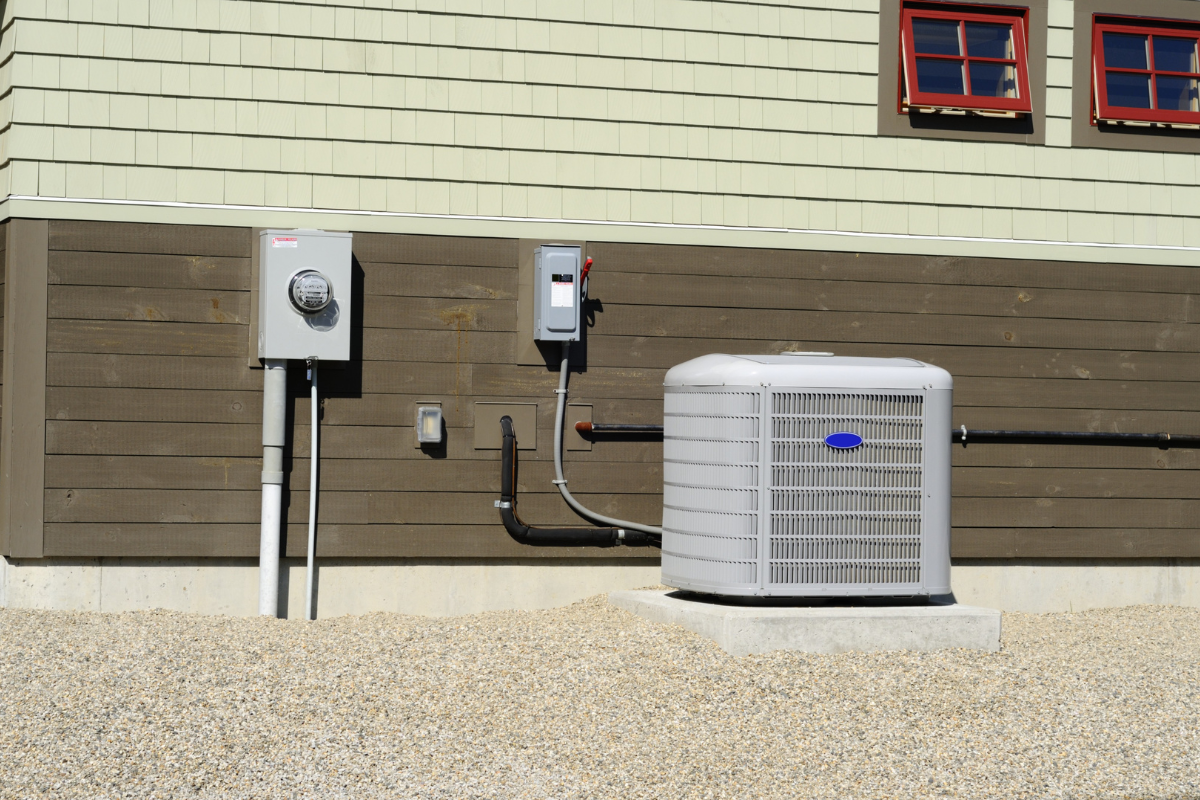
For most California homes, HVAC equipment should be professionally serviced at least once a year. Systems that provide both heating and cooling, including many heat pumps, may benefit from maintenance twice a year, typically before the primary cooling and heating seasons.
But there is not one maintenance schedule that applies to every system or every home. Equipment type, age, usage, manufacturer recommendations, and local conditions can all affect how often HVAC should be serviced.
At Carmel Valley Heating & Sheet Metal, we provide HVAC repair and maintenance throughout Monterey County. For homes near the coast, maintenance can be especially important because outdoor equipment may also be exposed to moisture, marine air, salt, vegetation, and debris.
How Often Should HVAC Be Serviced?
A useful general schedule is:
Air conditioner: At least once a year, ideally before periods of heavier cooling use
Furnace: At least once a year, ideally before the heating season
Heat pump: Often twice a year because the same equipment can operate during both heating and cooling seasons
Mini-split: Regular professional maintenance based on usage and manufacturer recommendations, with filters requiring more frequent homeowner attention
Older HVAC equipment: May warrant closer inspection depending on its condition and service history
The exact schedule should follow the manufacturer's maintenance recommendations for your particular equipment.
Waiting until something stops working is different from preventive HVAC maintenance. Regular service gives a technician an opportunity to inspect the system while it is still operating and identify developing issues before they necessarily become emergency repairs.
HVAC Service Frequency at a Glance
A general maintenance schedule can help homeowners plan service based on the type of heating and cooling equipment in the home.
| SYSTEM | GENERAL SERVICE SCHEDULE | BEST TIME TO CHECK |
|---|---|---|
| Air conditioner | At least once per year | Before heavier cooling use |
| Furnace | At least once per year | Before the heating season |
| Heat pump | Often twice per year | Before cooling and heating seasons |
| Mini-split | Based on usage and manufacturer recommendations | Before periods of heavier use |
| Older HVAC equipment | May need closer attention | Based on condition and service history |
Annual professional maintenance is a good starting point for many HVAC systems. Heat pumps that provide both heating and cooling may benefit from service twice a year.
Is Once a Year Enough for HVAC Maintenance?
For many systems, annual professional service is a reasonable baseline.
However, whether once a year is enough depends partly on what equipment you have.
A central air conditioner used primarily for cooling has a different operating schedule from a heat pump that provides both heating and cooling throughout the year. A furnace may sit largely unused during warmer months before becoming important again when temperatures drop.
This is why spring and fall HVAC maintenance schedules are common. Cooling equipment can be checked before warmer weather, while heating equipment can be inspected before periods of greater heating demand.
If a single heat pump handles both jobs, checking the system before each major operating season can make sense.
How Often Should an Air Conditioner Be Serviced?
A central air conditioner should generally receive professional maintenance at least once per year.
For California homeowners, servicing the AC before the period when it will be used most heavily can help ensure the system is ready for warmer weather.
During an AC maintenance visit, a technician may inspect components and operating conditions such as:
Electrical connections and components
Refrigerant-related performance
Condensate drainage
Indoor and outdoor coils
Blower operation
Thermostat operation
Airflow
Filters
Outdoor equipment condition
The exact service performed depends on the system.
Maintenance does not guarantee that an air conditioner will never need a repair. It does provide an opportunity to evaluate system operation and catch visible or measurable problems before peak cooling demand.
How Often Should a Furnace Be Serviced?
A furnace should generally be inspected and serviced annually, preferably before it is relied on regularly for heating.
Even in California's milder coastal climate, furnaces can remain unused for months before homeowners turn them on during colder weather.
An annual heating-system inspection gives a technician an opportunity to check system operation and components before that period of heavier use.
The specific maintenance requirements vary depending on whether the furnace is gas or electric and on the equipment manufacturer.
If your heating system has unusual odors, sounds, startup problems, short cycling, or other signs of improper operation, do not wait for the next routine maintenance appointment to have it evaluated.
How Often Should a Heat Pump Be Serviced?
Heat pumps deserve slightly different consideration because the same system can provide both heating and cooling.
Unlike an air conditioner that may operate mainly during warmer months, a heat pump can work throughout much of the year. In heating mode it transfers heat into the home, and in cooling mode it reverses the process.
Because of that year-round workload, twice-yearly professional maintenance can be appropriate for many heat pump systems, often once before the cooling season and again before the heating season.
Homeowners should still follow the maintenance schedule recommended for their specific equipment.
If you're considering replacing an older HVAC system, our guide to heat pumps vs. mini-splits explains how ducted and ductless heat pump systems differ.
How Often Should a Mini-Split Be Serviced?
Ductless mini-splits also require ongoing maintenance.
Because mini-splits have indoor units located directly within rooms or zones, homeowners may notice dust accumulation on filters and indoor components more readily than with some central systems.
Filters generally need attention much more frequently than professional HVAC service. How often they should be cleaned or replaced depends on the particular equipment, household conditions, usage, pets, dust levels, and manufacturer instructions.
Professional maintenance can include inspection of both the indoor and outdoor portions of the system, drainage, electrical components, coils, airflow, and overall operation.
A multi-zone system may also have several indoor units that need to be inspected rather than a single central air handler.
Does Coastal California Require More HVAC Maintenance?
Coastal conditions are an important consideration for homeowners around Monterey County.
Outdoor HVAC equipment near Carmel-by-the-Sea, Pebble Beach, Monterey, Pacific Grove, and other coastal communities can experience marine air, moisture, fog, wind, vegetation, and airborne salt.
Salt exposure can contribute to corrosion of metal components over time. Debris and vegetation can also interfere with airflow when allowed to accumulate around outdoor equipment.
That does not necessarily mean every coastal HVAC system needs the exact same additional maintenance schedule.
It does mean the condition of outdoor equipment deserves particular attention.
A property with substantial marine exposure may have different maintenance considerations from a home farther inland in Carmel Valley. Equipment placement, distance from the ocean, prevailing winds, landscaping, and the individual installation can all affect exposure.
Our guide to the best HVAC systems for coastal homes explains these coastal considerations in more detail.
What Happens During an HVAC Maintenance Visit?
Professional HVAC maintenance is more than changing a filter.
The exact checklist varies by equipment, but a service visit may include inspection of:
Thermostat operation
Electrical connections
Blower components
Airflow
Indoor and outdoor coils
Refrigerant-related system performance
Condensate drainage
Filters
Ductwork where applicable
Outdoor equipment
Heating components
System startup and operation
The goal is to evaluate how the system is operating, identify maintenance needs, and look for signs of developing problems.
The U.S. Department of Energy notes that regular air-conditioner maintenance is important for effective and efficient operation and identifies filters, coils, coil fins, and condensate drains among components requiring attention.
How Often Should You Change Your HVAC Filter?
Filter maintenance occurs much more frequently than professional HVAC service.
There is no universal replacement interval for every filter and household.
How quickly a filter becomes dirty can depend on:
Filter type
Equipment use
Pets
Dust
Indoor activities
Home renovations
Local environmental conditions
Manufacturer recommendations
Instead of assuming every filter lasts a fixed number of months, homeowners should inspect filters regularly and follow the recommendations for their particular HVAC equipment and filter.
A dirty filter can restrict airflow and force the system to operate under conditions it was not designed for.
If you are unsure which filter your system uses or how frequently it should be changed, ask during your next maintenance appointment.
What Are the Signs Your HVAC System Needs Service?
You do not need to wait for the annual maintenance date if the system is showing signs of a problem.
Schedule HVAC service if you notice:
Unusual noises
Unusual or persistent odors
Weak airflow
Uneven heating or cooling
Difficulty maintaining the thermostat setting
Frequent cycling
Unexpected shutdowns
Water or moisture where it should not be
A sudden unexplained change in system performance
Equipment that will not start
Some changes are minor. Others can indicate a problem that should be addressed promptly.
If your system is not operating properly, treat the appointment as a repair or diagnostic visit rather than waiting for routine maintenance.
Signs Your HVAC System May Need Service
You do not need to wait for your regular maintenance appointment when the system starts showing signs that something may be wrong.
| WHAT YOU NOTICE | WHY IT DESERVES ATTENTION |
|---|---|
| Weak airflow | May indicate airflow restrictions, blower issues, or other system problems |
| Uneven temperatures | Rooms that heat or cool differently may point to airflow, ductwork, or system performance issues |
| Unusual noises | New rattling, grinding, buzzing, or other sounds should be evaluated |
| Frequent cycling | Repeated starting and stopping may indicate a system or control issue |
| Unusual odors | Persistent or unfamiliar smells can be a reason to have the equipment inspected |
| Water or moisture | Unexpected moisture around HVAC equipment may indicate a drainage or system problem |
| Reduced performance | Difficulty maintaining the thermostat setting can signal that the system needs attention |
If your HVAC system is operating differently than usual, do not wait for the next scheduled maintenance visit. Have the issue evaluated before it potentially becomes a larger repair.
Does Regular HVAC Maintenance Help the System Last Longer?
HVAC equipment naturally wears as it operates, and no maintenance program can make a system last forever.
However, regular service can help keep equipment operating as intended and give homeowners an opportunity to address maintenance needs and developing problems.
Maintenance is particularly valuable because some problems are easier to address before they cause a system shutdown or affect other components.
Equipment life ultimately depends on many factors, including:
Installation quality
System sizing
Equipment quality
Operating hours
Climate
Maintenance history
Coastal exposure
Airflow
Electrical conditions
Individual component wear
Rather than viewing maintenance as a guarantee of a particular equipment lifespan, it is better to think of it as part of responsible HVAC ownership.
Should You Service HVAC Before Summer or Winter?
The best timing depends on the system.
For cooling equipment, scheduling maintenance before periods of heavier warm-weather use gives you time to address problems before you are relying heavily on the system.
For heating equipment, the same principle applies before colder weather.
Heat pumps that operate during both seasons may benefit from being checked before both periods.
In Monterey County, exact timing can also vary by location. Coastal communities and inland Carmel Valley do not experience identical temperature patterns.
The important part is not waiting until the first unusually hot or cold day to discover that the system is not operating properly.
Can You Do HVAC Maintenance Yourself?
Homeowners can handle some basic HVAC care, but that is not the same as professional system maintenance.
Depending on the equipment, homeowner tasks may include:
Inspecting or changing accessible filters
Keeping outdoor equipment clear of leaves and debris
Making sure supply and return vents are not blocked
Watching for unusual noises or operating changes
Keeping the area around HVAC equipment accessible
More technical work involving electrical components, refrigerant, combustion systems, internal equipment, or system diagnostics should be left to qualified professionals.
Never remove safety panels or attempt repairs you are not trained to perform.
A Simple HVAC Maintenance Schedule for California Homes
For most homeowners, the easiest approach is to think about HVAC maintenance seasonally.
Before warmer weather: Check cooling performance, filters, airflow, outdoor equipment, and schedule professional AC or heat pump maintenance when appropriate.
Before cooler weather: Check heating performance and schedule furnace or heat pump maintenance when appropriate.
Throughout the year: Inspect filters, keep outdoor equipment clear, and pay attention to changes in noise, airflow, odors, cycling, or comfort.
For coastal homes, also keep an eye on the physical condition of outdoor equipment and surrounding exposure.
Regular HVAC Service Starts With Your Equipment and Your Home
So, how often should HVAC be serviced?
For most systems, professional maintenance at least once per year is a good starting point. Heat pumps and other equipment used for both heating and cooling may benefit from service twice per year.
The right schedule ultimately depends on the equipment, how much it operates, manufacturer recommendations, system age, and the conditions around your home.
For Monterey County homeowners, coastal exposure can add another reason to keep outdoor HVAC equipment regularly inspected.
Carmel Valley Heating & Sheet Metal provides HVAC maintenance and repair throughout Carmel Valley, Carmel-by-the-Sea, Pebble Beach, Monterey, Pacific Grove, and surrounding Monterey County communities.
If your system is due for maintenance or is not operating properly, contact Carmel Valley Heating & Sheet Metal or call (831) 298-9922.
Frequently Asked Questions About HVAC Maintenance
How often should an HVAC system be serviced?
Most HVAC systems should receive professional maintenance at least once per year. Equipment used for both heating and cooling, such as heat pumps, may benefit from service twice per year. Always consider the manufacturer's recommendations for your specific system.
Is HVAC maintenance really necessary every year?
Annual maintenance provides an opportunity to inspect equipment, evaluate system operation, perform necessary maintenance, and identify developing issues. The appropriate schedule depends on the equipment and manufacturer requirements.
Should I have my HVAC serviced twice a year?
Twice-yearly service can make sense when the same equipment operates extensively during both heating and cooling seasons. Heat pumps are a common example. Systems with separate heating and cooling equipment may instead have each piece of equipment serviced before its primary operating season.
What month is best for HVAC maintenance?
There is no single best month. Cooling-system maintenance is generally most useful before periods of heavy cooling demand, while heating-system maintenance is useful before colder weather. Scheduling before peak seasons can also give you time to address any problems that are discovered.
How often should a heat pump be serviced?
Because heat pumps can provide both heating and cooling and may operate throughout much of the year, professional maintenance twice a year can be appropriate for many systems. Follow the manufacturer's recommendations for the specific equipment.
How often should I change my HVAC filter?
It depends on the filter, HVAC equipment, household, usage, pets, dust, and manufacturer recommendations. Filters should be inspected regularly and cleaned or replaced when appropriate rather than relying on one interval for every home.
Do coastal homes need more HVAC maintenance?
Coastal HVAC equipment may experience additional exposure to salt air, moisture, fog, vegetation, and debris. The appropriate service schedule depends on the property's exposure and equipment, but outdoor-unit condition deserves particular attention in coastal environments.
What happens if I skip HVAC maintenance?
Skipping maintenance can allow dirty components, airflow issues, wear, drainage problems, or other developing conditions to go unnoticed. It does not mean the system will automatically fail, but routine inspections provide an opportunity to identify issues before they potentially become larger problems.
Ready to Schedule HVAC Service?
Regular maintenance helps keep your heating and cooling system operating as intended. Carmel Valley Heating & Sheet Metal can inspect your HVAC equipment, address maintenance needs, and identify potential issues before they become bigger problems.