
How to Prepare Your HVAC System for Winter in Monterey County
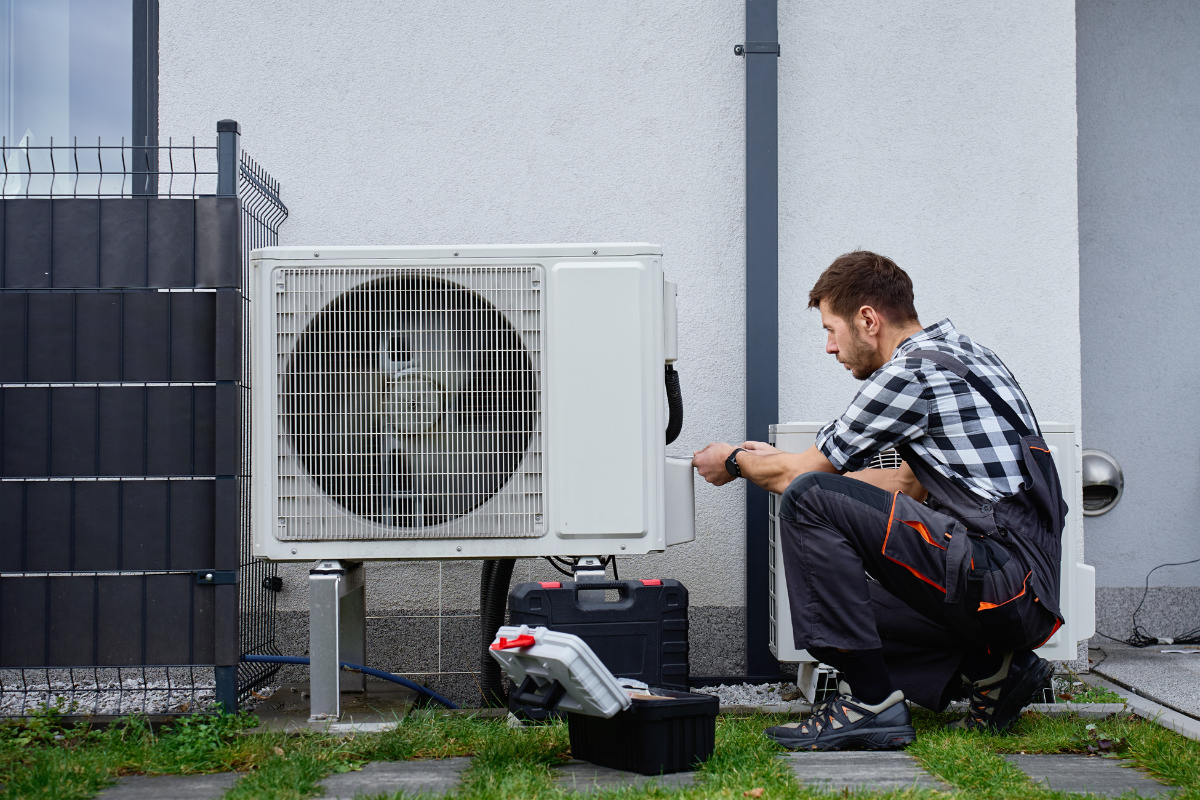
Winter in Monterey County may be milder than in many parts of the country, but your heating system still needs to be ready when temperatures drop. Cooler nights, damp coastal weather, seasonal rain, and increased heating use can reveal HVAC problems that were easy to overlook during warmer months.
Preparing your HVAC system for winter can help you catch maintenance issues before you depend on the system regularly, improve airflow, and reduce the chance of an unexpected heating problem on a cold night.
Carmel Valley Heating & Sheet Metal provides HVAC maintenance and repair throughout Carmel Valley and Monterey County. Whether your home uses a furnace, heat pump, ductless mini-split, or another heating system, a few practical steps can help get it ready for the cooler season.
When Should You Prepare Your HVAC System for Winter?
The best time to prepare your HVAC system for winter is before you begin relying on it regularly for heating.
In Monterey County, that does not necessarily mean following the same schedule as homeowners in colder climates. Coastal and inland communities can experience different temperatures, and heating needs vary considerably from one property to another.
Instead of waiting for the first cold night to discover a problem, check your system before sustained heating becomes necessary.
Early preparation gives you time to address issues such as:
Dirty filters
Weak airflow
Unusual noises
Thermostat problems
Damaged or obstructed outdoor equipment
Ductwork problems
Heating performance that has declined since the previous season
It is also a good opportunity to schedule professional maintenance before a minor problem becomes more disruptive.
How to Prepare Your HVAC System for Winter
Winter HVAC preparation does not require homeowners to take apart their heating equipment. Many of the most useful steps involve basic inspection, cleaning, testing, and paying attention to changes in system performance.
Here is what to check.
Winter HVAC Preparation Checklist
| What to Check | What to Do | Why It Matters |
|---|---|---|
| Air filter | Inspect the filter and replace or clean it according to the equipment and manufacturer instructions. | Dirty filters can restrict airflow and affect heating performance. |
| Heating operation | Test the system before colder weather and confirm that it starts, heats, and shuts off normally. | Early testing can reveal problems before you rely on the system regularly. |
| Thermostat | Check heating mode, temperature response, schedules, and batteries where applicable. | Thermostat problems can prevent the heating system from responding correctly. |
| Airflow | Make sure vents, returns, and ductless indoor units are not blocked by furniture, curtains, rugs, or other objects. | Proper airflow helps conditioned air move effectively throughout the home. |
| Outdoor equipment | Remove leaves, vegetation, debris, and other obstructions from around heat-pump and mini-split outdoor units. | Outdoor equipment needs adequate airflow during heating operation. |
| Ductwork | Look for visible damage, disconnected sections, weak airflow, or rooms that remain noticeably colder. | Duct problems can reduce comfort even when the heating equipment itself is operating. |
| System condition | Pay attention to unusual noises, persistent odors, leaks, error codes, frequent cycling, or poor heating. | Changes in normal operation may indicate the system needs professional service. |
| Professional maintenance | Schedule appropriate HVAC maintenance when the system is due or has not been inspected recently. | A technician can evaluate components and developing problems that are not part of routine homeowner maintenance. |
Monterey County tip: Coastal moisture, salt air, seasonal rain, vegetation, and debris can make outdoor-equipment inspection especially important before and during the heating season.
1. Replace or Clean the Air Filter
Start with one of the simplest HVAC maintenance tasks: check the air filter.
A dirty filter can restrict airflow through a forced-air heating and cooling system. Depending on the equipment, reduced airflow can affect comfort, system performance, and how hard the system must work to move conditioned air through the home.
If your system uses a disposable filter, replace it when appropriate for your equipment and filter type. If it uses a washable or reusable filter, clean it according to the manufacturer's instructions.
Ductless mini-splits typically have reusable filters inside the indoor units that also need periodic cleaning.
There is no single filter schedule that applies to every home. How quickly a filter becomes dirty can depend on system use, pets, dust, open windows, indoor conditions, and the equipment itself.
Checking the filter before heating season gives you a clean starting point.
2. Test the Heating System Before You Need It
Do not wait until the house feels cold to turn on the heat for the first time.
Set the thermostat to heating mode and raise the temperature enough for the system to begin operating. Give it time to start and observe how it performs.
Pay attention to whether:
The system starts normally
Warm air reaches the rooms it should
Airflow feels consistent
The system responds to thermostat changes
There are unusual noises
There are unexpected odors
The system shuts off normally
Any error codes appear
A heating system that operated properly months ago is not guaranteed to perform exactly the same when you turn it on again.
Testing it early gives you an opportunity to schedule service without waiting for a no-heat situation.
3. Check Your Thermostat
Your heating equipment cannot operate properly if the thermostat is not communicating with it as expected.
Before winter, make sure the thermostat turns the heating system on and responds appropriately when you adjust the temperature.
If your thermostat uses replaceable batteries, check them and replace them when needed. Review programmed schedules or smart thermostat settings as well, especially if they have not been changed since warmer weather.
This is also a good time to make sure the thermostat is set to the correct operating mode.
If the thermostat appears to be working but the heating system does not respond properly, the issue may be elsewhere in the HVAC system and should be diagnosed.
4. Make Sure Vents and Indoor Units Are Not Blocked
Furniture, rugs, curtains, boxes, and other household items can interfere with airflow.
For homes with central forced-air systems, walk through the house and check that supply registers and return-air openings are not unintentionally blocked.
If you have ductless mini-splits, make sure furniture, curtains, decorations, or other objects are not obstructing the indoor units.
Good airflow matters throughout the year, but problems may become more noticeable once your heating system begins operating regularly.
Avoid closing large numbers of vents in an attempt to save energy unless your particular HVAC system was specifically designed to operate that way. Changing airflow throughout a ducted system can affect system performance.
5. Inspect the Outdoor HVAC Equipment
Heat pumps and ductless mini-splits rely on outdoor equipment during the heating season, so the area around the outdoor unit should remain clear.
Check for:
Leaves
Branches
Weeds or vegetation
Dirt and debris
Objects stored too close to the equipment
Signs of physical damage
Vegetation should not crowd the unit or interfere with airflow.
Monterey County homeowners should also pay attention to what happens around the equipment during rainy weather. Drainage, runoff, falling debris, and surrounding vegetation can all affect the area where the outdoor unit operates.
A basic visual inspection is appropriate for homeowners. Internal electrical, refrigerant, or mechanical components should be left to a qualified HVAC professional.
6. Pay Attention to Your Ductwork
If your home uses ducts, the condition of that ductwork affects how heated air reaches different rooms.
Problems such as disconnected sections, damaged ducts, poor insulation, leakage, or improper sizing can contribute to uneven temperatures and reduced comfort.
Possible signs of a ductwork problem include:
Certain rooms are consistently colder than others
Airflow is noticeably weak at some vents
Heating takes longer than expected
You hear unusual noises from the duct system
Visible duct sections appear damaged or disconnected
Your system runs frequently but comfort remains inconsistent
Not every comfort problem originates with the furnace or heat pump itself. Sometimes the heating equipment is operating while the distribution system is preventing conditioned air from reaching the home effectively.
Accessible ductwork can be visually inspected, but diagnosing leakage, sizing, or hidden duct problems may require professional evaluation.
7. Look for Signs Your HVAC System Needs Service
A seasonal test run is useful because it may reveal problems before winter heating demand increases.
Watch for:
Weak airflow
Uneven heating
Unusual noises
Frequent cycling
Unexpected odors that persist
Rising or inconsistent indoor temperatures
Water around HVAC equipment
Error codes
A system that struggles to reach the thermostat setting
Heating equipment that does not start
Some temporary odors can occur when heating equipment is first used after sitting idle, but strong, persistent, or unusual odors should not be ignored.
If something about the system's operation seems noticeably different from the previous heating season, have it evaluated rather than assuming it will correct itself.
8. Schedule Professional HVAC Maintenance
ENERGY STAR recommends pre-season HVAC maintenance, with heating-system checkups ideally completed before winter demand increases.
Homeowner maintenance is useful, but it does not replace a professional HVAC inspection.
What is included in maintenance depends on the type of equipment and its condition, but a technician may inspect components related to:
Heating operation
Airflow
Electrical connections
Blower or fan operation
Thermostat function
Indoor and outdoor coils where applicable
Refrigerant-related performance for heat-pump systems
Condensate drainage where applicable
Visible equipment condition
System controls and safety-related components
Professional maintenance also gives the technician an opportunity to identify signs of wear or developing problems before they become more noticeable.
The exact maintenance needs of a furnace, heat pump, mini-split, or other HVAC system can differ, so service should be appropriate for the equipment installed in your home.
Preparing a Heat Pump for Winter
Heat pumps work differently from traditional furnaces because they transfer heat rather than producing it through combustion.
During winter, an air-source heat pump extracts heat from outdoor air and transfers it indoors. Because the outdoor unit remains an important part of the heating process, airflow around it matters throughout the heating season.
Before winter:
Check the air filter
Clear debris from around the outdoor unit
Make sure indoor vents or ductless heads are unobstructed
Test heating operation
Watch for unusual noises or reduced performance
Schedule maintenance when appropriate
During cool, damp conditions, frost can sometimes form on the outdoor coil. Heat pumps are designed to periodically enter a defrost cycle to remove normal frost.
A small amount of temporary frost is different from an outdoor unit becoming heavily encased in ice or repeatedly failing to clear itself. Persistent icing should be inspected.
Preparing a Mini-Split for Winter
Ductless mini-splits require many of the same seasonal checks as other heat pumps, but each indoor unit should receive attention.
Before colder weather:
Inspect and clean reusable filters as appropriate
Check airflow from each indoor unit
Make sure nothing blocks the indoor heads
Clear vegetation and debris around the outdoor equipment
Test each zone you expect to use for heating
Watch for error codes, unusual sounds, leaks, or recurring ice
If one indoor unit behaves differently from the others, that difference can provide useful information when the system is inspected.
Avoid attempting to repair refrigerant, electrical, sensor, control, or internal mechanical problems yourself.
Preparing a Furnace for Winter
If your home relies on a furnace, test it before regular heating becomes necessary.
Start by checking the filter, thermostat, vents, and airflow. Once the furnace is operating, pay attention to whether it heats the home consistently and whether anything sounds, smells, or behaves differently than expected.
Professional furnace maintenance can involve inspecting operating components, electrical connections, airflow, controls, and safety-related systems appropriate to the equipment.
If the furnace does not start, repeatedly shuts down, makes unusual noises, produces persistent unusual odors, or does not heat the home properly, schedule service rather than repeatedly resetting or restarting it.
How Monterey County's Climate Affects Winter HVAC Preparation
Winter HVAC preparation in Monterey County is different from preparing a home for months of freezing temperatures.
Properties near Carmel-by-the-Sea, Monterey, Pebble Beach, Pacific Grove, and other coastal communities can experience cool, damp conditions, fog, rain, and marine exposure. Carmel Valley and other inland areas can experience different temperature patterns and larger swings between daytime and nighttime conditions.
Coastal properties also have another consideration: salt and moisture.
Long-term exposure to marine air can contribute to corrosion on outdoor HVAC equipment. That makes visual inspection and routine maintenance particularly valuable for equipment installed near the coast.
Rainy weather can also bring leaves, vegetation, runoff, and other debris around outdoor equipment. Keeping the surrounding area clear helps preserve the airflow the system needs.
The goal is not to prepare for extreme winter weather that Monterey County rarely experiences. It is to prepare the system for the conditions it will realistically encounter during the local heating season.
What HVAC Maintenance Can Homeowners Do Themselves?
Homeowners can handle several basic winter preparation tasks without opening or disassembling HVAC equipment.
Reasonable homeowner tasks can include:
Checking or replacing accessible air filters
Cleaning reusable filters according to manufacturer instructions
Testing the thermostat
Checking that vents and returns are unobstructed
Keeping furniture away from ductless indoor units
Clearing ordinary debris from around outdoor equipment
Looking for visible damage
Listening for unusual sounds
Watching for changes in airflow or heating performance
Stop at basic maintenance and observation.
Refrigerant work, electrical repairs, combustion-related repairs, internal component replacement, and detailed mechanical diagnosis should be handled by qualified professionals.
Should You Get an HVAC Tune-Up Before Winter?
A pre-winter HVAC tune-up can be worthwhile, particularly if the system has not been serviced recently, has developed performance issues, or will be relied on regularly during colder weather.
Seasonal maintenance can help identify issues such as restricted airflow, dirty components, worn parts, control problems, or other conditions that may affect heating performance.
Maintenance cannot guarantee that an HVAC system will never need a repair, but it can provide an opportunity to identify developing problems and confirm that the equipment is operating as expected before the heating season.
If your system is already showing signs of a problem, do not wait for routine maintenance to address it. Schedule diagnostic service instead.
Frequently Asked Questions About Preparing Your HVAC System for Winter
How do I prepare my HVAC system for winter?
Start by checking the air filter, testing the heating system and thermostat, making sure vents or indoor units are unobstructed, clearing debris around outdoor equipment, and watching for signs of poor performance. Professional maintenance can provide a more thorough inspection before regular winter use.
When should I prepare my HVAC system for winter?
Prepare your HVAC system before you begin relying on it regularly for heat. Testing the system ahead of colder weather gives you time to address maintenance or repair needs before a no-heat situation occurs.
Should I change my HVAC filter before winter?
Check the filter before heating season and replace or clean it if appropriate for your equipment. Filter replacement frequency varies based on the filter, system use, household conditions, and manufacturer recommendations.
Do heat pumps need winter maintenance in California?
Yes. Heat pumps continue operating during the heating season and can benefit from appropriate maintenance. Filters, airflow, outdoor equipment, controls, and overall system performance are among the areas that may need attention.
Should I cover my outdoor HVAC unit for winter?
Do not automatically cover operating heat-pump or mini-split outdoor equipment. These systems may use the outdoor unit throughout winter and require adequate airflow. Follow the equipment manufacturer's instructions rather than placing a cover over an operating unit.
Is frost on a heat pump normal in winter?
Some temporary frost on an outdoor heat-pump coil can be normal during cool, damp weather. The system should periodically enter a defrost cycle to clear normal frost. Heavy ice, recurring ice, or frost that does not clear may indicate a problem.
Why does my heater smell when I first turn it on?
Dust that has accumulated while heating equipment was not being used can sometimes create a temporary odor during initial operation. Strong, persistent, burning, electrical, or otherwise unusual odors should be taken seriously and may require professional inspection.
What are signs my HVAC system needs service before winter?
Weak airflow, uneven heating, unusual noises, persistent odors, frequent cycling, leaks, error codes, poor heating performance, or difficulty reaching the thermostat setting are all reasons to consider professional service.
Is professional HVAC maintenance necessary if my system seems to work?
A system can appear to operate normally while still having maintenance needs or developing wear. Professional maintenance can help assess equipment condition and operation before the system is relied on more heavily during colder weather.
Get Your HVAC System Ready for Monterey County's Cooler Weather
Winter HVAC preparation does not need to be complicated. Checking filters, testing the heat, confirming good airflow, inspecting outdoor equipment, and addressing unusual system behavior before colder weather arrives can help you enter the heating season with fewer surprises.
The most important step is not waiting for a complete loss of heat before paying attention to a system that is already showing signs of trouble.
Carmel Valley Heating & Sheet Metal provides HVAC maintenance and repair for homeowners and businesses throughout Carmel Valley and Monterey County.
If your heating system needs maintenance, is not performing properly, or you want it inspected before winter, contact our team or call (831) 298-9922 to schedule service.