
How Much Does a Heat Pump Cost in California? 2026 Guide
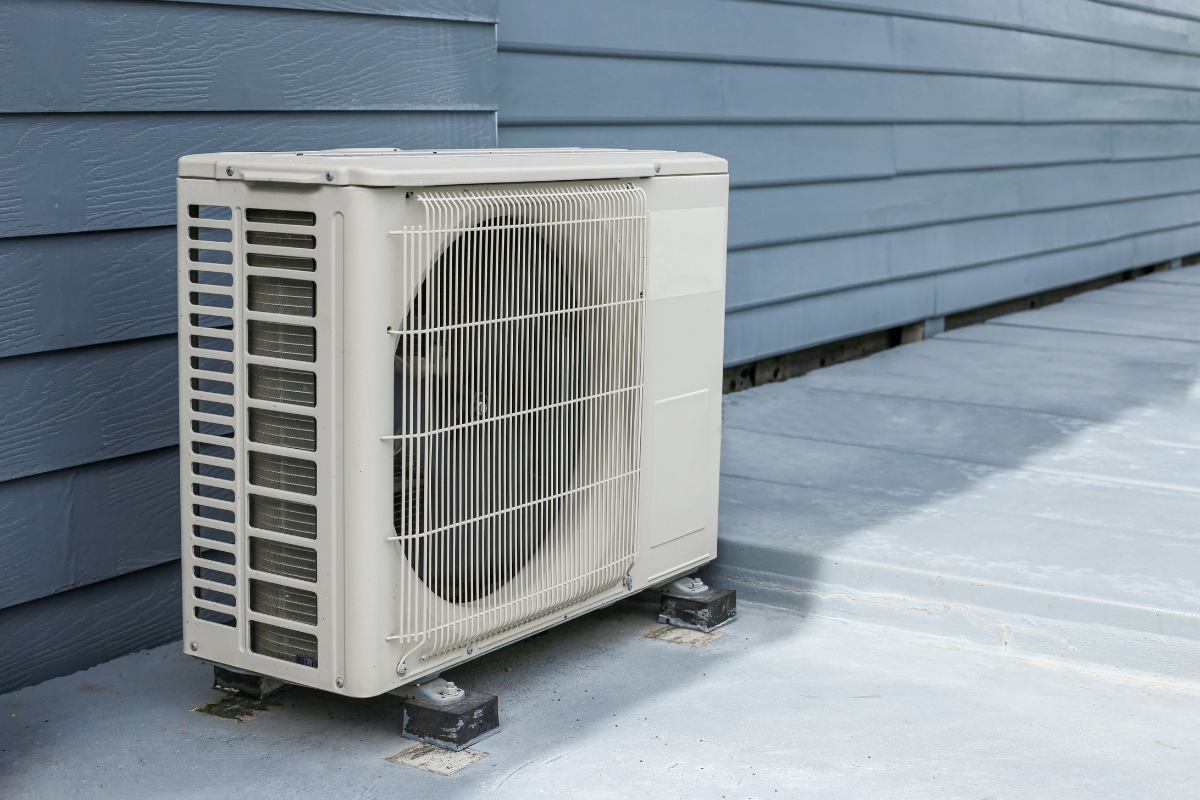
If you're considering a heat pump for your California home, one of the first questions is usually: How much is this actually going to cost?
Recent national marketplace data puts the average installed heat pump at about $15,400, but actual pricing varies substantially by system type, home, ductwork, electrical requirements, equipment, and installation complexity.
At Carmel Valley Heating & Sheet Metal, we install and service heat pumps and mini-splits throughout Monterey County. Statewide and national averages are useful for planning, but an accurate price starts with evaluating the property itself.
What Does a Heat Pump Cost in California in 2026?
There is no single heat pump price that applies to every California home. For planning purposes, recent national marketplace data puts the average installed system at about $15,400, but Monterey County projects can fall above or below that figure depending on the home and installation.
Those numbers should be treated as planning benchmarks, not quotes for a Monterey County home. A straightforward replacement using existing infrastructure can be a very different project from installing multiple mini-split zones, replacing ductwork, upgrading electrical components, or retrofitting an older property.
What Goes Into the Cost of a Heat Pump?
The final cost depends on more than the equipment itself. These are some of the biggest factors that can shape a heat pump installation in California.
| Cost Factor | What Can Affect the Price |
|---|---|
| System type | Ducted heat pump, single-zone mini-split, or multi-zone system |
| System size | Heating and cooling needs, home size, layout, and efficiency |
| Existing ductwork | Condition, sizing, sealing, repairs, or new ductwork |
| Electrical work | Existing capacity, new circuits, wiring, or required upgrades |
| Equipment & features | Efficiency level, variable-speed technology, and controls |
| Installation complexity | Equipment location, access, refrigerant lines, and home layout |
| Permits & removal | Local permitting and removal of existing HVAC equipment |
| Number of zones | Additional indoor units and controls for multi-zone systems |
The total installed cost may include:
Heat pump equipment
Indoor air handler or mini-split units
Labor and installation materials
Refrigerant lines
Thermostat or system controls
Electrical work
Ductwork modifications when needed
Permits and code requirements
Removal of existing HVAC equipment
System startup, testing, and commissioning
Two homeowners choosing similar equipment can receive very different estimates because the equipment is only one part of the installation.
What Affects Heat Pump Installation Cost?
Understanding what goes into the price is more useful than focusing on one statewide average. These are some of the biggest factors that can affect heat pump cost in California.
System Size and the Home's Heating and Cooling Needs
A larger home does not automatically need the largest available heat pump.
Equipment should be sized around the home's actual heating and cooling requirements. Square footage matters, but contractors also need to consider factors such as:
Insulation
Windows and doors
Ceiling height
Sun exposure
Air leakage
Floor plan
Local climate
How different areas of the home are used
Proper sizing affects more than the purchase price. It can influence comfort, efficiency, humidity control, equipment cycling, and long-term performance.
Buying a larger system simply because it has more capacity is not necessarily an upgrade.
Existing Ductwork
Ductwork can have a major effect on the scope of a heat pump project.
If you're replacing a central system and the existing ducts are properly sized, sealed, insulated, and in good condition, they may be able to remain in use.
If the ducts are leaking, damaged, poorly insulated, or incorrectly sized, repairs or modifications may be necessary before connecting new equipment.
A home without ducts presents another decision. Adding an entirely new duct system can increase the scope of the project, which is one reason a ductless mini-split may make more sense for some properties.
Ducted vs. Ductless Heat Pumps
The type of system you choose also affects the price.
A central ducted heat pump typically uses an indoor air handler and ductwork to distribute conditioned air throughout the home.
A ductless mini-split uses one or more indoor units connected to outdoor equipment. A single-zone system serving one room is a very different installation from a multi-zone system designed to condition several areas of a home.
If you're deciding between the two, read our guide to heat pumps vs. mini-splits for a closer look at how the systems compare.
Equipment Efficiency and Features
Not all heat pumps are built or priced the same.
Higher-efficiency equipment, variable-speed technology, advanced controls, and other features can increase the initial equipment cost. However, the most expensive system is not automatically the best system for a particular home.
Equipment selection should balance efficiency, comfort, performance, budget, and the characteristics of the property.
Electrical Requirements
Heat pumps run on electricity, so the home's electrical system must be able to support the new equipment.
Depending on the property and existing electrical setup, installation could require:
A new dedicated circuit
Wiring changes
Disconnects
Electrical upgrades
Evaluation of the existing panel
Not every heat pump installation requires major electrical work. The important thing is identifying those requirements before the project begins so they can be included in the scope and estimate.
Why Heat Pump Costs Vary Across Monterey County
A heat pump installation in Monterey County is not necessarily the same project as one elsewhere in California.
Homes throughout Carmel Valley, Carmel-by-the-Sea, Pebble Beach, Monterey, Pacific Grove, and surrounding communities vary considerably in age, construction, floor plan, and existing HVAC infrastructure.
Coastal properties also introduce environmental considerations. Outdoor HVAC equipment closer to the ocean can be exposed to moisture and salt air, making thoughtful equipment placement and ongoing maintenance particularly important.
Older homes may present different installation challenges. Some were never designed with central duct systems. Others have existing ductwork that should be evaluated before new equipment is connected.
Travel inland into Carmel Valley and the comfort requirements can change again. Warmer daytime temperatures can increase cooling demand compared with properties closer to the coast.
These differences are why an estimate based only on square footage or an online calculator can miss important details.
Does a Heat Pump Cost More Than an Air Conditioner?
A heat pump can cost more upfront than a comparable central air conditioner because it provides both heating and cooling, but the comparison depends on the equipment and what existing systems are being replaced.
A conventional central air conditioner provides cooling. A heat pump can provide both cooling and heating by reversing the refrigeration cycle.
That means comparing the price of a heat pump only against an air conditioner can be misleading if the home also needs a heating system.
If your furnace and air conditioner are both approaching replacement age, it may be more useful to compare the complete cost and functionality of your available HVAC options rather than comparing individual pieces of equipment.
This is also where the existing home matters. A homeowner replacing one failed component has a different decision from someone planning a complete heating and cooling system replacement.
Are Heat Pump Rebates Available in California in 2026?
Potential incentives can affect the net cost of a heat pump, but homeowners should verify current availability before including a rebate in their budget.
California's HEEHRA program has offered rebates of up to $8,000 for qualifying low-income households and up to $4,000 for qualifying moderate-income households installing eligible heat pump HVAC systems.
However, availability has changed.
As of February 24, 2026, TECH Clean California reports that HEEHRA single-family rebates are fully reserved statewide, and the program is no longer accepting new single-family income verification applications.
The California Energy Commission also notes that HEEHRA Phase II is not yet available and that future program availability will be announced separately.
That makes it especially important to check current incentive programs when you're actually ready to move forward. A rebate described in an older article may no longer be available, while new funding or programs may have opened.
California homeowners may also have access to other regional programs or financing depending on location and eligibility. The California Energy Commission maintains homeowner resources for finding available energy programs.
Is a More Expensive Heat Pump Worth It?
Sometimes. But price alone is not a reliable measure of whether a system is right for your home.
Higher-efficiency and variable-capacity equipment can offer advantages depending on the application. The potential value needs to be considered alongside installation quality, system sizing, the home's construction, and how you actually use the space.
A premium piece of equipment cannot compensate for a poorly designed installation.
For many homeowners, the better question is not:
What's the most efficient heat pump I can buy?
It's:
Which system is properly sized and designed for my home, and what am I getting for the additional cost?
That leads to a much more useful conversation about value.
What Should Be Included in a Heat Pump Estimate?
When comparing heat pump estimates, do not look only at the number at the bottom of the page.
Ask what the price actually includes.
A complete estimate may address:
Equipment and labor
Indoor and outdoor equipment
Removal of the old system
Duct repairs or modifications
Electrical requirements
Refrigerant lines and condensate drainage
Thermostat or controls
Permitting
Manufacturer warranties
Startup and system testing
If one estimate is substantially lower than another, compare the scope before assuming you've found a better deal.
One contractor may be pricing only an equipment replacement while another has included necessary duct, electrical, permitting, or installation work.
How Can You Get an Accurate Heat Pump Cost for Your Home?
The most accurate way to determine heat pump installation cost is to have the home and existing HVAC system evaluated in person.
A useful estimate should account for more than the model of heat pump you want to purchase. The contractor should understand the home's heating and cooling needs, inspect relevant existing equipment, evaluate ductwork when applicable, identify electrical requirements, and determine where the equipment can be installed.
For Monterey County properties, factors such as coastal exposure, older construction, unusual layouts, additions, and existing duct systems can all influence the project.
This is also the point where homeowners can compare different approaches.
For example, it may make sense to compare:
Replacing an existing ducted system with a heat pump
Repairing or modifying existing ductwork
Installing a ductless mini-split
Using multiple mini-split zones
Combining central HVAC with a mini-split for a difficult room or addition
The lowest-cost option and the best long-term option are not always the same.
Planning for the Real Cost of a Heat Pump
When researching heat pump cost in California, an average price can give you a useful starting point. It cannot tell you exactly what your own installation will cost.
System type, equipment capacity, efficiency, ductwork, electrical requirements, installation complexity, and the home itself all affect the final price. Monterey County properties add another layer of considerations, from older construction and ductless homes to coastal exposure and warmer inland conditions.
Carmel Valley Heating & Sheet Metal installs and services heat pumps and mini-splits throughout Monterey County. We evaluate the property, existing HVAC system, and comfort needs before recommending equipment and providing project-specific pricing.
Considering a heat pump for your home? Contact Carmel Valley Heating & Sheet Metal or call (831) 298-9922 to discuss your property and heat pump options.
Frequently Asked Questions About Heat Pump Costs in California
How much does a heat pump cost in California?
Heat pump costs in California vary significantly depending on the type and size of the system, equipment efficiency, existing ductwork, electrical requirements, and installation complexity. A professionally installed system can be a significant home investment, which is why an in-home evaluation provides a more useful estimate than a statewide average.
What is the biggest factor affecting heat pump installation cost?
The overall scope of the installation is often just as important as the equipment itself. System size, existing ductwork, electrical requirements, equipment location, number of zones, and any modifications needed to the home can all affect the final cost.
Is a ductless mini-split cheaper than a heat pump?
A mini-split is actually a type of heat pump in most residential applications. A single-zone mini-split may involve a smaller installation than a whole-home ducted system, while a multi-zone mini-split with several indoor units can become a much larger project. The better comparison depends on the areas of the home you need to heat and cool.
Does replacing ductwork increase heat pump installation cost?
Yes. If existing ducts need to be repaired, resized, sealed, insulated, or replaced, that work can increase the total project cost. Homes without existing ductwork may also be good candidates for ductless mini-splits, depending on the layout and comfort needs.
Are there heat pump rebates in California in 2026?
California heat pump incentive programs have changed throughout 2026, and availability depends on the specific program, funding, household eligibility, and other requirements. Homeowners should check current California Energy Commission and TECH Clean California information before assuming a particular rebate is available.
How do I get an accurate heat pump estimate in Monterey County?
An accurate estimate starts with evaluating the home, existing HVAC equipment, ductwork when applicable, electrical requirements, and heating and cooling needs. Carmel Valley Heating & Sheet Metal can evaluate Monterey County properties and recommend heat pump or mini-split options based on the actual installation requirements.
Is a heat pump worth the cost in California?
A heat pump can be a practical option for California homeowners because one system can provide both heating and cooling. Whether it makes financial sense for a particular home depends on the existing HVAC system, installation requirements, equipment choice, energy use, and how long the homeowner expects to use the system.
Ready to Get a Heat Pump Estimate?
Every home is different. Carmel Valley Heating & Sheet Metal can evaluate your property, existing HVAC system, and comfort needs to recommend the right heat pump options for your home.