
10 Signs Your HVAC System Needs Repair
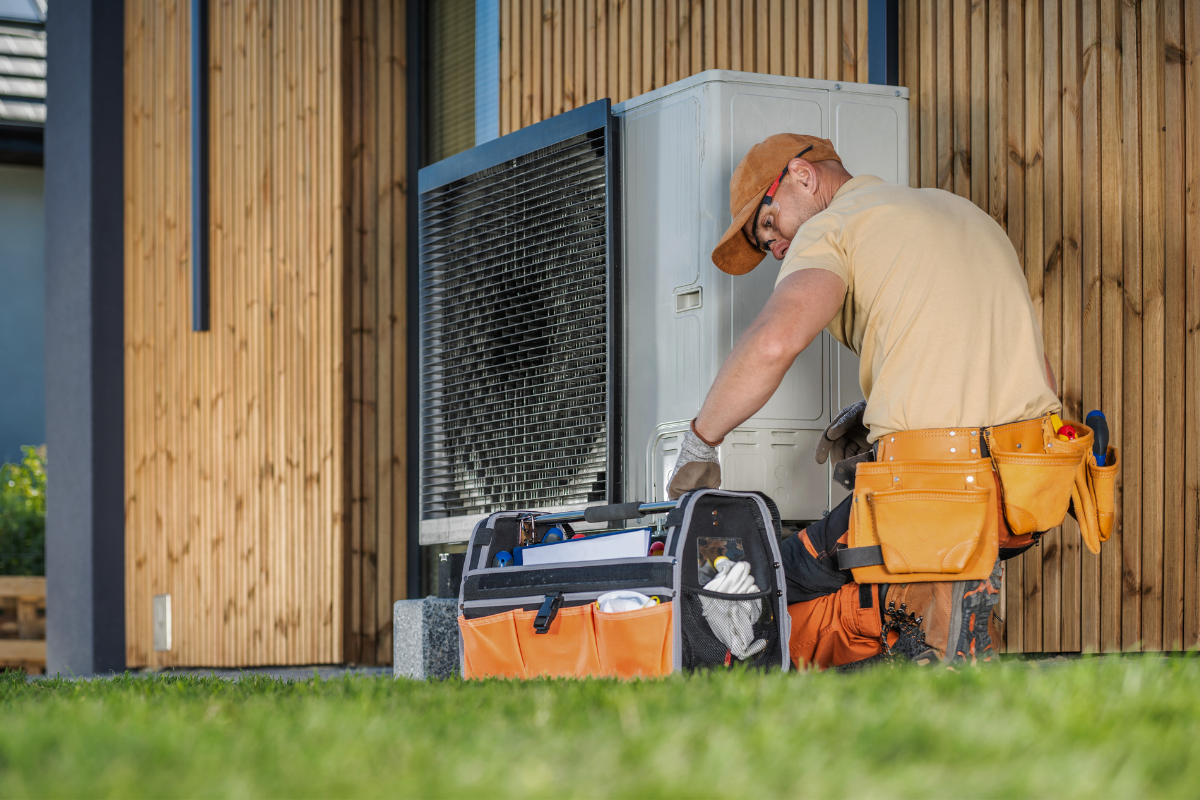
HVAC problems do not always begin with a complete system breakdown. Changes in airflow, temperature, noise, odors, cycling, or moisture can all be signs that your heating or cooling system needs attention.
Knowing the signs your HVAC needs repair can help you recognize a developing problem before you are left without heating or cooling.
At Carmel Valley Heating & Sheet Metal, we provide HVAC repair and maintenance throughout Monterey County. If your system suddenly starts operating differently than it normally does, having it evaluated can help determine whether you are dealing with routine maintenance or a repair that should be addressed.
1. Your HVAC System Is Blowing Weak Air
Weak airflow from your vents is one of the more noticeable signs that something has changed with your HVAC system.
If the system is running but very little air is reaching the rooms, possible causes can include a dirty filter, airflow restriction, blower problem, duct issue, or another system condition that needs to be diagnosed.
Start by checking an accessible air filter if your system has one. If the filter is clean and airflow remains noticeably weaker than usual, professional service may be appropriate.
Also pay attention to whether weak airflow is happening throughout the entire house or only at certain vents. A problem limited to one area may point toward a different issue than reduced airflow throughout the system.
2. Some Rooms Are Too Hot or Too Cold
A properly functioning HVAC system should be able to maintain reasonably consistent comfort throughout the areas it was designed to serve.
If one bedroom suddenly feels much warmer than the rest of the house or certain rooms never seem to reach the thermostat setting, there may be an issue with airflow, ductwork, system capacity, controls, or equipment performance.
Uneven temperatures do not always mean the HVAC equipment itself is failing. Home insulation, windows, sun exposure, room location, and duct design can also affect comfort.
The important question is whether the temperature difference is normal for your home or represents a noticeable change.
If rooms that were previously comfortable are suddenly difficult to heat or cool, the system should be evaluated.
3. You Hear New or Unusual Noises
HVAC systems make normal operating sounds. What deserves attention is a sound that is new, unusually loud, persistent, or different from what you normally hear.
That can include:
Grinding
Rattling
Buzzing
Squealing
Banging
Clicking that continues after startup
Unusual vibration
Different sounds can have different causes, so diagnosing an HVAC problem based on noise alone is difficult.
If your system suddenly sounds different, especially if the noise is getting worse, shut the equipment off if necessary and have it inspected rather than allowing an obvious mechanical problem to continue.
Common HVAC Warning Signs at a Glance
Changes in airflow, temperature, sound, cycling, or moisture can be signs that your HVAC system needs professional attention.
| WARNING SIGN | WHAT YOU MAY NOTICE |
|---|---|
| Weak airflow | Less air coming from vents or noticeably reduced circulation |
| Uneven temperatures | Rooms that are suddenly warmer or cooler than the rest of the home |
| Unusual noises | New grinding, rattling, buzzing, squealing, banging, or vibration |
| Frequent cycling | The system repeatedly starts and stops more often than usual |
| Temperature problems | The home struggles to reach or maintain the thermostat setting |
| Unusual odors | New, strong, persistent, burning, or electrical smells |
| Water or moisture | Unexpected moisture collecting around indoor HVAC equipment |
| Constant operation | The system runs for unusually long periods without reaching the set temperature |
A noticeable change from the way your HVAC system normally operates is often the most useful warning sign. Persistent or worsening symptoms should be evaluated.
4. Your HVAC System Keeps Turning On and Off
An HVAC system naturally cycles as it maintains the thermostat setting.
However, repeated short cycles, where the equipment starts and stops unusually frequently, can indicate a problem.
Short cycling can be associated with several conditions, including thermostat issues, airflow problems, improper system sizing, electrical problems, or equipment malfunctions.
It can also put additional operating stress on system components.
Do not assume frequent cycling means the system needs to be replaced. The underlying cause needs to be identified first.
If the equipment is suddenly cycling much more frequently than it used to, schedule an inspection.
5. Your Home Is Not Reaching the Thermostat Setting
If your thermostat is set to 72 degrees but the home remains considerably warmer or cooler than that setting, something may be preventing the HVAC system from meeting the home's heating or cooling demand.
Before scheduling a repair, make sure the thermostat is:
Set to the correct mode
Set to the intended temperature
Receiving power
Not displaying an obvious error or low-battery warning
If the thermostat appears to be operating normally but the HVAC system cannot maintain the desired temperature, further diagnosis may be needed.
Possible factors range from equipment problems and airflow restrictions to duct issues or a system that is struggling under current conditions.
6. You Notice Unusual Odors
A brief smell when heating equipment is first used after sitting unused for an extended period can sometimes be different from a persistent or strong odor that appears during normal operation.
Pay attention to smells that are:
New
Strong
Persistent
Burning or electrical in nature
Accompanied by smoke
Associated with another change in system operation
If you smell burning, see smoke, suspect an electrical problem, or believe there may be a gas-related issue, stop using the equipment and address the potential safety concern immediately.
Do not continue operating an HVAC system that appears to present a safety hazard.
7. There Is Water or Moisture Around the HVAC Equipment
Air conditioning systems and heat pumps produce condensation as part of normal cooling operation, but that moisture should be managed and drained appropriately.
Water collecting around indoor HVAC equipment can indicate a clogged condensate drain, drainage problem, frozen coil, or another condition that should be investigated.
Ignoring moisture can create problems beyond the HVAC system itself, particularly if water reaches nearby building materials.
Outdoor equipment will naturally be exposed to weather, so moisture around an outdoor unit is different from unexplained water collecting around indoor equipment.
If you notice new or persistent indoor moisture around your HVAC system, have the source identified.
8. Your HVAC System Runs Constantly
During periods of unusually hot or cold weather, an HVAC system may run longer than it does under mild conditions.
Constant operation becomes more concerning when the system rarely shuts off and still struggles to maintain the thermostat setting.
Possible factors can include:
Dirty filters
Airflow problems
Equipment issues
Thermostat problems
Duct leakage
Insulation or air-sealing issues
A system that is not properly matched to the home's needs
Long run times alone do not identify the cause.
However, a significant change from the way the equipment normally operates is worth investigating.
9. Your Energy Use Suddenly Changes
Energy bills naturally fluctuate with weather, utility rates, thermostat settings, occupancy, and how often the HVAC system operates.
That means a higher bill does not automatically indicate an HVAC repair is needed.
However, a sudden unexplained increase in energy use combined with other changes in system performance can be a useful warning sign.
For example, if the system is running longer, cycling more frequently, and struggling to maintain temperature at the same time energy consumption rises, it may be operating differently than it should.
The U.S. Department of Energy notes that regular maintenance is important for effective and efficient air-conditioner operation and identifies filters, coils, coil fins, and condensate drains as components requiring regular attention.
Looking at several symptoms together is usually more useful than judging the system based on one utility bill.
10. The System Is Not Heating or Cooling at All
This is the clearest sign that HVAC service may be needed.
If the equipment will not start or is running without producing the expected heating or cooling, first check basic items that are safe and accessible:
Thermostat settings
Thermostat batteries, if applicable
Whether the system has power
Circuit breakers
Accessible filters
Do not repeatedly reset breakers that continue tripping, remove equipment panels, or attempt electrical or refrigerant repairs yourself.
If the basic checks do not resolve the problem, schedule professional HVAC service.
When Should You Call for HVAC Repair?
Some HVAC changes can be monitored briefly, while others deserve prompt or immediate attention.
| WHAT'S HAPPENING | WHAT TO DO |
|---|---|
| Minor change in comfort | Check the thermostat, accessible filter, vents, and whether the system has power |
| Weak airflow or uneven temperatures | Schedule service if the problem persists or represents a noticeable change |
| Frequent cycling or constant operation | Have the system evaluated if the behavior is new or worsening |
| New mechanical noises | Schedule an inspection and consider shutting the system off if the noise is severe |
| Water around indoor equipment | Have the source identified before moisture causes additional problems |
| No heating or cooling | Check basic settings and power, then schedule professional service if the problem continues |
| Smoke, burning odor, or electrical concern | Stop using the equipment and seek immediate professional assistance |
| Suspected gas leak or carbon monoxide alarm | Leave the affected area and follow appropriate emergency procedures |
If your HVAC system is behaving differently than normal, do not wait for a complete breakdown. Safety concerns such as smoke, electrical problems, suspected gas leaks, or carbon monoxide alarms require immediate action.
When Is an HVAC Problem an Emergency?
Not every HVAC repair requires emergency service, but some situations deserve immediate attention.
Stop using the equipment and seek appropriate help if you notice conditions such as:
Smoke coming from HVAC equipment
A strong burning or electrical odor
Repeatedly tripping electrical components
Signs of overheating
Suspected gas leakage
A carbon monoxide alarm
Significant water leaking near electrical equipment
If a carbon monoxide alarm sounds or you suspect a gas leak, leave the affected area and follow the appropriate emergency procedures rather than attempting to diagnose the HVAC equipment yourself.
Safety takes priority over troubleshooting.
Should You Repair or Replace Your HVAC System?
A problem with your HVAC system does not automatically mean you need new equipment.
Many issues can be repaired.
Whether repair or replacement makes more sense depends on factors such as:
Equipment age
Overall system condition
Type of repair required
Repair history
Availability of replacement parts
Current system performance
Efficiency
Whether the equipment still meets the home's comfort needs
An older system needing one minor repair presents a different decision from equipment that requires frequent repairs and no longer maintains comfortable temperatures.
The goal should be to understand what is wrong first and then compare the reasonable options.
Can Regular Maintenance Prevent HVAC Repairs?
Maintenance cannot prevent every mechanical or electrical failure, but regular service gives a technician an opportunity to inspect equipment and identify developing conditions before they potentially become larger problems.
For many HVAC systems, professional maintenance at least once per year is a useful starting point. Heat pumps that provide both heating and cooling may benefit from more frequent attention because they operate during multiple seasons.
Our guide to how often HVAC should be serviced explains maintenance schedules for air conditioners, furnaces, heat pumps, and mini-splits in more detail.
Homeowners can also help between professional visits by keeping accessible filters clean, keeping outdoor equipment clear of vegetation and debris, and paying attention to changes in system performance.
Why Coastal Monterey County HVAC Systems Need Attention
Homes throughout Monterey County experience different HVAC conditions depending on their location.
Properties near Carmel-by-the-Sea, Pebble Beach, Monterey, Pacific Grove, and other coastal areas may expose outdoor HVAC equipment to fog, moisture, marine air, and salt.
Over time, coastal exposure can contribute to corrosion and deterioration of outdoor components.
Homes farther inland around Carmel Valley may experience warmer daytime temperatures and periods of heavier cooling demand.
Equipment placement, age, maintenance history, landscaping, and the individual property all influence how an HVAC system holds up over time.
If you live near the coast, inspecting outdoor equipment condition should be part of routineHVAC maintenance.
You can also read our guide to the best HVAC systems for coastal homes for more information about HVAC considerations in Monterey County's coastal environment.
What Should You Check Before Calling for HVAC Repair?
There are a few simple checks homeowners can make before scheduling service.
Check the thermostat to make sure it is set correctly. Look at the HVAC filter if it is safely accessible. Confirm that vents have not been closed or blocked by furniture. Check whether the system has power.
For outdoor equipment, make sure leaves, vegetation, or other debris are not obviously blocking airflow.
These basic checks can sometimes reveal a simple issue.
They should not turn into a do-it-yourself repair attempt.
Electrical components, refrigerant systems, internal mechanical parts, and combustion equipment should be inspected and repaired by qualified professionals.
Do Not Ignore Changes in How Your HVAC System Operates
The most useful HVAC warning sign is often simply that something has changed.
Maybe the system is louder. Maybe it takes longer to cool the house. Maybe one room suddenly feels uncomfortable. Maybe the equipment is cycling differently or you have noticed moisture where there was none before.
A single change does not necessarily mean a major repair is coming, but persistent or worsening symptoms deserve attention.
Addressing an HVAC problem while the system is still operating can also be much more convenient than discovering the issue when you need heating or cooling most.
Know When Your HVAC System Is Asking for Attention
Recognizing the signs your HVAC needs repair can help you respond to problems before a small change becomes a larger interruption.
Weak airflow, uneven temperatures, unusual noises, frequent cycling, thermostat problems, odors, moisture, excessive run times, unexplained energy-use changes, and a complete loss of heating or cooling are all reasons to pay closer attention to your system.
Carmel Valley Heating & Sheet Metal provides HVAC repair and maintenance throughout Carmel Valley, Carmel-by-the-Sea, Pebble Beach, Monterey, Pacific Grove, Seaside, Marina, Del Rey Oaks, Salinas, and surrounding Monterey County communities.
If your HVAC system is not operating the way it normally does, contact Carmel Valley Heating & Sheet Metal or call (831) 298-9922 to schedule service.
Frequently Asked Questions About HVAC Repair
How do I know if my HVAC system needs repair?
Common warning signs include weak airflow, uneven temperatures, unusual noises, frequent cycling, unexpected odors, moisture around indoor equipment, difficulty reaching the thermostat setting, and a complete loss of heating or cooling. A noticeable change from normal operation is often a good reason to have the system inspected.
What is the most common sign of an HVAC problem?
There is no single symptom that identifies every HVAC problem. Changes in airflow, temperature, noise, cycling, and system performance are among the most noticeable warning signs. The cause should be diagnosed rather than assumed from one symptom.
Should I turn off my HVAC system if it is making a strange noise?
If the noise is loud, new, worsening, or sounds mechanical or electrical, turning the system off until it can be evaluated may help prevent additional damage. Smoke, burning odors, electrical problems, or other potential safety hazards require more immediate attention.
Why is my HVAC running but not cooling the house?
Possible causes include thermostat settings, restricted airflow, dirty components, refrigerant-related problems, equipment issues, duct problems, or conditions that exceed the system's capacity. A technician can diagnose the specific cause.
Why does my HVAC keep turning on and off?
Frequent short cycling can have several causes, including thermostat issues, airflow restrictions, equipment problems, electrical conditions, or improper system sizing. If cycling has changed noticeably, the system should be evaluated.
Is water around my air conditioner normal?
Air conditioners produce condensation, but it should drain through the system as designed. Persistent or unexpected water around indoor HVAC equipment can indicate a condensate drainage problem, frozen coil, or another issue that needs attention.
Is it better to repair or replace an HVAC system?
It depends on the equipment's age, condition, repair history, cost of the current repair, parts availability, efficiency, and overall performance. A professional diagnosis should come before deciding whether replacement makes more sense.
Can HVAC maintenance reduce the need for repairs?
Regular maintenance cannot prevent every failure, but it can help identify developing issues and keep components clean and operating as intended. Maintenance is also an opportunity to address minor problems before they potentially become larger repairs.
Is Your HVAC System Showing Warning Signs?
Changes in airflow, temperature, noise, cycling, or overall performance can indicate that your heating or cooling system needs attention. Carmel Valley Heating & Sheet Metal can inspect your equipment, identify the problem, and recommend the appropriate repair for your home.