
How Long Do Heat Pumps Last in California?
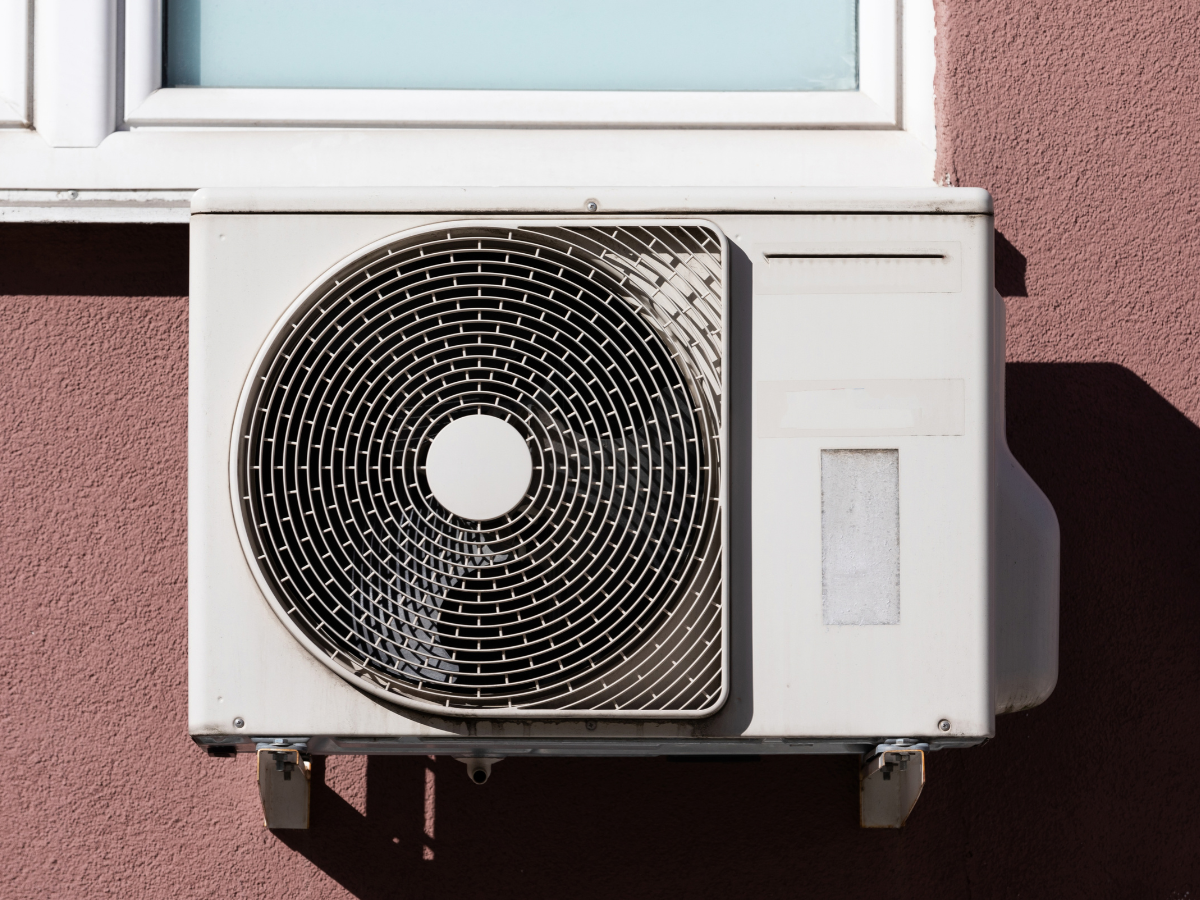
If you are considering a heat pump or already have one in your home, one of the biggest questions is often: How long will it actually last?
For residential air-source heat pumps, about 15 years is a useful planning estimate, although the actual lifespan can be shorter or longer depending on the equipment, installation quality, maintenance, how often the system operates, and the conditions around the home.
At Carmel Valley Heating & Sheet Metal, we install, repair, and maintain heat pumps and mini-splits throughout Monterey County. For local homeowners, heat pump lifespan can also be influenced by coastal exposure, equipment placement, year-round use, and how well the system is maintained.
How Long Does a Heat Pump Last?
A residential air-source heat pump will often provide roughly 15 years of service, but age alone does not tell you when a system needs to be replaced.
Two identical heat pumps installed in different homes may not age at the same rate.
Factors that can affect heat pump lifespan include:
Installation quality
Proper system sizing
Equipment quality
Operating hours
Maintenance history
Airflow
Filter condition
Refrigerant charge
Electrical conditions
Indoor and outdoor coil condition
Coastal salt and moisture exposure
Whether the outdoor unit has adequate airflow
How heavily the system is used throughout the year
A heat pump that is properly selected, installed, and maintained may continue operating beyond the average planning life. Another system may require major repairs or replacement sooner.
That is why the condition and performance of the equipment matter just as much as the number on its installation date.
Heat Pump Lifespan at a Glance
About 15 years is a useful planning estimate, but the lifespan of an individual heat pump depends on how it is installed, maintained, used, and exposed to local conditions.
| Factor | What It Means for Heat Pump Life |
|---|---|
| Typical lifespan | About 15 years is a useful planning estimate for many residential air-source heat pumps |
| Installation | Proper sizing, airflow, refrigerant charge, electrical setup, and commissioning can affect long-term performance |
| Maintenance | Routine service can identify developing problems and help the equipment continue operating as intended |
| System usage | Heat pumps provide both heating and cooling, so operating hours can vary considerably from one home to another |
| Airflow | Dirty filters, blocked airflow, and other restrictions can place additional stress on the system |
| Coastal exposure | Salt, moisture, and marine air can contribute to corrosion of outdoor components over time |
| Repair history | Frequent repairs or major component problems can become more important when deciding whether an older system is worth keeping |
| Replacement timing | Age should be considered together with performance, repair needs, comfort, efficiency, and overall equipment condition |
Why Heat Pumps Can Experience More Year-Round Use
One important difference between a heat pump and some traditional HVAC systems is how often the equipment may operate.
A conventional air conditioner handles cooling while a furnace may provide heating. Each piece of equipment has its own primary operating season.
A heat pump can perform both heating and cooling.
During cooler weather, it transfers heat into the home. During warmer weather, the refrigeration cycle reverses and the system removes heat from the house.
That means the same heat pump can operate throughout much of the year.
This does not mean heat pumps inherently wear out unusually quickly. It simply makes proper sizing, installation, maintenance, and system operation especially important.
If you are deciding whether a heat pump makes sense for your property, our guide to heat pumps vs. mini-splits explains how different heat pump configurations compare.
Does Regular Maintenance Help a Heat Pump Last Longer?
Maintenance cannot guarantee that a heat pump will reach a certain age, but it can help equipment operate as intended and identify developing problems before they become larger repairs.
Professional heat pump maintenance may include checking:
Thermostat operation
Electrical connections
System controls
Airflow
Filters
Indoor and outdoor coils
Refrigerant-related performance
Blower components
Outdoor equipment condition
Ductwork when applicable
Overall heating and cooling operation
Homeowners should also keep accessible filters clean and make sure leaves, vegetation, and other debris are not blocking the outdoor equipment.
Because heat pumps can provide both heating and cooling, many systems may benefit from attention before both major operating seasons.
Our guide to how often HVAC should be serviced explains maintenance timing for heat pumps, air conditioners, furnaces, and mini-splits in more detail.
Does the California Climate Affect Heat Pump Lifespan?
California does not have one uniform HVAC climate.
A heat pump in a coastal Monterey County home can experience very different operating conditions from equipment serving a home farther inland.
Properties near Carmel-by-the-Sea, Pebble Beach, Monterey, Pacific Grove, and other coastal communities may expose outdoor equipment to:
Marine air
Salt
Fog
Moisture
Wind
Vegetation
Airborne debris
Salt and moisture can contribute to corrosion of exposed outdoor components over time.
Equipment placement becomes particularly important in these environments. The outdoor unit needs adequate airflow and access for service while also being positioned thoughtfully around the specific conditions of the property.
Farther inland toward Carmel Valley, salt exposure may be less significant, but warmer daytime temperatures can create heavier cooling demand during parts of the year.
Neither environment automatically determines how long a heat pump will last.
The home's microclimate, installation, equipment location, maintenance history, and operating demands all matter.
Our guide to the best HVAC systems for coastal homes takes a closer look at these Monterey County considerations.
Does a Mini-Split Last as Long as a Ducted Heat Pump?
Most ductless mini-splits use heat pump technology, so the same basic factors that influence a ducted heat pump's lifespan also matter for a mini-split.
These include:
Equipment quality
Proper sizing
Installation
Maintenance
Operating hours
Outdoor exposure
Electrical conditions
Coil cleanliness
Refrigerant system condition
The equipment configurations are different, however.
A ducted heat pump typically works with an indoor air handler and a central duct system.
A mini-split uses one or more indoor units connected to outdoor equipment. A multi-zone system may therefore have several indoor components that need to be maintained and monitored.
Neither configuration automatically lasts longer simply because it is ducted or ductless.
The quality of the system design and the conditions in which it operates are more useful considerations.
Can Poor Installation Shorten Heat Pump Life?
Yes. The equipment itself is only one part of a heat pump system.
A heat pump that is incorrectly sized or poorly installed may experience operating problems even if the equipment is relatively new.
Important installation considerations include:
Correct equipment sizing
Proper refrigerant charge
Adequate airflow
Appropriate electrical installation
Correct drainage
Proper duct design where applicable
Suitable indoor and outdoor equipment placement
Manufacturer-required clearances
Proper commissioning and startup
Buying higher-end equipment does not compensate for poor system design.
Installation quality can have a major influence on how the equipment performs throughout its life.
What Are the Signs an Older Heat Pump May Need Replacement?
A heat pump reaching 10, 12, or 15 years old does not automatically need to be replaced.
Age becomes more meaningful when it is considered alongside performance and repair history.
Signs an aging heat pump deserves closer evaluation can include:
Increasingly frequent repairs
Difficulty heating or cooling the home
Uneven temperatures
Weak airflow
Frequent cycling
Unusual noises
Long operating times
Increasing energy use without an obvious explanation
Deterioration or corrosion of outdoor equipment
Replacement parts becoming difficult to obtain
A major component failure
One symptom does not automatically mean replacement is necessary.
The goal is to understand what is wrong, the condition of the rest of the equipment, and whether repairing the system still makes financial and practical sense.
If your heat pump has started operating differently, review our guide to signs your HVAC system needs repair.
Should You Replace a Heat Pump Just Because It Is 10 Years Old?
Not necessarily.
A 10-year-old system that is operating reliably, maintaining comfort, and not requiring repeated repairs may have useful service life remaining.
On the other hand, age becomes increasingly relevant when the system needs a major repair.
For example, homeowners may want to compare repair and replacement options when an older heat pump has:
A significant component failure
Multiple recent repairs
Declining performance
Increasing operating costs
Extensive corrosion
Problems that affect comfort throughout the home
Ten years can be a useful point to start paying closer attention to condition and repair history, but it is not an automatic expiration date.
Is It Better to Repair or Replace an Older Heat Pump?
There is no single age when replacement automatically becomes the better choice.
The decision should consider:
Age of the equipment
Current repair needed
Cost of the repair
Overall system condition
Previous repair history
Availability of replacement parts
Equipment efficiency
Comfort performance
Condition of the ductwork
Whether the system is properly sized
Plans for the home
Cost of replacement
A relatively minor repair on an otherwise reliable system presents a very different decision from a major component failure on equipment that has already needed several recent repairs.
If replacement is being considered, it is also useful to evaluate the entire installation rather than simply replacing the outdoor unit with similar equipment.
Existing ductwork, electrical requirements, system sizing, equipment location, and the home's current heating and cooling needs should all be considered.
For budgeting considerations, see our guide to heat pump costs in California.
How Can You Help a Heat Pump Last as Long as Possible?
Homeowners cannot prevent every equipment failure, but basic HVAC care can help avoid unnecessary operating stress.
A few useful habits include:
Follow the manufacturer's maintenance recommendations
Schedule professional maintenance as appropriate for the system
Inspect filters regularly
Clean or replace filters when needed
Keep outdoor equipment clear of vegetation and debris
Avoid blocking indoor supply or return airflow
Pay attention to new noises, odors, or performance changes
Address water or drainage problems promptly
Have unusual cycling or airflow changes evaluated
Keep coastal exposure in mind when inspecting outdoor equipment
Most importantly, do not ignore a system that suddenly starts operating differently.
A developing problem may be easier to address before it causes additional damage or leaves the home without heating or cooling.
Planning for the Life of Your Heat Pump
So, how long do heat pumps last?
For a residential air-source heat pump, about 15 years is a useful average planning estimate, but there is no fixed expiration date.
Installation quality, maintenance, operating hours, system sizing, equipment condition, and environmental exposure can all influence the actual lifespan.
For Monterey County homeowners, coastal salt and moisture exposure can add another consideration, particularly for outdoor equipment near Carmel-by-the-Sea, Pebble Beach, Monterey, Pacific Grove, and other communities close to the ocean.
The best approach is to maintain the equipment, watch for changes in operation, and evaluate repair and replacement decisions based on the condition of the actual system rather than age alone.
Carmel Valley Heating & Sheet Metal installs, repairs, and maintains heat pumps and mini-splits throughout Monterey County.
Considering a new heat pump or wondering whether your current system is approaching replacement? Contact Carmel Valley Heating & Sheet Metal or call (831) 298-9922 to discuss your system and options.
Frequently Asked Questions About Heat Pump Lifespan
How many years does a heat pump usually last?
About 15 years is a useful average planning estimate for a residential air-source heat pump. Actual lifespan varies based on installation quality, maintenance, operating conditions, system usage, equipment quality, and environmental exposure.
Can a heat pump last 20 years?
Some heat pumps may continue operating beyond the typical planning lifespan, but age alone does not determine system condition. Maintenance history, installation quality, usage, repairs, and individual component wear all affect how long a particular system remains practical to operate.
Should I replace a 10-year-old heat pump?
Not automatically. A properly operating 10-year-old system may still have useful service life remaining. Age becomes more important when the system also has frequent repairs, declining performance, increasing operating costs, or a significant component failure.
Does regular maintenance extend heat pump life?
Regular maintenance cannot guarantee a particular lifespan, but it can help keep the system operating properly and identify airflow, electrical, drainage, coil, refrigerant, and other problems before they potentially contribute to larger failures.
Do heat pumps wear out faster because they run all year?
Heat pumps can provide both heating and cooling, so the same equipment may operate during multiple seasons. Actual wear depends on operating hours, system sizing, maintenance, installation quality, climate, and equipment condition rather than year-round capability alone.
Does coastal air shorten heat pump lifespan?
Salt and moisture in coastal air can contribute to corrosion of outdoor HVAC components over time. The degree of exposure varies based on distance from the ocean, prevailing winds, landscaping, equipment placement, maintenance, and other property-specific conditions.
How do I know if my heat pump is nearing the end of its life?
Frequent repairs, declining heating or cooling performance, increased operating time, unusual noises, repeated cycling, rising energy use, corrosion, or a major component failure can all be reasons to evaluate an older system. Age should be considered together with the system's condition and repair history.
Is it worth repairing an older heat pump?
It depends on the repair, equipment age, overall condition, previous repair history, parts availability, efficiency, and replacement cost. A smaller repair on an otherwise reliable system may make sense, while a major repair on aging equipment may justify comparing replacement options.
Is Your Heat Pump Getting Older?
Heat pump age is only one part of the picture. Carmel Valley Heating & Sheet Metal can evaluate your equipment, performance, repair history, and home to help determine whether continued repair or replacement makes sense.