
Why Are My Gutters Overflowing During Heavy Rain?
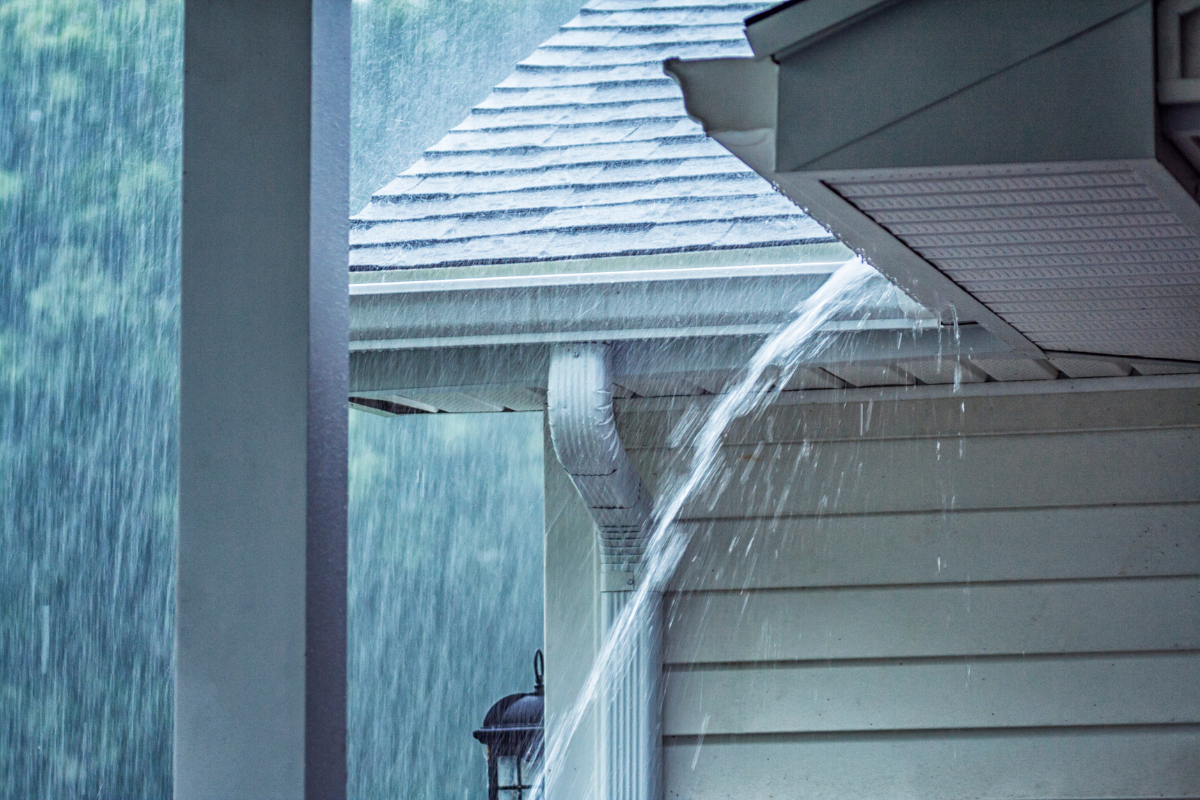
When heavy rain hits Monterey County, your gutters should collect water from the roof and direct it safely away from your home. But if water starts spilling over the sides, running down exterior walls, or pooling near the foundation, something may be preventing your gutter system from working properly.
At Carmel Valley Heating & Sheet Metal, we help homeowners throughout Carmel Valley, Monterey, Pebble Beach, and surrounding Monterey County communities address gutter and drainage problems. Gutters overflowing during heavy rain can be caused by clogged downspouts, improper gutter slope, undersized drainage systems, or damaged components. Knowing what to look for can help you prevent water damage and determine whether your gutters need cleaning, repair, or replacement.
Why Do Gutters Overflow When It Rains Hard?
Gutters overflow when rainwater enters the system faster than it can drain away or when something blocks the water's path. Leaves, roof debris, clogged downspouts, poor gutter alignment, and inadequate drainage capacity can all cause water to spill over the edges.
During heavy rain, water flows rapidly from the roof into the gutters. A properly designed system directs that runoff through the downspouts and away from the building.
However, when debris restricts the flow or the gutters cannot handle the amount of water coming off the roof, overflow can occur.
The location and timing of the overflow often provide clues about the underlying problem.
For example:
Water overflowing near a downspout may indicate a blockage in the outlet or downspout.
Water spilling over the middle of a gutter may suggest debris buildup, sagging, or improper slope.
Overflow along an entire roofline may indicate undersized gutters or insufficient downspout capacity.
Water running behind the gutter may point to improper installation, loose fasteners, or flashing problems.
Identifying where the water escapes is an important first step toward finding the right solution.
Why Gutters Overflow: 9 Common Causes
Overflowing gutters can result from blockages, poor drainage, or installation problems. These common warning signs can help you understand what may be causing the overflow and how to address it.
| Possible Cause | What It Means and How to Fix It |
|---|---|
| Leaves, pine needles, and debris | Accumulated debris restricts water flow through the gutter channels. Cleaning the gutters and removing buildup can help restore proper drainage. |
| Clogged downspouts | Blockages prevent collected water from draining away, causing it to back up and overflow. Downspouts may need professional clearing or flushing. |
| Undersized gutters | Gutters that are too small for the roof's drainage area may overflow during intense rainfall. Larger gutters or improved drainage capacity may be necessary. |
| Incorrect gutter slope | Gutters that are too level or slope away from the downspout can trap water. Adjusting the gutter alignment may restore proper drainage. |
| Sagging or loose gutters | Damaged hangers, deteriorating fascia, or poor mounting can create low spots where water collects. Repairs may involve replacing supports or realigning gutter sections. |
| Too few downspouts | Insufficient outlets can prevent gutters from draining quickly enough. Adding downspouts or improving their placement may increase drainage capacity. |
| Concentrated roof valley runoff | Water flowing from multiple roof sections can overwhelm one gutter location. Adjusting gutter placement, increasing capacity, or installing an appropriate splash guard may help. |
| Gutter guards restricting flow | Debris-covered or unsuitable gutter guards may cause rainwater to flow over the top. Cleaning, adjustment, or a different guard design may improve drainage. |
| Improper gutter installation | Incorrect positioning, slope, support, or outlet placement can cause repeated overflow. Professional inspection can determine whether adjustments, repairs, or replacement are needed. |
Carmel Valley Heating & Sheet Metal | Monterey County
1. Leaves, Pine Needles, and Debris Are Clogging Your Gutters
One of the most common reasons gutters overflow during heavy rain is accumulated debris.
Leaves, pine needles, twigs, dirt, and roofing granules can collect inside gutter channels. As this material builds up, it reduces the space available for rainwater to flow.
During a light shower, water may still drain through the remaining openings. When rainfall becomes heavier, the restricted gutter cannot move water quickly enough, causing it to spill over the sides.
Why Debris Is a Concern in Monterey County
Homes throughout Carmel Valley, Pebble Beach, Pacific Grove, and other Monterey County communities may be surrounded by mature trees and landscaping.
Pine needles, leaves, and windblown debris can accumulate on roofs and enter gutters, especially during windy conditions.
When this material becomes wet, it can form dense clumps that restrict drainage.
Signs Your Gutters Are Clogged
Look for:
Water spilling over the front edge during rainfall
Leaves or pine needles visible above the gutter opening
Plants or weeds growing inside gutters
Water remaining in the gutter after rain stops
Staining or streaks along exterior siding
Debris collecting near downspout openings
How to Fix Clogged Gutters
Removing accumulated debris and flushing the gutter channels can restore proper water flow when the system is otherwise in good condition.
A complete cleaning should also include checking the downspouts, since removing leaves from the visible gutter channel will not solve a blockage farther down the drainage system.
For gutters that are difficult to access or located above multiple stories, professional cleaning is the safer option.
Homeowners can also schedule professional gutter cleaning and gutter guard services in Monterey County to address recurring debris buildup and drainage problems.
2. Your Downspouts Are Blocked
Even when the gutter channels appear clean, a clogged downspout can cause rainwater to back up and overflow.
Downspouts carry collected water from the gutters down toward the ground or into an appropriate drainage system.
If leaves, pine needles, roof debris, or sediment become trapped inside a downspout, water may accumulate in the gutter instead of draining away.
Signs of a Clogged Downspout
Water overflows near the downspout connection.
Little or no water exits the bottom of the downspout during rain.
Water backs up at the gutter outlet.
The downspout makes unusual gurgling sounds.
Water drains slowly after the rain stops.
A blockage can occur near the top opening, inside an elbow, or farther down the pipe.
How to Fix a Blocked Downspout
A professional gutter cleaning service can inspect and clear the obstruction using appropriate tools and water flushing.
If the downspout connects to an underground drain, the blockage may be located farther into the drainage system.
In that situation, cleaning the visible downspout alone may not resolve the problem.
Important: Avoid forcing tools into downspouts or using excessive water pressure, which can damage joints or push debris farther into the system.
3. Your Gutters Are Too Small for Heavy Rainfall
Not every overflowing gutter is clogged.
Sometimes, the gutter system simply cannot handle the amount of rainwater flowing off the roof.
Gutter capacity depends on several factors, including:
Roof size and drainage area
Roof pitch
Gutter width and profile
Number and size of downspouts
Downspout placement
Rainfall intensity
A large or steep roof can direct substantial amounts of water into a relatively small section of gutter.
During intense storms, an undersized system may overflow even when the gutters and downspouts are completely clear.
Are 5-Inch Gutters Big Enough?
Five-inch gutters are common on residential properties, but they are not the best fit for every roof.
Some homes benefit from larger six-inch gutters, additional downspouts, or a redesigned drainage layout.
The appropriate size depends on the roof's drainage area and the rainfall intensity the system is designed to handle.
A professional gutter assessment can determine whether your existing gutters have enough capacity or whether an upgrade would improve performance.
4. Your Gutters Have the Wrong Slope
Gutters need a slight, consistent slope toward their downspouts so rainwater can drain efficiently.
If a gutter is installed too level, water may collect in the channel instead of flowing toward the outlet.
If the slope runs in the wrong direction, water can accumulate at the opposite end.
During heavy rainfall, these drainage problems become more noticeable because water enters the system faster than it can escape.
Signs of Improper Gutter Slope
Standing water remains after a storm.
Water pools in one section of the gutter.
Overflow occurs at the end farthest from the downspout.
Certain sections drain much more slowly than others.
Water spills over despite the gutters being clean.
Can Gutter Slope Be Corrected?
In some cases, an existing gutter can be adjusted by repositioning its hangers or mounting points.
However, severely misaligned gutters, damaged fascia boards, or improperly designed drainage layouts may require more extensive repairs.
A professional inspection can determine whether the gutter needs realignment or replacement.
5. Your Gutters Are Sagging or Pulling Away From the House
Gutters rely on properly installed hangers and secure attachment points to maintain their shape and alignment.
Over time, gutter sections may sag or pull away from the fascia because of:
Loose or damaged hangers
Deteriorating fascia boards
Heavy debris accumulation
Repeated water pooling
Improper installation
Physical damage from branches or storms
When a gutter sags, water can collect in the low section and overflow before reaching the downspout.
Gutters that pull away from the roofline may also allow water to pass behind the gutter instead of entering the channel.
Signs Your Gutters Need Repair
Watch for visible gaps between the gutter and fascia, uneven gutter lines, loose fasteners, or water dripping behind the system.
These problems should be addressed before they cause additional damage to fascia boards, siding, or other exterior materials.
If the gutter itself is still in good condition, replacing hangers or correcting the mounting may be sufficient.
When the system is severely damaged or repeatedly failing, replacement may be the more practical solution.
6. You Do Not Have Enough Downspouts
Gutter size is only one part of a properly designed drainage system.
Even a large gutter can overflow if it does not have enough downspouts to move collected water away from the roofline.
For example, a long gutter run with only one downspout may struggle to drain during intense rainfall.
The problem becomes more noticeable when multiple roof sections direct runoff into the same gutter.
How Many Downspouts Does a House Need?
There is no single number that works for every home.
The appropriate number depends on the roof's drainage area, gutter dimensions, rainfall intensity, and the location of valleys or concentrated runoff.
Some properties may benefit from additional downspouts or changes to existing outlet locations.
The U.S. Department of Energy's guidance on gutters and downspouts emphasizes the importance of directing roof runoff away from a building's foundation.
A professional can evaluate the system and recommend improvements based on the home's roof design and drainage needs.
7. Roof Valleys Are Sending Too Much Water Into One Spot
Roof valleys are the areas where two sloping roof sections meet.
During rainstorms, water from both roof surfaces can converge and flow rapidly toward a relatively small section of gutter.
This concentrated runoff can overshoot the gutter opening or overwhelm the section directly beneath the valley.
Signs of Roof Valley Overflow
Water pours over the gutter directly below a roof valley.
The rest of the gutter system appears to drain normally.
Overflow happens mainly during intense rain.
Water shoots past the gutter rather than collecting inside it.
How to Address Concentrated Roof Runoff
Possible solutions may include adjusting gutter placement, increasing gutter capacity, improving downspout drainage, or installing an appropriately designed splash guard.
The best approach depends on the roof configuration and the direction of the runoff.
A splash guard should not be treated as a universal solution. If installed incorrectly, it can redirect water toward roofing materials or areas that were not designed to receive it.
8. Your Gutter Guards Are Restricting Water Flow
Gutter guards are designed to reduce the amount of debris entering the gutter system.
However, they do not eliminate every drainage problem.
Certain gutter guard designs can become covered with leaves, pine needles, or other material. During heavy rainfall, water may flow over the guard instead of passing through it.
This can be especially noticeable where runoff is concentrated or where the guard is not suited to the roof's drainage conditions.
Signs Your Gutter Guards May Be Contributing to Overflow
Water runs over the top of the guards during storms.
Debris accumulates across the guard surface.
Overflow occurs even though the gutters were recently cleaned.
Water overshoots the gutter beneath roof valleys.
Drainage improves after debris is removed from the guard surface.
Should You Remove Your Gutter Guards?
Not necessarily.
Some problems can be resolved through cleaning, adjustment, or repair.
Other situations may require a different guard design or changes to the gutter system itself.
The important thing is to identify whether the problem involves debris, the guard's design, gutter capacity, or installation.
If you are considering installing or replacing guards, our article Are Gutter Guards Worth It in Monterey County? explains their benefits, limitations, and maintenance considerations.
9. Your Gutters Were Installed Incorrectly
Gutter installation involves more than attaching metal channels to the roofline.
The system must be positioned and secured so that runoff enters the gutter, flows toward the outlets, and drains away from the building.
Installation problems may include:
Gutters positioned too low beneath the roof edge
Incorrect slope toward the downspouts
Insufficient support or hanger spacing
Improperly located downspout outlets
Gaps between the roof edge and gutter
Inadequate gutter sizing
Poorly sealed joints or connections
Some installation problems may remain unnoticed during light rain but become obvious during heavier storms.
How Do You Know if Your Gutters Were Installed Wrong?
If your gutters overflow despite being clean and properly maintained, installation or drainage design should be evaluated.
A professional inspection can help identify whether adjustments, repairs, or replacement are needed.
Why Do My Gutters Overflow Only During Heavy Rain?
If your gutters work during light rain but overflow during a downpour, the problem often involves drainage capacity or a partial obstruction.
A partially clogged gutter may move enough water during a small shower but struggle when runoff increases.
Similarly, an undersized gutter or insufficient number of downspouts may function normally under moderate conditions but become overwhelmed during intense rainfall.
Other possible explanations include:
Water concentrating beneath roof valleys
Gutter guards that cannot handle rapid runoff
Sagging sections that slow drainage
Downspout outlets that are partially obstructed
Water overshooting the gutter because of its position beneath the roof edge
The key question is whether water is backing up inside the gutter or missing the gutter entirely.
Water backing up usually points toward a blockage, slope problem, or insufficient drainage capacity.
Water overshooting the gutter may indicate concentrated roof runoff, improper placement, or a gutter guard issue.
Understanding this difference can help narrow down the cause.
What Happens if Your Gutters Keep Overflowing?
Repeated gutter overflow can lead to problems beyond wet siding or puddles near the house.
Gutters are intended to control roof runoff and direct it away from areas where uncontrolled water can cause damage.
Foundation and Drainage Problems
When water repeatedly falls near the foundation, it can saturate the surrounding soil and contribute to drainage problems.
Depending on the property's grading and construction, excess water may increase the risk of moisture intrusion into crawlspaces or other vulnerable areas.
The U.S. Environmental Protection Agency provides guidance on controlling moisture around homes, including addressing sources of unwanted water to help prevent moisture-related problems.
Fascia and Wood Rot
Water flowing behind the gutters can expose fascia boards, soffits, and other wood components to repeated moisture.
Over time, this can contribute to deterioration, peeling paint, and the need for repairs.
Exterior Staining and Siding Damage
Overflowing water can carry dirt and debris down exterior walls, leaving stains and encouraging moisture buildup.
Landscaping Erosion
Water spilling from the roofline can wash away mulch, displace soil, and damage planting beds.
Walkway and Entryway Hazards
Overflowing gutters can create puddles around entrances, walkways, and patios.
During storms, these areas may become slippery or difficult to use safely.
Addressing the underlying drainage problem helps protect both the gutter system and the surrounding property.
How to Stop Gutters From Overflowing During Heavy Rain
The right solution depends on why the gutters are overflowing.
Cleaning may be enough for a simple blockage, while repeated overflow caused by poor slope, insufficient capacity, or damaged components may require repairs or replacement.
1. Identify Where the Water Is Overflowing
Observe the gutter system from a safe location during rainfall.
Look for water spilling near downspouts, along the middle of the gutter, behind the fascia, or directly beneath roof valleys.
Do not climb ladders or attempt gutter repairs during storms.
2. Check for Visible Debris
From the ground, look for leaves, branches, or other material collecting near the gutter openings.
Visible debris may indicate that cleaning is necessary.
3. Have the Gutters and Downspouts Cleaned
Removing debris from both the gutter channels and downspouts can restore drainage when blockages are the cause.
A professional cleaning should also include checking that water flows through the system properly.
For homeowners preparing for seasonal storms, our article Why You Should Clean Your Gutters Before the Rainy Season in Monterey County covers the importance of preventive cleaning and inspection.
4. Inspect the Gutter Alignment
Sagging sections, standing water, and visible gaps along the roofline may indicate problems with the gutter slope or mounting.
These conditions may require adjustment or repair.
5. Evaluate Gutter and Downspout Capacity
If clean, properly aligned gutters still overflow during heavy rainfall, the system may need additional drainage capacity.
Depending on the property, this could involve larger gutters, additional downspouts, or changes to the existing layout.
6. Consider Gutter Guards Where Appropriate
Gutter guards may help reduce debris buildup on properties surrounded by trees.
However, they must be selected and installed with the home's roof design and drainage requirements in mind.
Gutter guards still require periodic inspection and maintenance.
7. Repair or Replace Damaged Gutters
Loose hangers, leaking connections, deteriorating sections, and improper mounting can interfere with drainage.
Repairs may restore performance when the damage is limited.
More extensive deterioration or an incorrectly sized system may justify replacement.
Should You Repair or Replace Overflowing Gutters?
Not every overflowing gutter system needs to be replaced.
If the gutters are structurally sound and the problem involves debris, a loose hanger, or a minor alignment issue, cleaning or repair may be sufficient.
However, replacement may be worth considering when:
Gutters repeatedly overflow despite cleaning.
Sections are severely bent, sagging, or pulling away.
Corrosion or deterioration affects multiple areas.
The existing gutters are too small for the roof.
The drainage layout cannot adequately handle runoff.
Repeated repairs are becoming costly.
Water regularly escapes behind the gutters or near the foundation.
For homeowners planning an upgrade, professionally sized and installed gutters can improve drainage performance and help reduce recurring overflow problems.
Seamless gutters are another option worth considering. Because they are formed in continuous lengths for each gutter run, they have fewer intermediate joints than traditional sectional gutters.
However, seamless construction alone does not prevent overflow. Proper sizing, slope, downspout placement, and ongoing maintenance remain essential.
If you are considering a gutter upgrade, Carmel Valley Heating & Sheet Metal provides gutter installation, repair, replacement, and custom gutter solutions. You can contact our team to discuss your property's drainage needs.
Frequently Asked Questions About Gutters Overflowing During Heavy Rain
1. Why are my gutters overflowing even though they are clean?
Clean gutters can still overflow if they are too small, improperly sloped, sagging, or connected to insufficient downspouts. Concentrated runoff from roof valleys and improperly positioned gutters can also cause water to spill over the edges.
2. Is it normal for gutters to overflow during heavy rain?
Occasional overflow can occur during rainfall that exceeds a gutter system's design capacity, but repeated overflow should not be ignored. Properly sized, installed, and maintained gutters should handle the rainfall conditions they were designed for.
3. Can clogged downspouts cause gutters to overflow?
Yes. When a downspout becomes blocked, water cannot drain efficiently from the gutter. As the channel fills, water may spill over the sides, particularly during heavy rain.
4. Will larger gutters stop overflowing?
Larger gutters may help when the existing system lacks sufficient capacity. However, upgrading the gutter width will not necessarily solve problems caused by clogged downspouts, improper slope, or inadequate outlet placement. The entire drainage system should be evaluated.
5. Why does water overflow behind my gutters?
Water running behind gutters may indicate loose mounting, improper positioning beneath the roof edge, damaged flashing, or deteriorating fascia boards. A professional inspection can identify where the water is entering and whether repairs are needed.
6. Do gutter guards prevent overflowing gutters?
Gutter guards can reduce debris entering the system, but they do not guarantee that gutters will never overflow. Guards can become covered with debris, and some designs may struggle with concentrated runoff during intense rainfall.
7. How often should gutters be cleaned in Monterey County?
Many homes benefit from gutter cleaning at least twice a year, but properties surrounded by trees or exposed to frequent debris may need additional attention. Gutters should also be inspected before the rainy season and after significant storms when conditions allow.
8. Can overflowing gutters damage a home's foundation?
Yes. Repeated overflow can concentrate water near the foundation, contributing to soil saturation, erosion, and moisture intrusion where drainage conditions are poor. Directing roof runoff away from the building helps reduce these risks.
9. Why do my gutters overflow in one spot?
Overflow in one location may be caused by a nearby blockage, sagging gutter section, incorrect slope, or concentrated runoff from a roof valley. Observing where water spills can help identify the cause.
10. When should I call a professional for overflowing gutters?
Professional service is recommended when gutters repeatedly overflow despite cleaning, water runs behind the gutter, sections are sagging or pulling away, or water collects near the foundation. A gutter specialist can assess the system and recommend cleaning, repair, or replacement.
Protect Your Home From Overflowing Gutters in Monterey County
Gutters overflowing during heavy rain are often a sign that water is not moving through the drainage system as intended. Whether the cause is a clogged downspout, accumulated debris, poor gutter alignment, or insufficient drainage capacity, addressing the problem early can help prevent damage to your home's exterior and foundation.
Carmel Valley Heating & Sheet Metal provides gutter cleaning, installation, repair, replacement, and custom gutter solutions for homeowners and businesses throughout Carmel Valley, Monterey, Pebble Beach, Pacific Grove, Carmel-by-the-Sea, Marina, and surrounding Monterey County communities.
With more than 20 years of experience, our team can help identify gutter problems, evaluate drainage needs, and recommend practical solutions for your property.
If your gutters overflow every time heavy rain arrives, call (831) 298-9922 or contact Carmel Valley Heating & Sheet Metal to request an estimate.