
Why Is My Furnace Blowing Cold Air? 8 Common Causes
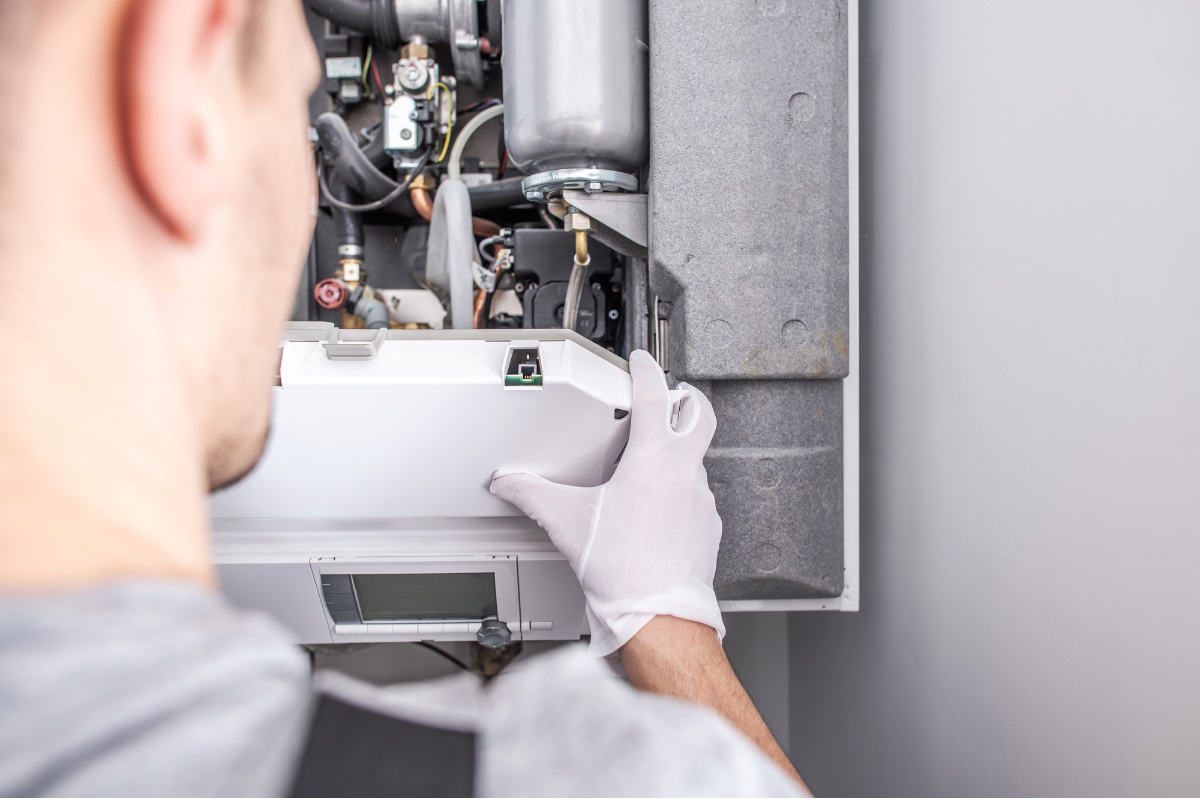
You turn up the thermostat expecting warm air, but instead, cold air starts coming through the vents. If your furnace is blowing cold air instead of heat, the problem could be as simple as an incorrect thermostat setting or a clogged air filter. Other times, it may indicate an ignition failure, overheating, or a malfunctioning furnace component.
At Carmel Valley Heating & Sheet Metal, we help homeowners throughout Carmel Valley, Monterey, Pebble Beach, and surrounding Monterey County communities diagnose and resolve heating problems. With cooler mornings and winter nights along the Central Coast, a reliable furnace makes a noticeable difference in home comfort. Here are eight common reasons your furnace may be blowing cold air, what you can safely check yourself, and when it's time to call for professional repair.
Why Is My Furnace Blowing Cold Air Instead of Heat?
A furnace may blow cold air when its blower fan is running but the heating system is not actively producing heat. This can happen during a normal startup cycle, because of thermostat settings, or when a mechanical problem prevents the burners or heating elements from operating properly.
The first thing to determine is whether the air feels cool only briefly or remains cold throughout the heating cycle.
If the air becomes warm after a short period, your furnace may be operating normally. However, if the system continues circulating cold air, turns on and off repeatedly, or struggles to reach the thermostat's set temperature, further troubleshooting may be necessary.
Here are eight common reasons a furnace blows cold air and what you can do about them.
Furnace Blowing Cold Air? 8 Common Causes
Some furnace problems are simple to check, while others require professional repair. Use this troubleshooting guide to understand why your furnace may be blowing cold air and what to do next.
| Possible Cause | What to Check or Do |
|---|---|
| Incorrect thermostat settings | Confirm the thermostat is set to HEAT, the desired temperature is above room temperature, and the fan is set to AUTO rather than ON. |
| Normal furnace startup delay | Allow a few minutes for the furnace to complete its startup cycle. Brief cool airflow can be normal, but persistent cold air may indicate a problem. |
| Dirty or clogged air filter | Inspect the air filter for dust and debris. Replace it with the correct type if needed. Restricted airflow can cause overheating and trigger a safety shutdown. |
| Ignition system failure | If the furnace attempts to start but produces no heat, an igniter, pilot light, gas supply, or ignition control may be malfunctioning. Professional diagnosis is recommended. |
| Dirty or faulty flame sensor | Burners that ignite briefly and then shut off may indicate a flame sensor problem. A qualified technician should inspect the sensor and ignition sequence. |
| Furnace overheating | Check for blocked vents, restricted return grilles, or a dirty filter. Repeated overheating or safety-switch shutdowns require professional service. |
| Leaky or damaged ductwork | Weak airflow, uneven temperatures, or lukewarm air may indicate leaking or poorly insulated ducts. Professional sealing, repair, or replacement may improve heating performance. |
| Control board or safety system failure | Repeated startup attempts, unexpected shutdowns, diagnostic error codes, or a blower running without heat may indicate a control or safety-system problem requiring professional testing. |
Carmel Valley Heating & Sheet Metal | Monterey County
1. Your Thermostat Settings Are Incorrect
One of the most common reasons a furnace blows cold air is an incorrect thermostat setting.
Most thermostats have two separate controls: the system mode and the fan setting.
The system mode determines whether your HVAC equipment heats or cools your home. The fan setting determines when the blower circulates air.
If your thermostat's fan is set to ON instead of AUTO, the blower may run continuously, even when the furnace is not producing heat. During these periods, room-temperature air circulates through the vents and may feel cold.
According to Carrier's furnace troubleshooting guidance, incorrect thermostat fan settings are a common reason homeowners experience cold air from their heating vents.
What to Check
Before assuming your furnace needs repair:
Set the thermostat's system mode to HEAT.
Change the fan setting from ON to AUTO.
Set the desired temperature above the current room temperature.
Check programmable thermostat schedules for unexpected temperature changes.
Replace thermostat batteries if your model uses them and indicates they are low.
After adjusting the settings, allow the furnace to complete a heating cycle.
If warm air begins circulating normally, the problem may have been resolved without a service call.
When to call for service: If the thermostat is correctly configured but the furnace never produces warm air, the issue may involve the heating equipment rather than the thermostat.
2. Your Furnace Has Not Finished Warming Up
Sometimes, a furnace blowing cold air is completely normal.
When a heating cycle begins, the furnace must complete its startup sequence before delivering warm air. Depending on the system, the blower may start after a brief delay, allowing the heat exchanger to warm up.
Air already sitting inside the ductwork may also feel cooler when circulation begins.
How Long Should a Furnace Blow Cold Air Before Heating?
A brief period of cool air during startup is generally not a concern. Many furnaces begin delivering noticeably warmer air within a few minutes, although the timing varies by equipment and operating conditions.
However, cold air that continues throughout the heating cycle is different from a normal startup delay.
Watch for these signs:
Air remains cold several minutes after the heating cycle begins.
The furnace starts but never produces noticeable warmth.
The blower runs continuously without the home reaching its set temperature.
The furnace repeatedly attempts to start.
If the problem continues beyond the normal startup period described in your owner's manual, the furnace may have an ignition, airflow, or safety-control issue.
3. A Dirty Air Filter Is Restricting Airflow
A clogged furnace filter is another common cause of heating problems.
Air filters capture dust, lint, and other airborne particles before they circulate through the heating system. Over time, these particles accumulate and restrict airflow.
When insufficient air moves across the furnace's heat exchanger, internal temperatures can rise too high.
To protect the equipment, a safety control may shut off the burners while allowing the blower to continue running. As a result, your furnace may circulate cool air instead of producing heat.
Signs Your Furnace Filter May Be Clogged
Weak airflow from supply vents
Visible dust buildup on the filter
Longer heating cycles
Uneven temperatures between rooms
Furnace overheating or shutting off unexpectedly
Heating that starts normally but stops before the home is warm
What You Can Do
Turn the system off according to the manufacturer's instructions, locate the accessible air filter, and inspect its condition.
If it is dirty, replace it with a compatible filter of the correct size and type. Make sure the replacement is installed in the proper airflow direction.
Many standard one-inch filters need replacement approximately every one to three months, but the correct interval depends on the filter, system requirements, indoor conditions, and manufacturer recommendations.
Homes with pets, frequent dust exposure, or heavy system use may need more frequent filter changes.
Regular filter checks are also an important part of preparing your HVAC system for winter in Monterey County, particularly before you begin relying on your heating equipment more frequently.
Important: If the furnace continues overheating or blowing cold air after replacing the filter, do not repeatedly restart it. A technician should inspect the airflow and safety controls.
4. The Furnace Ignition System Is Not Working
A gas furnace must ignite its burners to produce heat.
Older furnaces may use a standing pilot light, while many newer systems rely on electronic ignition components.
If the ignition process fails, the furnace may attempt to start without producing heat. Depending on the equipment and failure condition, the blower may continue circulating unheated air.
Common Ignition Problems
Potential causes include:
A pilot light that will not remain lit
A malfunctioning electronic igniter
Faulty ignition wiring or controls
Problems with the gas valve
An interrupted gas supply
Safety controls preventing ignition
You may notice clicking sounds, repeated startup attempts, or a furnace that briefly operates before shutting down.
What Should You Do?
Start by checking that the thermostat is requesting heat and that the furnace has electrical power.
If you have an older furnace with a standing pilot light, consult the manufacturer's instructions rather than attempting unfamiliar ignition procedures.
Do not attempt to repair gas valves, igniters, burners, or internal gas connections yourself.
These components require proper testing and professional handling.
Safety warning: If you smell natural gas, leave the building immediately. Once you are outside, contact your gas utility or emergency services. Do not operate switches, use flames, or attempt to restart the furnace.
5. A Dirty or Faulty Flame Sensor Is Shutting Off the Heat
Modern gas furnaces commonly use a flame sensor to confirm that the burners have ignited properly.
This component is an important safety feature. If the furnace cannot verify that a flame is present, it may shut off the gas supply to prevent unsafe operation.
Over time, a flame sensor can accumulate residue or develop an electrical or mechanical problem that interferes with its operation.
Signs of a Flame Sensor Problem
A malfunctioning flame sensor may cause the following sequence:
The thermostat calls for heat.
The furnace begins its normal startup process.
The burners ignite.
The burners shut off shortly afterward.
The blower continues operating without sustained heat.
This can make it seem as though the furnace is working for a few moments before suddenly blowing cold air.
Can You Clean a Furnace Flame Sensor Yourself?
Although flame sensor cleaning is sometimes described as a do-it-yourself repair, it involves components associated with the furnace's combustion and safety systems.
Improper handling can damage the sensor or leave the furnace operating unsafely.
A qualified HVAC technician can inspect the sensor, check the ignition sequence, and determine whether cleaning, adjustment, or replacement is appropriate.
6. Your Furnace Is Overheating and Triggering a Safety Switch
A furnace can blow cold air because it becomes too hot internally.
This may sound contradictory, but the furnace's safety system is designed to prevent overheating.
A high-temperature limit switch monitors conditions inside the heating equipment. If temperatures exceed safe operating limits, the control may shut off the burners while allowing the blower to continue running to remove excess heat.
The air coming from your vents can then become cool even though the blower remains active.
What Causes Furnace Overheating?
Common contributors include:
Dirty or clogged air filters
Blocked return-air grilles
Too many closed supply vents
Restricted ductwork
Dirty internal components
Blower or airflow problems
Malfunctioning temperature controls
What You Can Check Safely
Make sure supply registers are open and that furniture, rugs, curtains, or storage items are not obstructing return-air grilles.
Check the air filter and replace it if necessary.
If the furnace repeatedly overheats, shuts off its burners, or runs through unusually short heating cycles, schedule a professional inspection.
Never bypass or disconnect a furnace limit switch. It is a critical safety component, and repeated overheating can damage the heating system.
7. Leaky or Damaged Ductwork Is Allowing Heat to Escape
Sometimes, the furnace itself produces heat correctly, but that warmth does not reach the rooms where it is needed.
Your home's ductwork carries heated air from the furnace to supply registers throughout the building.
If the ducts are damaged, disconnected, poorly insulated, or leaking, conditioned air may escape before reaching your living spaces.
Leaks can also allow cooler air from an attic, crawlspace, or other unconditioned area to enter the duct system.
Signs of a Ductwork Problem
Some rooms feel significantly colder than others.
Airflow is weak at certain registers.
Heating bills increase without an obvious explanation.
The furnace runs frequently but struggles to maintain comfortable temperatures.
Air from the vents feels lukewarm rather than properly heated.
You notice damaged or disconnected ducts in accessible areas.
Duct leaks are especially worth investigating in homes where ductwork runs through unconditioned spaces.
However, leaking ducts are not always the reason for genuinely cold air. If the furnace is not producing heat at all, the underlying problem is more likely related to ignition, airflow, or equipment controls.
When Is Ductwork Repair Necessary?
A professional duct inspection can identify disconnected sections, leakage, restrictions, and insulation problems.
Depending on the condition of the system, repairs may include reconnecting ducts, sealing leaks, correcting airflow restrictions, or replacing damaged sections.
If you are experiencing persistent airflow problems, our guide to when you should replace your home's ductwork explains the warning signs that may indicate more extensive duct damage.
Addressing these problems can improve heating performance and reduce the amount of conditioned air lost before it reaches your rooms.
8. A Furnace Control Board or Safety System Is Malfunctioning
Modern furnaces rely on electronic controls to coordinate the heating process.
The control board manages components such as the ignition system, blower, safety switches, and operating sequence.
If a control board or related component malfunctions, the furnace may fail to ignite, shut off unexpectedly, or run the blower without producing heat.
Some furnaces also enter a safety lockout after repeated unsuccessful ignition attempts.
Signs of a Furnace Control Problem
The furnace repeatedly attempts to start.
The blower operates without the burners igniting.
Heating cycles stop unexpectedly.
The furnace displays an error code or blinking diagnostic light.
The system operates inconsistently despite correct thermostat settings.
These symptoms do not automatically mean the control board needs replacement. Similar problems can be caused by sensors, wiring, ignition components, or other safety controls.
A technician can review the furnace's diagnostic information, test the relevant components, and identify the actual cause.
Avoid repeatedly resetting a furnace that enters lockout mode. Doing so may temporarily clear a warning without addressing the problem that triggered it.
What to Check First When Your Furnace Is Blowing Cold Air
Before scheduling furnace repair, there are several basic checks homeowners can perform without opening the furnace's internal gas or electrical compartments.
A Simple Furnace Troubleshooting Checklist
Check the thermostat. Confirm that the system is set to HEAT, the fan is set to AUTO, and the target temperature is above the current room temperature.
Allow the furnace to start normally. Give the system a few minutes to complete its startup sequence.
Inspect the air filter. Replace a dirty filter with the correct type recommended for your system.
Check supply and return vents. Make sure registers and grilles are open and unobstructed.
Check the power supply. Verify that the furnace switch is on and look for a tripped circuit breaker. Do not repeatedly reset a breaker that trips again.
Observe the heating cycle. Note whether the furnace starts, shuts off quickly, or runs continuously without producing heat.
Look for visible diagnostic information. If your furnace has an externally visible status light or display, record the error code without opening restricted compartments.
If these steps do not restore heating, professional diagnosis is the safest next step.
When Is a Furnace Blowing Cold Air an Emergency?
A furnace blowing cold air is not always an emergency. Incorrect thermostat settings and normal startup delays are generally minor issues.
However, certain symptoms require immediate attention.
Warning Signs That Should Not Be Ignored
Leave the building and seek emergency assistance if you notice:
A natural gas or propane odor
A carbon monoxide alarm sounding
Symptoms consistent with possible carbon monoxide exposure, such as headache, dizziness, nausea, or confusion, particularly when multiple occupants are affected
If a carbon monoxide alarm sounds, move everyone outside into fresh air and contact emergency services. Do not reenter until authorities confirm it is safe.
Other situations that warrant prompt professional service include repeated furnace overheating, persistent ignition failure, electrical burning odors, or a heating system that cannot maintain safe indoor temperatures.
Do not attempt to bypass safety switches or perform repairs on internal combustion components.
Furnace Blowing Cold Air vs. Furnace Not Turning On
These problems can seem similar, but they may point to different underlying causes.
Furnace Blowing Cold Air
The blower is operating, but the air coming from the vents is not warm.
Potential causes include thermostat fan settings, ignition failure, overheating, or safety-control problems.
Furnace Not Turning On
The system does not begin a normal heating cycle, and there may be little or no airflow.
Potential causes include thermostat communication problems, power interruptions, control failures, or safety lockouts.
Identifying which situation you are experiencing can help an HVAC technician narrow down the diagnosis.
How to Prevent Your Furnace From Blowing Cold Air
Not every furnace malfunction can be prevented, but routine maintenance can reduce the likelihood of avoidable heating problems.
Replace Air Filters Regularly
A clean filter supports proper airflow and helps prevent overheating caused by excessive restriction.
Follow the furnace and filter manufacturers' recommendations rather than relying on one replacement schedule for every home.
Schedule Professional Furnace Maintenance
A professional heating inspection can help identify developing problems with ignition components, airflow, electrical connections, and safety controls.
ENERGY STAR recommends annual pre-season heating and cooling checkups to help maintain equipment performance and identify potential problems before periods of heavier use.
For homeowners in Monterey County, scheduling maintenance before the colder months can help identify issues before the furnace is needed more frequently.
If you're unsure when your equipment is due for maintenance, our article on how often you should service your HVAC system in California explains recommended maintenance intervals for furnaces, heat pumps, and other heating and cooling equipment.
Keep Vents and Returns Clear
Avoid blocking supply registers and return-air grilles with furniture, rugs, or storage items.
Proper airflow is important for both comfort and equipment operation.
Pay Attention to Unusual Furnace Behavior
Repeated short cycling, unfamiliar noises, inconsistent temperatures, and sudden increases in heating costs may indicate developing problems.
Investigating these symptoms early can help prevent a minor issue from becoming a more expensive repair.
Homeowners can also review the 10 signs your HVAC system needs repair to recognize other warning signs that may affect heating and cooling performance.
Address Ductwork Problems
Damaged or leaking ducts can reduce heating performance even when the furnace is functioning correctly.
Professional duct repairs can help restore airflow and improve temperature consistency throughout the home.
Should You Repair or Replace a Furnace That Blows Cold Air?
A furnace blowing cold air does not automatically need replacement.
Many causes, including dirty filters, faulty sensors, and certain ignition problems, can be resolved through maintenance or targeted repairs without replacing the entire furnace.
However, replacement may be worth considering when the furnace has substantial wear, recurring breakdowns, or expensive repairs.
Factors to evaluate include:
Furnace age: Older equipment may be more likely to experience component failures.
Repair cost: A major repair may be difficult to justify on an aging system.
Frequency of problems: Repeated service calls can indicate declining reliability.
Heating performance: Persistent uneven temperatures may point to broader system problems.
Energy efficiency: Newer equipment may offer improved performance compared with an older, inefficient furnace.
Safety: A cracked heat exchanger or another serious safety defect requires professional evaluation and may make replacement the appropriate option.
A qualified HVAC contractor can explain the condition of your equipment and compare repair costs with replacement options.
For many homeowners, repairing a relatively new furnace is the practical choice. For an older system with recurring problems, replacement may offer better long-term value.
If replacement becomes necessary, Carmel Valley Heating & Sheet Metal provides furnace installation and replacement services for residential and commercial properties throughout Monterey County.
Frequently Asked Questions About Furnaces Blowing Cold Air
1. Why is my furnace blowing cold air when the heat is on?
Your furnace may be blowing cold air because the thermostat fan is set to ON instead of AUTO, the air filter is clogged, or the furnace is experiencing an ignition or safety-control problem. Check the thermostat and filter first. If the system continues running without producing heat, professional diagnosis may be necessary.
2. Why does my furnace blow cold air before hot air?
A brief period of cool air at startup can be normal while the furnace completes its ignition sequence and warms the heat exchanger. If the air becomes warm after a short time, there may be no problem. Persistent cold air throughout the heating cycle can indicate a malfunction.
3. Why is my furnace blowing cold air after changing the filter?
If the furnace still blows cold air after a filter replacement, the problem may involve ignition components, a flame sensor, a limit switch, thermostat settings, or another control. Confirm that the filter is correctly installed and the vents are unobstructed. If the problem continues, schedule an inspection.
4. Can a dirty furnace filter cause cold air?
Yes. A severely clogged filter can restrict airflow and cause the furnace to overheat. When a safety limit switch shuts off the burners, the blower may continue circulating unheated air. Replacing the filter may help, but recurring overheating requires professional attention.
5. Why does my furnace start blowing hot air and then turn cold?
This can happen when the burners shut off before the heating cycle is complete. Possible causes include a dirty flame sensor, restricted airflow, overheating, or an ignition problem. If the furnace repeatedly starts heating and then stops, have the system inspected.
6. Should I turn off my furnace if it is blowing cold air?
If the furnace continuously blows cold air, repeatedly overheats, or attempts to start without producing heat, turning it off while arranging service may be appropriate. If you smell gas or a carbon monoxide alarm sounds, leave the building immediately and contact emergency services or the gas utility from outside.
7. Can a thermostat cause a furnace to blow cold air?
Yes. Incorrect system or fan settings can cause the blower to circulate air when the furnace is not actively heating. Set the thermostat to HEAT, choose AUTO for the fan, and make sure the requested temperature is above the current room temperature.
8. Why is my furnace fan running but there is no heat?
The blower may be operating independently of the burners because of a thermostat setting, an ignition failure, an overheating safety shutdown, or a control problem. If basic thermostat and filter checks do not restore heat, an HVAC technician should inspect the furnace.
9. How much does it cost to fix a furnace blowing cold air?
Repair costs depend on the cause, equipment type, required parts, and labor involved. A thermostat adjustment or filter replacement may involve little expense, while ignition components, control boards, or major mechanical repairs can cost substantially more. A professional diagnosis is the best way to obtain an accurate estimate.
10. How often should a furnace be serviced in Monterey County?
Most residential furnaces benefit from professional maintenance approximately once a year, preferably before the heating season. Regular inspections can help identify airflow restrictions, ignition problems, and safety-control issues before they interfere with heating performance.
Furnace Repair in Carmel Valley and Monterey County
A furnace that blows cold air can leave your home uncomfortable and make it difficult to determine whether the problem is minor or serious.
Carmel Valley Heating & Sheet Metal provides heating system repair, maintenance, and installation services for homeowners and businesses throughout Carmel Valley, Carmel-by-the-Sea, Monterey, Pebble Beach, Pacific Grove, Marina, Seaside, and surrounding Monterey County communities.
With more than 20 years of experience, our team helps diagnose heating problems, explain available repair options, and recommend practical solutions based on the condition of your equipment.
Whether your furnace is struggling to ignite, shutting down unexpectedly, or circulating air without heat, identifying the underlying problem is the first step toward restoring reliable comfort.
If your furnace continues blowing cold air after basic troubleshooting, call (831) 298-9922 or contact Carmel Valley Heating & Sheet Metal to discuss furnace repair or request an estimate.