
Air Conditioning Installation in Monterey County
Reliable air conditioning starts with a system that is properly sized, correctly installed, and designed around the needs of the property.
Carmel Valley Heating & Sheet Metal provides air conditioning installation and replacement for homes and businesses throughout Monterey County. Whether you are adding cooling to a property, replacing an older system, or updating HVAC equipment during a remodel, our team can help determine the right setup.
We consider property size, layout, existing ductwork, airflow, equipment placement, and comfort needs before recommending an air conditioning system.
Locally Owned • 20+ Years of Experience • Residential & Commercial • Serving Monterey County
CA Contractor License No. 995745Air Conditioning Installation Services
A properly installed air conditioning system should provide consistent comfort without unnecessary strain on the equipment.
Our air conditioning installation services may include:
New central air conditioning installation
AC system replacement
Equipment sizing
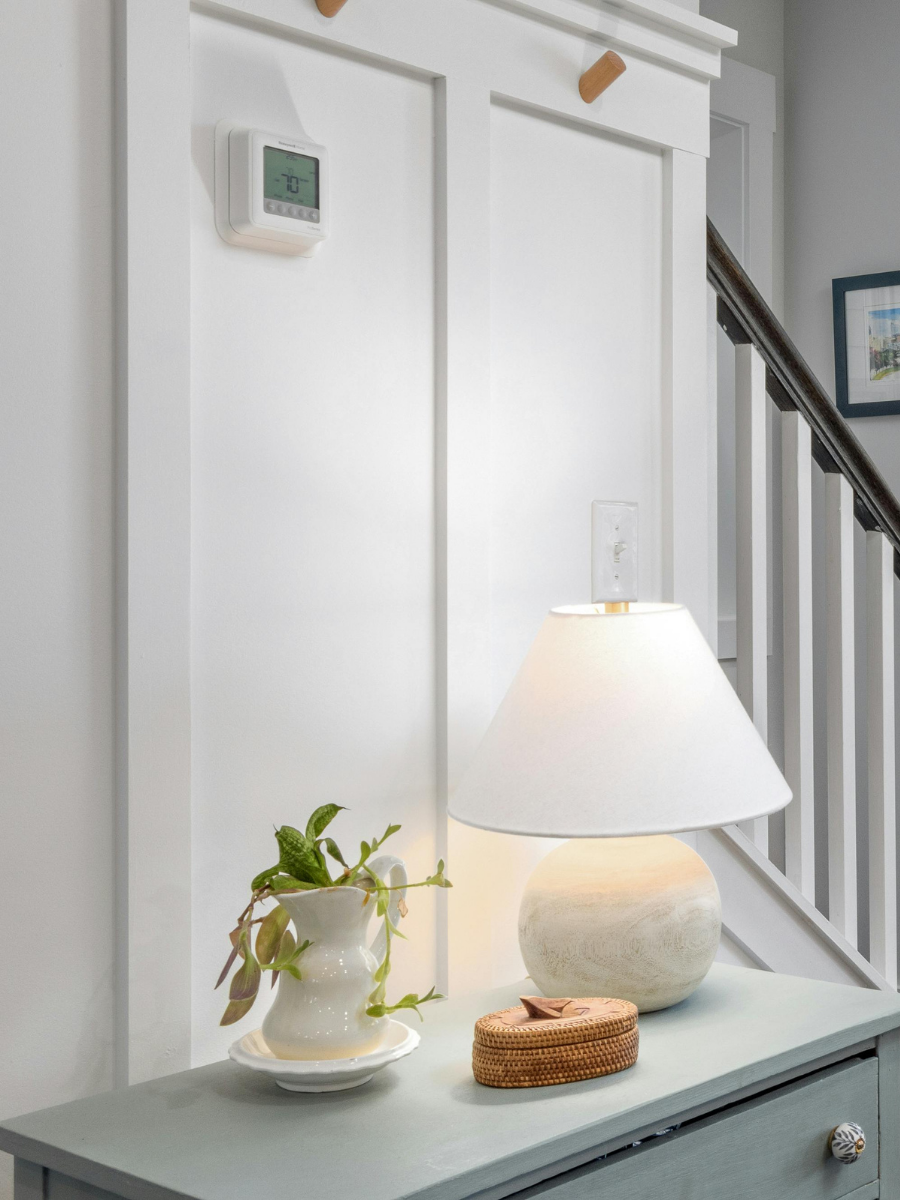
Thermostat installation
Airflow evaluation
Ductwork evaluation
Indoor and outdoor equipment placement
Electrical and control setup
System startup and testing
Replacement of aging cooling equipment
We evaluate the existing HVAC setup and property conditions before recommending equipment.
Central Air Conditioning Installation
Central air conditioning uses ductwork to distribute cooled air throughout the property.
It can be a practical option when:
The home already has usable ductwork
Whole-home cooling is the priority
Existing HVAC equipment is being replaced
A remodel includes HVAC upgrades
Heating and cooling equipment will share the same air distribution system
Proper equipment sizing and airflow are important for consistent comfort and reliable operation.
Replacing an Older Air Conditioner
An older AC system may still be repairable, but replacement can make more sense when performance has declined or repairs are becoming frequent.
You may want to consider replacement if:
The system requires repeated repairs
Cooling performance has declined
Some rooms remain uncomfortable
The equipment runs for long periods without reaching the set temperature
Major components are failing
The system is poorly sized
You are remodeling or making other HVAC changes
Replacement would better fit the needs of the property
Our team can evaluate the existing system and explain whether repair or replacement is the more practical option. If repair is still the better choice, our HVAC repair and maintenance services can help diagnose the issue and keep your current system operating reliably.
Proper AC System Sizing
Bigger is not always better when it comes to air conditioning.
An oversized system may cool the property too quickly and cycle on and off frequently, while an undersized system may run constantly and still struggle to maintain comfort.
When evaluating a new system, we consider factors such as:
Property size
Layout
Insulation
Window exposure
Existing ductwork
Airflow
Number of occupied spaces
Local climate
Existing heating equipment
Proper sizing helps the system operate more consistently and match the cooling needs of the property.
Air Conditioning for Monterey County Homes
Cooling needs can vary significantly throughout Monterey County.
Coastal homes may experience mild temperatures, fog, moisture, and marine exposure, while inland areas can experience warmer daytime conditions and greater cooling demand.
When recommending an AC system, we consider:
Coastal or inland location
Outdoor equipment placement
Salt-air exposure
Property layout
Existing ductwork
Airflow
Sun exposure
Cooling demand
Maintenance access
The goal is to choose a system that fits the property rather than relying on a one-size-fits-all approach.
Central Air vs. Heat Pump or Mini-Split
Traditional central air is not the only cooling option available.
Depending on the property, a heat pump or ductless mini-split may also make sense.
Central air may be a good fit when:
The home has existing ductwork
Whole-home cooling is the priority
A traditional central HVAC setup is preferred
A heat pump may make sense when:
You want both heating and cooling from one system
Existing ductwork can be used
You are replacing both heating and cooling equipment
A ductless mini-split may be a good option when:
The home does not have ductwork
You want room-by-room or zone control
You are conditioning an addition, ADU, or converted space
Our team can help compare the options based on the property and comfort needs.
Signs Your Air Conditioner May Need Replacement
It may be time to evaluate replacement if you notice:
Frequent repair calls
Weak airflow
Uneven cooling
Long run times
Short cycling
Unusual noises
Difficulty maintaining temperature
Rising energy use
Repeated refrigerant or component problems
An aging system that no longer performs reliably
Not every issue requires replacement, so diagnosis should come first.
Air Conditioning Repair & Maintenance
In addition to installation and replacement, Carmel Valley Heating & Sheet Metal provides HVAC repair and maintenance for existing systems.
Routine service may include:
System inspection
Filter checks
Thermostat testing
Electrical component inspection
Coil inspection
Condensate drainage checks
Airflow evaluation
Outdoor equipment inspection
General performance testing
Regular maintenance can help identify developing issues and keep the system operating as intended.
Why Choose Carmel Valley Heating & Sheet Metal?
Carmel Valley Heating & Sheet Metal is locally owned and serves residential and commercial properties throughout Monterey County.
Our team brings more than 20 years of industry experience to air conditioning installation, HVAC repair, heat pumps and mini-splits, heating systems, and related mechanical work.
We focus on:
Proper equipment sizing
Clear recommendations
Careful installation
Straightforward estimates
Practical system options
Reliable communication
Residential and commercial projects
California Contractor License No. 995745
Air Conditioning Installation FAQs
-
The correct size depends on more than square footage. Property layout, insulation, windows, ductwork, airflow, sun exposure, and local climate all affect cooling demand. A professional evaluation helps determine the appropriate system size.
-
Yes. Carmel Valley Heating & Sheet Metal installs and replaces central air conditioning systems for homes and businesses throughout Monterey County.
-
Yes. We can evaluate the current system, ductwork, controls, airflow, and equipment condition before recommending replacement options.
-
Repair may make sense when the system is otherwise in good condition and the problem is isolated. Replacement may be worth considering when repairs are frequent, performance has declined, major components are failing, or the system is poorly sized.
-
In many cases, yes. Depending on the property, options may include central air, a heat pump, or a ductless mini-split system.
-
A heat pump provides both heating and cooling, while a traditional air conditioner provides cooling only. The better fit depends on the existing HVAC setup, heating needs, ductwork, and property layout.
-
Yes. Carmel Valley Heating & Sheet Metal provides air conditioning installation and replacement for residential and commercial properties throughout Monterey County.
-
Yes. Salt air, moisture, fog, and marine exposure can contribute to corrosion and wear on outdoor equipment. Equipment placement and routine inspection are especially important near the coast.
-
Most systems benefit from routine professional maintenance at least once a year. The appropriate schedule depends on equipment type, usage, age, and property conditions.
-
Contact Carmel Valley Heating & Sheet Metal online or call (831) 298-9922 to discuss your property and request an estimate.
Serving Monterey County
Carmel Valley Heating & Sheet Metal serves homeowners and businesses throughout Carmel Valley, Carmel-by-the-Sea, Monterey, Pebble Beach, Pacific Grove, Marina, Seaside, Big Sur, Del Rey Oaks, and surrounding Monterey County communities.
Request an Air Conditioning Estimate
Planning a new air conditioning system, replacement, or HVAC upgrade?
Carmel Valley Heating & Sheet Metal provides air conditioning installation and related HVAC services throughout Monterey County.

Flexible HVAC Financing Available
Planning a new furnace, air conditioner, heat pump, or complete HVAC system? Financing through GreenSky® may be available for qualifying installations and replacements.
LOCAL EXPERIENCE • SKILLED WORKMANSHIP • HVAC • METAL ROOFING • CUSTOM SHEET METAL •
LOCAL EXPERIENCE • SKILLED WORKMANSHIP • HVAC • METAL ROOFING • CUSTOM SHEET METAL •
Contact Us
Tell us what you need help with and a little about your project. Whether it’s HVAC, metal roofing, gutters, or custom sheet metal, our team will review your request and follow up with next steps.
For faster assistance, call us at (831) 298-9922.
Follow Us