
Metal Roof vs. Shingles: Which Is Better for Coastal Homes?
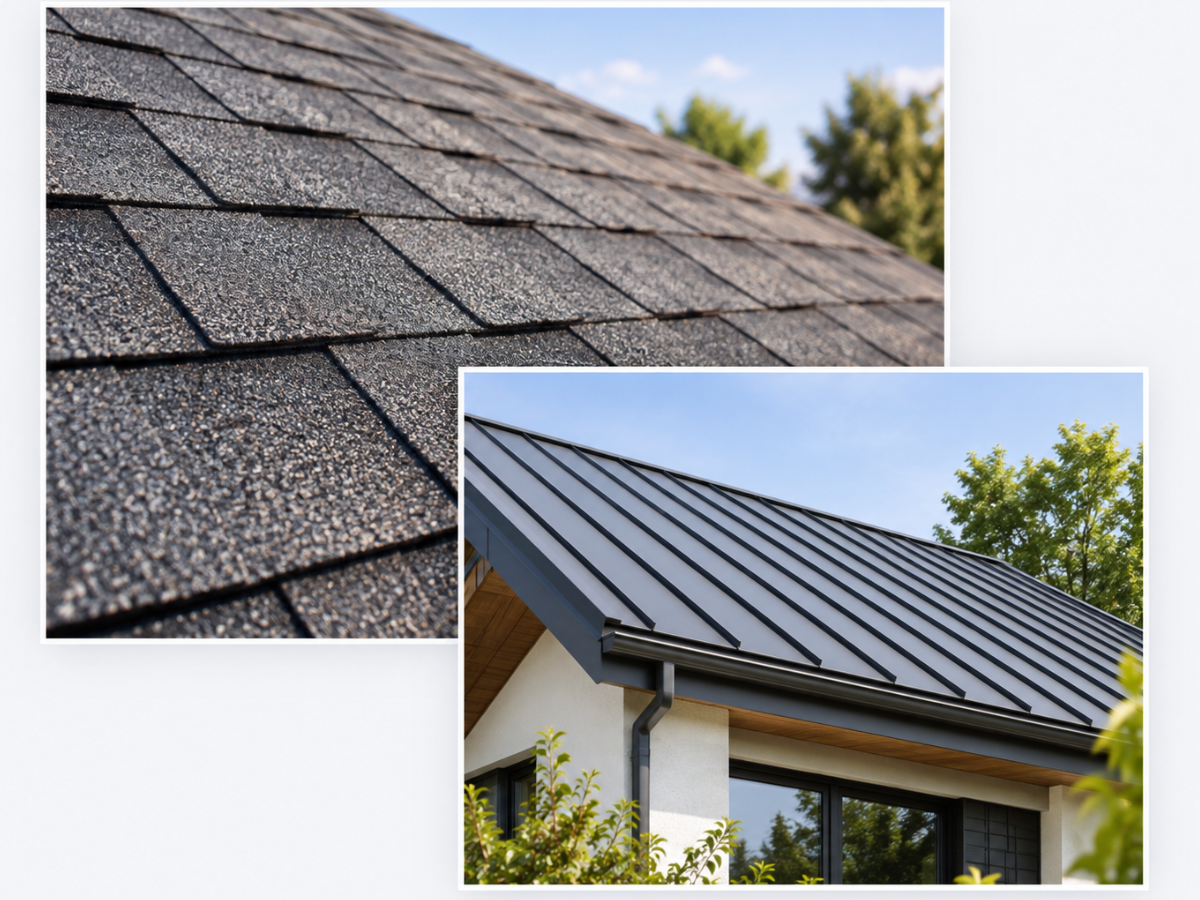
Choosing between a metal roof vs. shingles can be a bigger decision for a coastal home than it is farther inland. Salt air, wind, moisture, intense sun, and changing weather conditions can all affect how roofing materials perform over time.
Metal roofing is often valued for durability, wind resistance, and long service life. Asphalt shingles remain popular because they typically cost less upfront, are widely available, and can be easier to repair or replace in sections.
At Carmel Valley Heating & Sheet Metal, we provide metal roofing, gutter, and custom sheet metal services throughout Monterey County. For coastal properties, the right roofing choice depends on more than appearance or upfront cost. Roof design, salt exposure, wind, material selection, installation quality, and long-term plans for the home all matter.
Neither option is automatically right for every coastal property. Understanding how metal roofing and asphalt shingles differ can help you compare the tradeoffs before choosing a roofing system.
Metal Roof vs. Shingles at a Glance
Both roofing systems can work for coastal homes, but they differ in upfront cost, potential lifespan, maintenance, wind performance, and response to coastal exposure.
| Consideration | Metal Roof | Asphalt Shingles |
|---|---|---|
| Upfront cost | Typically higher | Typically lower |
| Potential lifespan | Generally longer | Generally shorter than metal roofing |
| Wind performance | Can provide strong wind resistance when properly installed | High-wind products are available, but installation and rating matter |
| Coastal exposure | Material, coating, fasteners, and corrosion resistance are especially important | Wind, moisture, sun, and aging can affect long-term condition |
| Maintenance | Inspect fasteners, flashing, seams, coatings, and corrosion | Inspect for lifting, cracking, missing shingles, and granule loss |
| Localized repairs | May require specialized repair depending on the panel system | Individual damaged shingles can often be replaced |
| Appearance | Available in modern and traditional profiles | Wide range of familiar colors, textures, and styles |
| Best suited for | Homeowners prioritizing durability and longer-term performance | Homeowners prioritizing lower upfront cost and simpler localized repairs |
What Is the Main Difference Between a Metal Roof and Shingles?
The biggest difference is the roofing material itself and how the roof system is assembled.
A metal roof typically uses panels or metal roofing pieces that interlock or overlap to create a weather-resistant exterior surface. Common materials include steel and aluminum, with different coatings and finishes available depending on the application.
Asphalt shingles are individual roofing pieces made with a fiberglass mat coated in asphalt and mineral granules. They are installed in overlapping rows across the roof deck.
Both systems are designed to shed water, protect the roof structure, and withstand outdoor conditions. Their performance can differ significantly depending on material quality and installation.
For coastal homes, those differences become especially important because the roof may face additional exposure to salt, wind, moisture, and storms.
Is a Metal Roof Better for Coastal Homes?
A metal roof can be a strong option for many coastal properties, particularly when durability and resistance to severe weather are priorities.
Potential advantages include:
Long service life
Strong resistance to wind when properly installed
Resistance to cracking and splitting
Lower risk of losing individual roofing pieces during high winds
Reflective roofing options that can reduce solar heat gain
Relatively low routine maintenance
Resistance to fire
Availability of systems designed specifically for harsh environments
Metal roofing is not maintenance-free, however.
The specific metal, coating, fasteners, flashing, roof design, and installation all matter in coastal environments. Salt exposure can accelerate corrosion of certain metals and components if inappropriate products are used.
That means choosing a metal roof for a home near the ocean requires more than simply selecting a metal panel.
The complete roofing system should be appropriate for the home's level of coastal exposure. Carmel Valley Heating & Sheet Metal provides metal roofing and custom sheet metal services for residential and commercial properties throughout Monterey County.
Are Asphalt Shingles Good for Coastal Homes?
Yes. Asphalt shingles are used successfully on many coastal homes.
They remain one of the most common residential roofing materials because they provide a combination of affordability, availability, appearance, and relatively straightforward installation.
Potential advantages include:
Lower initial cost than many metal roofing systems
Wide variety of colors and styles
Easy availability
Familiar installation process
Straightforward individual shingle repairs
Good performance when properly selected and installed
For coastal properties, product selection and installation become especially important.
Not all asphalt shingles have the same wind rating or durability. Homes exposed to stronger winds may require shingles rated for those conditions along with installation methods that meet manufacturer requirements and applicable building codes.
Shingles can also experience granule loss, curling, cracking, lifting, and other forms of deterioration as they age.
Which Lasts Longer: Metal Roof or Shingles?
Metal roofing generally has the potential for a longer service life than standard asphalt shingles.
Actual roof life varies significantly, however.
A roof's lifespan can be affected by:
Material quality
Installation
Roof pitch
Ventilation
Underlayment
Flashing
Sun exposure
Salt exposure
Wind
Storm damage
Tree coverage
Drainage
Maintenance
Previous repairs
A well-installed roof may perform for many years, while even a high-quality product can develop problems earlier if the installation or surrounding conditions are poor.
For coastal homes, evaluating the entire roofing system is particularly important. Salt air and strong wind can expose weaknesses in fasteners, flashings, edges, penetrations, and other details.
Which Roof Handles Coastal Wind Better?
Both metal roofs and shingles can be designed for high-wind conditions, but metal roofing is often attractive to coastal homeowners because properly installed panels create a continuous roofing surface with fewer individual pieces that can lift.
That does not mean every metal roof automatically performs better in wind.
Wind resistance depends on:
The roofing system
Panel attachment
Fastener spacing
Roof deck condition
Edge detailing
Flashing
Roof shape
Installation method
Product testing and ratings
Asphalt shingles can also be manufactured and installed for strong wind resistance.
The important point is to choose roofing products rated for the conditions the home may experience and install them according to manufacturer specifications and local requirements.
FEMA provides guidance for asphalt shingle installation in high-wind coastal regions, including attention to wind ratings, fastening, underlayment, and flashing.
How Does Salt Air Affect Roofing?
Salt is one of the biggest differences between a coastal roof and one farther inland.
Airborne salt can settle on roofing materials, flashing, fasteners, gutters, vents, and other exterior metal components.
Over time, that exposure can contribute to corrosion.
Metal roofing products intended for coastal properties may use metals, coatings, finishes, and fastening systems selected specifically to resist these conditions.
Material compatibility also matters for flashing, trim, gutters, chimney details, and other exterior metal components. Learn more about our custom sheet metal fabrication for Monterey County properties.
The distance from the shoreline also matters.
A home directly exposed to ocean spray can experience very different conditions from a property several miles inland. Wind direction, elevation, nearby buildings, landscaping, and topography can all influence exposure.
For that reason, there is no single roofing recommendation that applies equally to every home described as "coastal."
Metal Roof vs. Shingles: Which Costs More?
Metal roofing typically costs more upfront than asphalt shingles.
The difference can be significant depending on the material, roof size, roof complexity, panel style, labor, tear-off requirements, underlayment, flashing, and other project details.
Asphalt shingles are generally less expensive to install initially.
That does not necessarily make shingles less expensive over the entire life of the home.
A longer-lasting roof may reduce how often the roofing system needs to be replaced. On the other hand, homeowners planning to move within a shorter period may place greater importance on upfront project cost.
When comparing metal roof vs. shingles, it is useful to consider both:
Initial installation cost
Expected service life
Maintenance
Repair costs
Potential replacement frequency
Property plans
A lower upfront price and a lower long-term cost are not always the same thing.
Which Roof Requires More Maintenance?
Neither roofing system should simply be ignored after installation.
Routine roof inspections can help identify loose materials, damaged flashing, clogged drainage areas, sealant problems, storm damage, and other developing issues.
Metal roofing may require attention to:
Fasteners
Flashing
Sealants
Panel edges
Coating condition
Corrosion
Roof penetrations
Asphalt shingles may require attention to:
Missing shingles
Lifted shingles
Cracked shingles
Granule loss
Flashing
Sealants
Roof penetrations
Storm damage
Coastal homes may benefit from closer attention because wind, moisture, and salt exposure can accelerate deterioration of vulnerable components.
Is a Metal Roof Noisy When It Rains?
This is a common concern, but a residential metal roof does not necessarily create excessive interior noise.
The sound homeowners hear depends heavily on the way the roof assembly is constructed.
Roof decking, underlayment, insulation, attic space, and interior ceilings can all reduce the amount of rain noise that reaches living areas.
A metal roof installed over a complete residential roof assembly is different from exposed metal roofing on an open barn, shed, or similar structure.
Homeowners concerned about noise should discuss the full roofing assembly rather than judging metal roofing based only on the exterior material.
Does a Metal Roof Make a House Hotter?
Not necessarily.
Roof temperature and indoor comfort depend on several factors, including roof color, coating, insulation, attic ventilation, air sealing, and the overall roofing assembly.
Some metal roofing products use reflective finishes that can reduce the amount of solar energy absorbed by the roof surface.
The U.S. Department of Energy notes that solar reflectance and thermal emittance are important considerations when selecting roofing intended to reduce cooling loads.
Dark roofing materials of any type can absorb more solar heat than lighter or more reflective options.
The roof material is therefore only one part of the home's overall heat-management strategy.
Are Shingles Easier to Repair Than a Metal Roof?
In many cases, yes.
If a small number of asphalt shingles are damaged, individual shingles can often be replaced without replacing a large portion of the roof.
Metal roof repairs can be more specialized.
The repair may involve a panel, seam, fastener, coating, flashing, or another component of the roof system. Matching an older panel or finish can also become more difficult as the roof ages.
That does not make metal roofing difficult to maintain. It means repairs may require a contractor familiar with the specific metal roofing system.
Which Roof Looks Better?
Appearance is subjective.
Asphalt shingles remain popular partly because they work with a wide range of home styles and are available in many colors, textures, and profiles.
Metal roofing has also expanded well beyond traditional exposed agricultural panels.
Depending on the system, metal roofing can provide a clean modern appearance, a standing-seam look, or profiles designed to complement more traditional architecture.
For a coastal home, the best aesthetic choice should also account for durability.
A roofing product should not be selected for appearance alone if the material or finish is poorly suited to the home's exposure conditions.
Should You Choose Metal or Shingles for a Coastal Home?
Choose based on the property rather than assuming one material is universally better.
A metal roof may make sense when:
Long-term durability is a priority
The home experiences significant wind exposure
You plan to stay in the property for many years
You want to reduce future replacement frequency
The roofing material and coating are appropriate for coastal exposure
You are comfortable with a higher upfront investment
Asphalt shingles may make sense when:
Keeping the initial project cost lower is important
You prefer the appearance of architectural shingles
The home has a straightforward shingle roof design
High-quality shingles are available for the property's wind conditions
Easier localized repairs are important
You may not need the longer potential lifespan of metal roofing
The condition of the existing roof deck, roof design, location, exposure, budget, and long-term plans should all be evaluated before making a decision.
What Matters Most for a Coastal Roof?
The roofing material is important, but it is not the only thing that determines whether a roof performs well near the coast.
A successful coastal roof also depends on:
Proper installation
Appropriate underlayment
Secure attachment
Correct flashing
Roof-edge detailing
Quality fasteners
Suitable ventilation
Proper drainage
Material compatibility
Wind ratings
Corrosion resistance
Routine inspection
Small installation details can become important when a roof is repeatedly exposed to wind-driven rain, salt, and moisture.
That is why comparing product brochures alone may not tell you which roof is best for a particular home.
Metal Roof vs. Shingles: The Right Choice Depends on the Home
There is no universal winner in the metal roof vs. shingles comparison.
Metal roofing can offer a longer potential service life, strong wind performance, and fewer individual roofing pieces. Those advantages can be particularly appealing for coastal properties.
Asphalt shingles offer a lower initial cost, broad availability, familiar installation, and easier localized repairs. Properly selected and installed shingles can still be a practical roofing option for many coastal homes.
The most important consideration is how the complete roof system fits the property.
Distance from the ocean, salt exposure, wind, roof design, existing roof condition, budget, and long-term ownership plans should all be part of the decision.
Carmel Valley Heating & Sheet Metal provides metal roofing, gutters, and custom sheet metal services throughout Monterey County.
Considering a metal roof for your coastal property? Contact Carmel Valley Heating & Sheet Metal or call (831) 298-9922 to discuss your project.
Frequently Asked Questions About Metal Roofs vs. Shingles
Is a metal roof better than shingles near the ocean?
A metal roof can be a strong choice near the ocean because of its durability and potential wind resistance, but the specific metal, coating, fasteners, flashing, and installation must be suitable for coastal exposure. Salt air can contribute to corrosion if inappropriate materials are used.
Which lasts longer, a metal roof or asphalt shingles?
Metal roofing generally has a longer potential service life than asphalt shingles. Actual roof life depends on material quality, installation, exposure, maintenance, weather, and the condition of the overall roofing system.
Are metal roofs better in high winds?
Properly installed metal roofing systems can provide strong wind resistance, but performance depends on the specific system, attachment method, edge details, roof deck, and product rating. High-wind asphalt shingles are also available.
Do metal roofs rust near the ocean?
Some metals and components can corrode when repeatedly exposed to salt and moisture. Coastal metal roofing should use materials, coatings, fasteners, and details appropriate for the property's level of salt exposure.
Are shingles cheaper than metal roofing?
Asphalt shingles typically have a lower upfront installation cost than metal roofing. Long-term cost can differ because the two materials may have different maintenance needs and replacement timelines.
Does a metal roof make a house hotter?
Not necessarily. Roof color, solar reflectance, insulation, ventilation, air sealing, and the complete roof assembly all affect heat transfer into the home. Some metal roofs use reflective finishes designed to reduce solar heat gain.
Can you replace shingles with a metal roof?
Often, yes, but the existing roof structure and roof deck should be evaluated before installation. The appropriate installation method depends on the property, roofing system, building requirements, and condition of the existing roof.
Which roof is easier to repair?
Localized asphalt shingle repairs are often relatively straightforward because individual shingles can be replaced. Metal roofing repairs may require more specialized work depending on the panel system and type of damage.
Considering a Metal Roof for Your Coastal Home?
The right roofing choice depends on your property, exposure, roof design, budget, and long-term plans. Carmel Valley Heating & Sheet Metal can evaluate your home and discuss metal roofing and custom sheet metal options for Monterey County coastal conditions.