
What Is the Best HVAC System for Coastal California Homes?
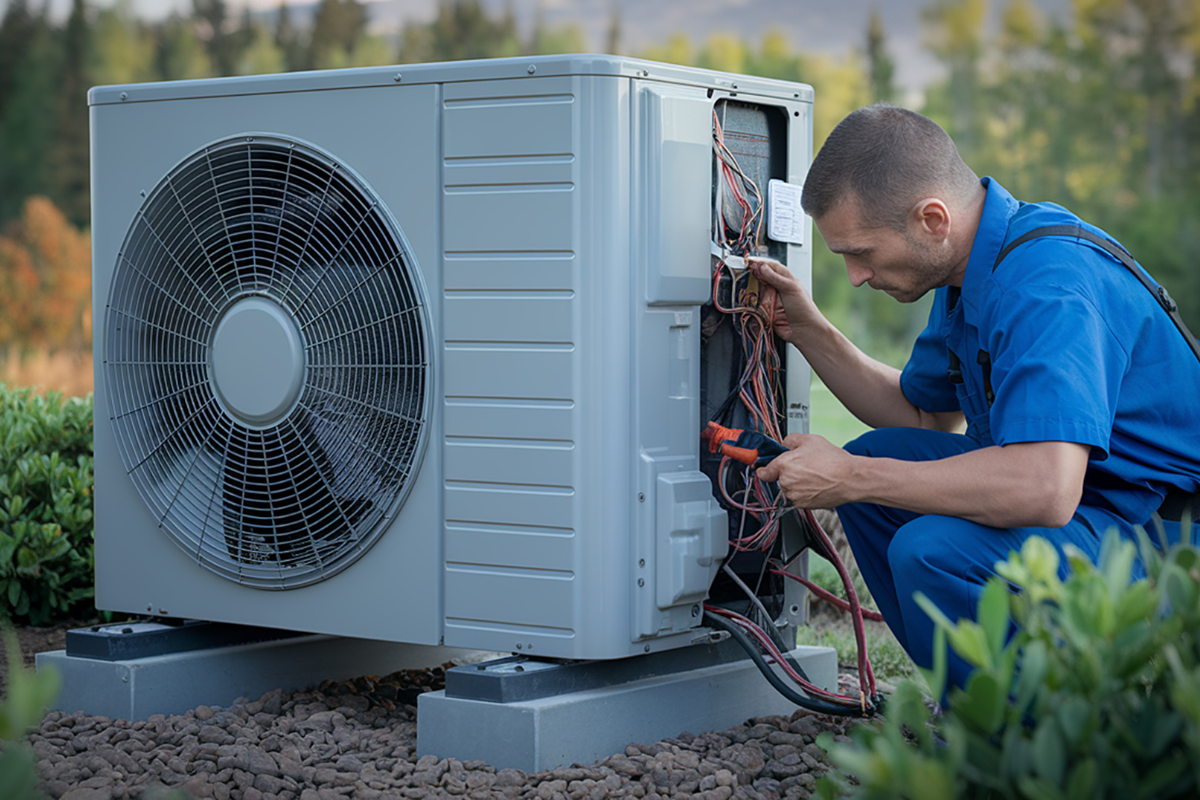
Living near the Monterey County coast changes what you should consider when choosing heating and cooling equipment. Mild temperatures may reduce the need for extreme heating or cooling capacity, but marine air, moisture, salt exposure, home construction, and changing conditions between the coast and inland areas can all affect HVAC performance.
For many coastal California homes, a properly sized heat pump or ductless mini-split can be an excellent HVAC option because it provides both heating and cooling from one system. But there is no single best HVAC system for every coastal home.
At Carmel Valley Heating & Sheet Metal, we install, repair, and maintain HVAC systems throughout Monterey County. The right choice starts with the property itself, including its location, existing ductwork, layout, comfort needs, and exposure to coastal conditions.
What Makes HVAC Different Near the California Coast?
HVAC equipment in Carmel-by-the-Sea or Pacific Grove operates in a different environment than equipment installed farther inland.
Coastal homes can be exposed to:
Salt carried through marine air
Fog and elevated moisture
Wind and changing weather
Cooler summer temperatures
Relatively moderate winter conditions
Corrosive conditions around outdoor equipment
Salt and moisture deserve particular attention because the outdoor portion of an HVAC system contains metal components that remain exposed throughout the year.
This does not mean HVAC equipment cannot perform well near the ocean. It means equipment selection, placement, installation, and ongoing HVAC maintenance become particularly important.
What Is the Best HVAC System for Coastal Homes?
For many Monterey County properties, the decision comes down to three common approaches: a ducted heat pump, ductless mini-splits, or a more traditional furnace and central air conditioning configuration.
The best choice depends largely on whether the home has usable ductwork, how the space needs to be conditioned, and the characteristics of the property.
Coastal HVAC System Comparison
The best system depends on the home's ductwork, layout, comfort needs, and coastal exposure.
| FEATURE | DUCTED HEAT PUMP | DUCTLESS MINI-SPLIT | FURNACE + CENTRAL AC |
|---|---|---|---|
| Best fit | Whole-home comfort with usable ductwork | Ductless homes, zones, additions, and individual spaces | Homes already built around separate heating and cooling systems |
| Ductwork | Typically required | Not required | Typically required |
| Heating & cooling | Both from one system | Both from one system | Separate furnace and air conditioner |
| Zoning | Usually centralized | Strong room-by-room or zone control | Usually centralized |
| Good for older homes | When suitable ductwork exists | Often a strong option when ducts are limited or absent | Depends on existing infrastructure |
| Coastal considerations | Outdoor-unit placement and maintenance matter | Outdoor-unit placement and maintenance matter | Outdoor AC equipment still faces coastal exposure |
Ducted heat pumps can be a strong whole-home option when good ductwork already exists. Mini-splits offer more flexibility for ductless homes, additions, and zoned comfort.
Ducted Heat Pumps
A ducted heat pump can be a strong option for a home that already has properly designed and maintained ductwork.
One system can provide both heating and cooling, with conditioned air distributed through registers throughout the house.
A ducted heat pump may make sense when:
Usable ductwork is already installed
You want centralized whole-home comfort
Most rooms have similar heating and cooling needs
Existing central HVAC equipment needs replacement
You prefer supply registers rather than visible indoor units
The ductwork should be evaluated before connecting new equipment. Leaks, inadequate insulation, damaged ducts, or poor sizing can undermine the performance of an otherwise efficient system.
Ductless Mini-Splits
A ductless mini-split can be particularly useful in coastal homes that were not originally built with central ductwork.
Instead of distributing air through ducts, mini-splits use individual indoor units to heat and cool specific rooms or zones.
They can work well for:
Older coastal homes without ducts
Home additions
Guest spaces
Converted garages
Rooms with different temperature needs
Properties where adding ducts would be difficult
Homeowners interested in zoned comfort
If you're weighing these two approaches, our guide to heat pumps vs. mini-splits explains the differences in more detail.
Traditional Furnace and Air Conditioning Systems
A furnace paired with central air conditioning remains another option, particularly in a home where compatible infrastructure is already in place.
However, coastal Monterey County generally experiences a relatively moderate climate compared with regions that have prolonged freezing winters or extremely hot summers.
That makes it worth considering whether separate heating and cooling equipment is necessary for the property or whether a heat pump could handle both functions.
The answer depends on the home, existing system, and comfort priorities rather than climate alone.
Why Heat Pumps Can Make Sense for Coastal California
Heat pumps are particularly interesting for moderate climates because they move heat rather than relying solely on combustion to create it.
During cooler weather, the system transfers heat into the home. When cooling is needed, it reverses operation and transfers heat outside.
That gives homeowners heating and air conditioning from the same system.
For coastal California properties, this can align well with a climate where homeowners often need heating during cool periods and cooling during warmer weather without the sustained temperature extremes found in many other parts of the country.
But climate compatibility does not eliminate the need for proper system design.
A heat pump still needs to be sized according to the home's actual heating and cooling load. Windows, insulation, air leakage, sun exposure, ceiling height, orientation, and floor plan can all affect those requirements.
How Does Salt Air Affect Outdoor HVAC Equipment?
Salt exposure is one of the biggest differences between coastal and inland HVAC installations.
Airborne salt can settle on outdoor equipment and contribute to corrosion of exposed metal surfaces and components over time. The degree of exposure can vary substantially based on how close the property is to the ocean, prevailing winds, landscaping, barriers, and where the equipment is installed.
Equipment placement therefore deserves more thought than simply finding an open area next to the house.
A contractor may need to consider:
Distance and orientation relative to the coast
Prevailing exposure to wind and marine air
Airflow around the outdoor unit
Clearance requirements
Drainage around the equipment
Accessibility for future maintenance
Manufacturer installation requirements
The goal is not to completely shield an outdoor unit from the environment. HVAC equipment needs adequate airflow to operate properly.
Instead, the objective is to choose a suitable location while recognizing the conditions the equipment will experience.
Does Coastal Moisture Affect HVAC Performance?
Moisture can influence both comfort and the condition of HVAC equipment.
The U.S. Environmental Protection Agency notes that temperature, humidity, ventilation, and indoor pollutant levels can all affect indoor air quality and comfort. In coastal environments, homeowners may notice that a comfortable indoor temperature does not always mean the home feels comfortable if moisture is not being managed effectively.
System sizing becomes important here as well.
Oversized cooling equipment can reach the thermostat setting quickly and shut off before operating long enough to provide effective moisture removal. That is one reason choosing equipment based only on square footage or selecting a larger system "just to be safe" can create problems.
Proper sizing and installation are more important than simply buying the highest-capacity equipment available.
Older Coastal Homes May Need a Different Approach
Monterey County has many homes that were built long before modern central HVAC became standard.
Some have limited space for ducts. Others have additions completed at different times, unusual floor plans, or architectural details homeowners want to preserve.
Installing a conventional ducted system in one of these properties can involve considerably more work than replacing equipment in a newer home already designed around central heating and cooling.
This is where ductless equipment can become particularly useful.
A mini-split can provide heating and cooling without requiring a conventional network of ducts through ceilings and walls. Multiple indoor units can also create separate zones where appropriate.
However, ductless does not mean design-free. Indoor unit location, equipment capacity, refrigerant line routing, drainage, and the relationship between rooms all need to be considered.
Coastal vs. Inland Monterey County HVAC Needs
Even within Monterey County, there is no single climate profile.
Properties closer to Carmel-by-the-Sea, Pebble Beach, Monterey, and Pacific Grove experience stronger marine influence. Fog, cooler temperatures, moisture, and salt exposure can all factor into HVAC decisions.
Move inland toward Carmel Valley and conditions change. Summer afternoons can become considerably warmer, making cooling performance a larger part of the equation.
A system selected for a coastal home should therefore not be based solely on recommendations for "California homes."
The specific microclimate matters.
So does the building itself. A shaded coastal cottage with no ducts has different requirements from a newer inland home with large windows and an existing central air distribution system.
Coastal vs. Inland Monterey County HVAC Considerations
Homes only a short distance apart can experience very different conditions, which can affect HVAC priorities.
| CONSIDERATION | COASTAL AREAS | INLAND CARMEL VALLEY |
|---|---|---|
| Marine exposure | Greater exposure to salt air, fog, and moisture | Typically less direct marine exposure |
| Summer conditions | Generally cooler with stronger marine influence | Warmer daytime temperatures can increase cooling demand |
| Moisture | Humidity and fog can affect comfort and equipment conditions | Usually less marine moisture influence |
| Outdoor equipment | Placement and corrosion exposure deserve extra attention | Placement still matters, with greater focus on heat and airflow |
| Common HVAC priority | Balanced comfort, moisture management, and coastal durability | Cooling performance during warmer inland afternoons |
| System selection | Often influenced by older construction and existing ductwork | Often influenced by cooling load, layout, and existing HVAC infrastructure |
Monterey County does not have one uniform HVAC climate. The home's exact location, exposure, construction, and existing system should guide equipment selection.
Don't Choose HVAC Equipment Based on Size Alone
One of the most important steps in choosing the best HVAC system for a coastal home is determining how much heating and cooling the property actually needs.
Square footage is only one variable.
A proper evaluation should also consider:
Insulation
Window quantity and orientation
Air leakage
Ceiling height
Sun exposure
Building materials
Floor plan
Occupancy
Existing ductwork
Local climate conditions
An oversized HVAC system is not automatically more comfortable or more effective.
Correct sizing helps equipment operate as intended and can affect temperature consistency, moisture control, energy use, cycling, and equipment longevity.
Maintenance Matters More in a Coastal Environment
All HVAC equipment needs maintenance, but coastal exposure gives homeowners another reason to pay attention to the outdoor system.
Salt, moisture, vegetation, dirt, and debris can accumulate around outdoor equipment. Regular inspection allows developing issues to be identified before they become larger problems.
Homeowners should also keep the area around the outdoor unit clear enough for proper airflow and avoid enclosing equipment in ways that interfere with manufacturer clearance requirements.
How frequently a particular system should be inspected depends on the equipment, installation, operating conditions, and manufacturer recommendations.
For homes with greater marine exposure, the condition of the outdoor equipment deserves particular attention during routine service.
How Should You Choose an HVAC System for Your Coastal Home?
Start with the home rather than a particular brand or equipment type.
Before choosing a system, consider:
Does the home already have usable ductwork?
Are you conditioning the entire house or individual areas?
Are some rooms consistently warmer or cooler than others?
How close is the property to the ocean?
Where can outdoor equipment realistically be installed?
Does the existing electrical system support the proposed equipment?
Are there architectural limitations?
Is the current HVAC system being replaced or is this a new installation?
Those answers help narrow the options much more effectively than simply asking which HVAC system has the highest efficiency rating.
For some homes, the answer may be a ducted heat pump. For others, it may be one or more mini-splits. Some properties may even benefit from combining a central system with a ductless unit serving a difficult addition or separate space.
The Best Coastal HVAC System Is the One Designed for the Property
There is no universal best HVAC system for coastal homes. For many Monterey County properties, heat pumps and mini-splits are worth considering because they can provide both heating and cooling and can be configured for very different types of homes.
But equipment type is only the beginning.
Existing ductwork, system sizing, coastal exposure, equipment placement, moisture, home construction, and installation quality can all affect how well the system performs over time.
Carmel Valley Heating & Sheet Metal works with homeowners throughout Monterey County to evaluate their properties and recommend heating and cooling options based on the home itself.
Considering a new HVAC system for your coastal home? Contact Carmel Valley Heating & Sheet Metal or call (831) 298-9922 to discuss your property and HVAC options.
Frequently Asked Questions About HVAC for Coastal Homes
What type of HVAC system is best for a coastal home?
For many coastal California homes, a heat pump can be a strong option because it provides both heating and cooling. Homes without ductwork may be particularly well suited to ductless mini-splits, while properties with good existing ducts may be candidates for a ducted heat pump. The best choice depends on the individual property.
Are heat pumps good for coastal California?
Heat pumps can work well in coastal California's relatively moderate climate because they provide heating and cooling from the same system. Proper sizing, installation, equipment placement, and maintenance remain important, particularly for homes exposed to marine air.
Does salt air damage HVAC systems?
Salt carried in coastal air can contribute to corrosion of exposed HVAC components over time. The severity depends on the property's location and exposure. Thoughtful outdoor-unit placement and routine maintenance can help identify and manage problems associated with coastal conditions.
Are mini-splits good for homes near the ocean?
Mini-splits can be a practical choice for coastal homes, especially older properties without ductwork, additions, or spaces that need independent temperature control. The outdoor equipment is still exposed to coastal conditions, so installation location and maintenance should be considered carefully.
Is central air or a mini-split better for an older coastal home?
If an older home does not already have usable ductwork, a mini-split may avoid the disruption and expense associated with adding a new duct network. If suitable ducts are already present, a central ducted heat pump may make more sense. The home's layout and construction should guide the decision.
How often should coastal HVAC equipment be maintained?
Maintenance frequency should follow the equipment manufacturer's recommendations and account for local operating conditions. Coastal properties with greater salt, moisture, vegetation, or debris exposure may benefit from closer attention to the condition of outdoor equipment.
Can I use a heat pump for both heating and cooling?
Yes. Residential heat pumps can provide both heating and cooling by transferring heat between the indoors and outdoors. This ability to perform both functions is one reason heat pumps are worth considering for Monterey County homes.
How do I choose the right HVAC system for my Monterey County home?
A professional evaluation should consider the home's heating and cooling requirements, existing ductwork, electrical system, layout, insulation, windows, coastal exposure, and equipment placement. Those factors can help determine whether a ducted heat pump, mini-split, or another HVAC configuration is the better fit.
Ready to Find the Right HVAC System for Your Coastal Home?
Every coastal property has different heating and cooling needs. Carmel Valley Heating & Sheet Metal can evaluate your home, existing HVAC system, coastal exposure, and comfort priorities to recommend an HVAC solution suited to your property.