
Ductless Mini-Splits: Pros and Cons for California Homes
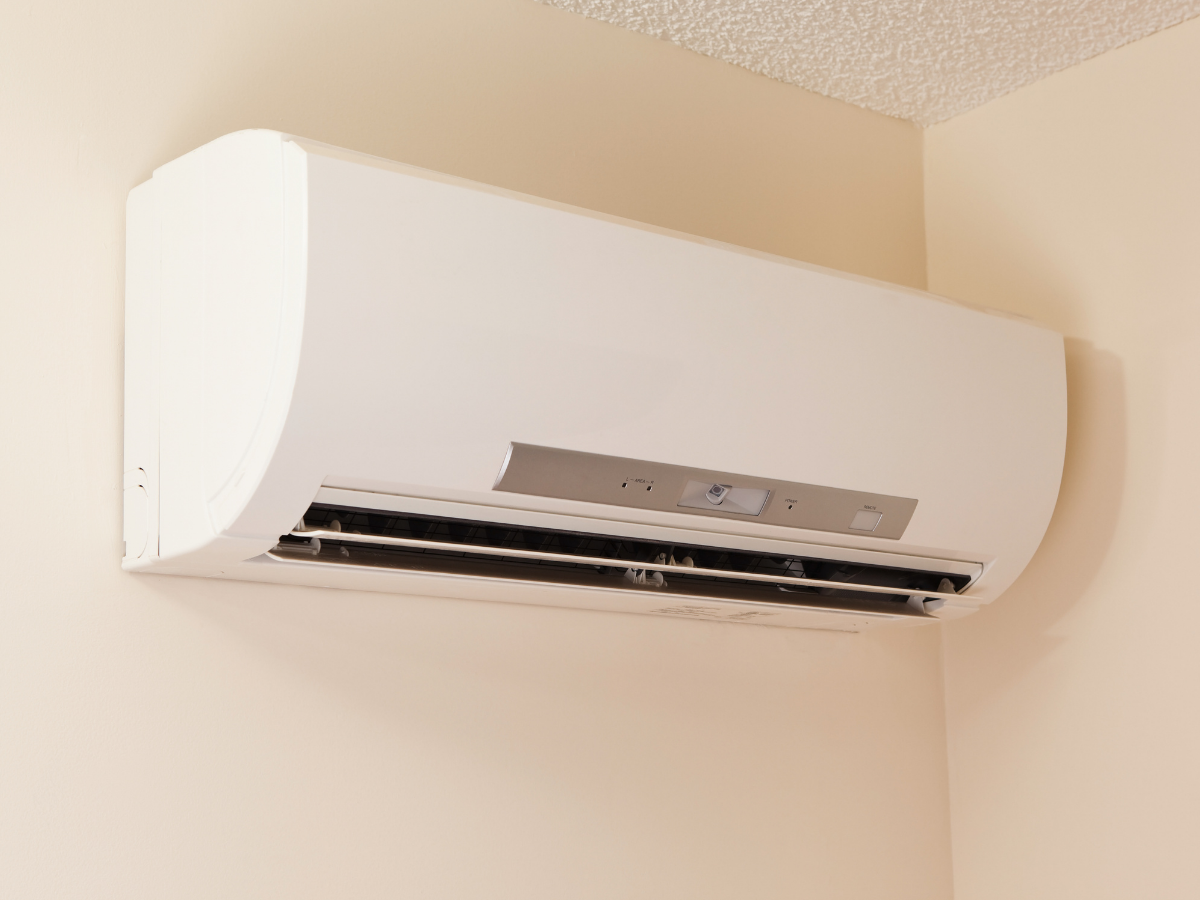
Ductless mini-splits have become a popular option for California homeowners who want efficient heating and cooling without relying on traditional ductwork.
They can be especially useful in older homes, additions, converted spaces, ADUs, garages, and properties where extending or replacing ducts would be difficult. They can also give homeowners more control over temperatures in different parts of the house.
But mini-splits are not automatically the best choice for every property.
At Carmel Valley Heating & Sheet Metal, we install, repair, and maintain heat pumps and mini-splits throughout Monterey County. For California homeowners, the right system depends on the home's layout, existing ductwork, number of rooms, comfort goals, equipment placement, and local climate.
What Is a Ductless Mini-Split?
A ductless mini-split is a heating and cooling system that does not rely on traditional supply and return ductwork.
Most residential mini-splits use heat pump technology and include:
One outdoor unit
One or more indoor air-handling units
Refrigerant lines connecting the indoor and outdoor equipment
Electrical connections
A condensate drainage system
A single-zone mini-split connects one indoor unit to an outdoor unit.
A multi-zone system connects several indoor units to outdoor equipment, allowing different areas of the home to be conditioned independently.
Because the system moves heat rather than creating it directly, a ductless heat pump can provide both heating and cooling.
Ductless Mini-Splits: Pros and Cons at a Glance
Ductless mini-splits offer flexible heating and cooling without traditional ductwork, but the right choice depends on your home's layout, comfort needs, existing HVAC system, and installation requirements.
| Consideration | Pros | Cons |
|---|---|---|
| Ductwork | No traditional ductwork is required, which can be useful for older homes, additions, ADUs, and converted spaces. | Homes with good existing ductwork may be served more simply by a central ducted system. |
| Zoning | Individual indoor units can provide separate temperature control for different rooms or areas. | Whole-home zoning may require several indoor units and a more involved system design. |
| Installation | Installation can be less invasive than adding a complete network of new ducts. | Refrigerant lines, electrical work, condensate drainage, equipment placement, and commissioning still require careful installation. |
| Appearance | Different indoor-unit styles are available, including wall-mounted, floor-mounted, ceiling cassette, and concealed options. | Many ductless systems use visible indoor units that some homeowners may not prefer. |
| Efficiency | Ductless systems avoid heating and cooling losses associated with leaking or poorly located ductwork. | Actual energy use still depends on equipment efficiency, sizing, installation, building conditions, and how the system is operated. |
| Whole-home comfort | A properly designed multi-zone system can provide heating and cooling throughout a home. | Homes with many separate rooms may require multiple indoor units to maintain consistent comfort. |
| Maintenance | No traditional duct system means there are no central ducts to maintain as part of the mini-split system. | Each indoor unit has filters and components that require routine attention, in addition to the outdoor equipment. |
| Coastal homes | Mini-splits can provide both heating and cooling for Monterey County homes and work well in many coastal climates. | Outdoor equipment can still be exposed to salt air, moisture, fog, and corrosion near the coast. |
| Best fit | Often a strong option for homes without ducts, additions, ADUs, problem rooms, and homeowners who want individual zoning. | May be less practical when a home already has effective ductwork or would require numerous indoor units. |
What Are the Advantages of Ductless Mini-Splits?
The biggest advantages of ductless mini-splits usually involve flexibility, zoning, and avoiding the need for extensive ductwork.
1. No Traditional Ductwork Is Required
One of the clearest benefits of a ductless system is that it can heat and cool a space without installing a full duct system.
That can be useful in:
Older homes without existing ducts
Room additions
ADUs
Converted garages
Workshops
Home offices
Finished attic spaces
Guest suites
Areas where existing ductwork is difficult to extend
Adding conventional ducts to an existing home can involve walls, ceilings, crawlspaces, attics, soffits, and other structural considerations.
A ductless system can sometimes provide a more direct solution.
2. Mini-Splits Allow Individual Zone Control
Many ductless systems allow each indoor unit to operate as its own zone.
That means a homeowner may be able to set different temperatures in different areas of the house.
For example, a bedroom may be kept cooler at night while an unused guest room requires less conditioning.
This can be especially useful when:
Different household members prefer different temperatures
Rooms receive different amounts of sun
Parts of the home are used only occasionally
An addition has different heating or cooling needs
Upstairs and downstairs areas behave differently
Zoning can improve comfort because the entire home does not always have to be treated as one temperature zone.
3. They Can Work Well in Homes Without Existing Ducts
California has many homes that were built without central air conditioning or modern duct systems.
In those properties, installing a traditional central HVAC system may require adding significant ductwork.
A mini-split provides another option.
Instead of designing an entirely new duct system, indoor units can be installed in the rooms or zones that need heating and cooling.
This does not mean ductless is always simpler. Multi-zone systems still require careful design, equipment sizing, refrigerant piping, drainage, electrical work, and appropriate indoor-unit placement.
But avoiding a new duct network can be a major advantage for certain homes.
4. Mini-Splits Can Provide Both Heating and Cooling
Most modern ductless mini-splits use heat pump technology.
That allows the same system to provide cooling during warmer weather and heating when temperatures drop.
In Monterey County, where many homes experience relatively moderate conditions compared with inland California, heat pump systems can be a practical option.
The actual performance of any system depends on equipment selection, sizing, installation, building characteristics, and local conditions.
If you are deciding between different heat pump configurations, our guide to heat pumps vs. mini-splits explains the differences in more detail.
5. You Can Condition Specific Areas of the Home
Not every HVAC project needs to involve the entire house.
Sometimes one room is consistently uncomfortable.
A home office may overheat in the afternoon. A converted garage may not have HVAC at all. An upstairs bedroom may need additional cooling.
A ductless mini-split can allow homeowners to address a specific area without necessarily replacing the home's existing HVAC system.
This is sometimes referred to as a supplemental or targeted HVAC application.
6. Ductless Systems Avoid Energy Loss Through Ductwork
Traditional duct systems can lose heating or cooling when air leaks from poorly sealed ducts or travels through hot attics, crawlspaces, or other unconditioned areas.
Because mini-splits deliver conditioned air directly into the room, they do not experience the same type of duct-related distribution loss.
That does not mean every mini-split will automatically use less energy than every central HVAC system.
System efficiency still depends on:
Equipment efficiency
Correct sizing
Installation
Building insulation
Air sealing
Thermostat settings
Operating habits
Local weather
Maintenance
A well-designed central system with good ductwork can also perform efficiently.
7. Installation Can Be Less Invasive Than Adding Ductwork
Installing a mini-split still requires professional work, but it usually does not require large duct runs through the house.
A typical installation may involve:
Mounting the indoor unit
Installing the outdoor unit
Running refrigerant lines
Installing electrical wiring
Providing condensate drainage
Creating a wall penetration for the line set
Commissioning the system
For homes where new ductwork would require substantial remodeling, that can make ductless equipment attractive.
What Are the Disadvantages of Ductless Mini-Splits?
Mini-splits also have limitations that should be considered before installation.
1. Indoor Units Are Visible
A traditional central HVAC system can hide most of the heating and cooling equipment behind walls, ceilings, registers, and grilles.
Many mini-split systems use wall-mounted indoor units that remain visible inside the room.
Some homeowners do not mind this.
Others may prefer a more concealed appearance.
Indoor equipment options can vary, including:
Wall-mounted units
Ceiling cassettes
Floor-mounted units
Concealed ducted units
The best option depends on the structure and the HVAC design.
2. Whole-Home Systems Can Require Multiple Indoor Units
A mini-split works very well when one or two specific spaces need conditioning.
Whole-home ductless design can become more complicated.
Depending on the layout, several indoor units may be needed to provide comfortable temperatures throughout the home.
A house with many separate bedrooms, hallways, and closed rooms requires a different strategy from an open floor plan.
Simply placing one indoor unit in a central location does not guarantee that conditioned air will move evenly into every room.
3. Indoor Unit Placement Matters
Where the indoor unit is installed can have a noticeable effect on comfort.
The unit needs to distribute air effectively throughout the area it serves.
Placement considerations include:
Room shape
Furniture
Ceiling height
Doors
Windows
Sun exposure
Airflow path
Service access
Condensate drainage
Exterior wall access
A poorly positioned indoor unit can make an otherwise good system less effective.
4. Each Indoor Unit Needs Maintenance
Ductless systems eliminate traditional ductwork, but they do not eliminate maintenance.
Each indoor unit typically has filters and coils that require attention.
A multi-zone home may therefore have several indoor units that need to be inspected and cleaned.
The outdoor equipment also requires routine maintenance.
Homeowners should keep outdoor units free of vegetation and debris and pay attention to changes in performance, noise, drainage, and equipment condition.
Our guide to how often HVAC should be serviced explains maintenance timing in more detail.
5. Installation Quality Is Important
Mini-splits are not simply appliances that can be mounted anywhere and expected to perform properly.
Important installation considerations include:
Correct system sizing
Appropriate indoor-unit selection
Refrigerant line installation
Refrigerant charge
Electrical requirements
Condensate drainage
Outdoor-unit placement
Indoor airflow
Manufacturer clearances
Proper commissioning
Oversizing can create comfort and operating problems just as it can with conventional HVAC equipment.
The system should be designed around the home rather than selected only by square footage.
6. Multi-Zone Systems Can Become More Complex
A multi-zone mini-split allows several indoor units to connect with outdoor equipment.
That can provide excellent flexibility, but it also creates a more involved system.
More indoor zones can mean:
More equipment
More refrigerant lines
More drainage requirements
More wall or ceiling penetrations
More controls
More components to maintain
In some homes, a ducted heat pump may ultimately provide a cleaner whole-home solution.
In others, ductless zoning may be the better fit.
Mini-Split vs. Central Air: Which Is Better?
Neither option is universally better.
A ductless mini-split may make more sense when:
The home does not have ductwork
Existing ducts are in poor condition
You want room-by-room zoning
You are conditioning an addition or ADU
Only certain areas need HVAC
Installing new ducts would be difficult
You want independent temperature control
Central air may make more sense when:
The home already has well-designed ductwork
You want one system serving the entire house
You prefer hidden indoor equipment
The floor plan works well with central air distribution
You want fewer visible indoor units
Our full mini-split vs. central air comparison goes deeper into installation, ductwork, zoning, efficiency, and whole-home comfort.
Are Ductless Mini-Splits Good for California Homes?
They can be.
California homes vary considerably in age, construction, climate, and HVAC needs.
A mini-split may be especially useful for homes that were built without central air conditioning or that have rooms not served well by the existing system.
For Monterey County properties, local conditions can also influence system design.
Coastal communities such as Carmel-by-the-Sea, Pebble Beach, Monterey, and Pacific Grove may experience:
Marine air
Fog
Salt exposure
Moisture
Wind
Mild coastal temperatures
Farther inland, including parts of Carmel Valley and surrounding areas, homes may experience warmer daytime temperatures and heavier cooling demand.
System selection should reflect the actual home and microclimate rather than relying on a general California recommendation.
Does Coastal Air Affect Mini-Splits?
Yes.
A ductless mini-split still relies on outdoor equipment.
That outdoor unit can be exposed to salt air, moisture, fog, wind, vegetation, and airborne debris.
Over time, coastal exposure can contribute to corrosion of coils, cabinets, fasteners, and other outdoor components.
Equipment placement and maintenance therefore become particularly important near the coast.
Our guide to how coastal air affects HVAC systems explains these conditions in greater detail.
Are Mini-Splits Good for Older Homes?
They can be particularly useful in older houses that do not already have modern ductwork.
Adding ducts to an older home can sometimes require significant changes to walls, ceilings, attics, or crawlspaces.
A ductless system may allow heating and cooling to be added while reducing the need for that type of construction.
However, older homes can also have other comfort issues, including:
Limited insulation
Air leakage
Older windows
Uneven room layouts
Electrical limitations
Moisture concerns
HVAC equipment cannot correct every building-envelope problem.
The overall condition of the home should be considered when planning a new system.
Can a Mini-Split Heat an Entire House?
Yes, in some homes.
A properly designed ductless system can provide whole-home heating and cooling.
The key word is designed.
The number and location of indoor units must match the home's layout and heating and cooling needs.
An open one-story home may be easier to serve with a small number of zones than a multi-story house with many closed bedrooms.
For some properties, a combination of ducted and ductless equipment may also make sense.
Are Mini-Splits Expensive?
The cost depends on the project.
Important pricing factors include:
Number of indoor zones
Equipment capacity
Equipment efficiency
Brand and system configuration
Electrical requirements
Line-set length
Indoor-unit type
Outdoor-unit placement
Installation access
Condensate drainage
Wall or ceiling work
A single-zone installation is a very different project from a multi-zone system serving an entire home.
For broader heat pump pricing information, see our guide to heat pump costs in California.
How Long Do Ductless Mini-Splits Last?
There is no fixed lifespan that applies to every system.
Mini-split life can be influenced by:
Installation quality
Equipment quality
Maintenance
Operating hours
Filter condition
Coil condition
Electrical conditions
Refrigerant system condition
Outdoor exposure
Coastal corrosion
Repair history
Because most mini-splits use heat pump technology, many of the same considerations that affect other residential heat pumps also apply.
Our guide to how long heat pumps last covers these factors in more detail.
When Is a Ductless Mini-Split a Good Choice?
A mini-split is worth considering when the problem you are trying to solve matches the strengths of ductless equipment.
That may include:
Adding heating and cooling to a room without ducts
Improving comfort in a problem area
Conditioning an ADU or addition
Replacing an older system in a home without usable ductwork
Creating separate temperature zones
Avoiding extensive duct installation
Providing HVAC for a remodeled or converted space
The best system should be based on the actual building rather than choosing ductless simply because it is popular.
When Might a Mini-Split Not Be the Best Choice?
A different HVAC system may make more sense when:
The home already has high-quality ductwork
You want completely concealed indoor equipment
The floor plan would require many indoor units
A central ducted system can serve the home more simply
Indoor-unit placement is difficult
The project involves significant whole-home comfort or airflow concerns
In those situations, a ducted heat pump or another central HVAC configuration may be worth comparing.
Ductless Mini-Splits Can Be a Flexible Option for California Homes
Ductless mini-splits can provide efficient heating and cooling, individual zoning, and an alternative to installing traditional ductwork.
They are particularly useful for older homes without ducts, additions, ADUs, converted spaces, and rooms with individual comfort needs.
The tradeoffs include visible indoor equipment, multiple components in larger systems, ongoing maintenance for each indoor unit, and the need for thoughtful system design.
For Monterey County homeowners, coastal exposure, home layout, existing ductwork, equipment placement, and local climate should all be part of the decision.
Carmel Valley Heating & Sheet Metal installs, repairs, and maintains mini-splits and heat pump systems throughout Carmel Valley, Carmel-by-the-Sea, Pebble Beach, Monterey, Pacific Grove, Marina, Seaside, and surrounding Monterey County communities.
Considering a ductless system? Contact Carmel Valley Heating & Sheet Metal or call (831) 298-9922 to discuss your home and HVAC options.
Frequently Asked Questions About Ductless Mini-Splits
What are the main pros and cons of ductless mini-splits?
Major advantages include no traditional ductwork, individual temperature zones, flexible installation, and the ability to provide both heating and cooling. Potential disadvantages include visible indoor units, maintenance for each indoor unit, installation complexity in larger homes, and the need for careful equipment placement.
Are ductless mini-splits worth it?
They can be worth considering when a home does not have usable ductwork, individual rooms need separate temperature control, or adding conventional ducts would be difficult. Whether they make sense depends on the home, number of zones, installation requirements, and comfort goals.
Can a mini-split heat and cool an entire house?
Yes, if the system is properly designed for the home's heating and cooling needs. Whole-home ductless installations may require several indoor units depending on the floor plan, room arrangement, and building characteristics.
Do mini-splits use less electricity than central air?
Not automatically. Ductless systems avoid duct-related distribution losses and can allow individual zones to be controlled separately, but actual energy use depends on equipment efficiency, sizing, installation, building conditions, thermostat settings, climate, and how the system is operated.
Do mini-splits work well in coastal California?
They can. Mini-splits can provide both heating and cooling in coastal climates, but outdoor equipment should be selected, placed, and maintained with salt air, moisture, fog, and potential corrosion in mind.
Do mini-splits need annual maintenance?
Routine professional maintenance is recommended according to the equipment manufacturer's requirements and the conditions in which the system operates. Filters and indoor units also require regular attention, and coastal outdoor equipment may benefit from closer inspection.
Are mini-splits good for old houses?
They can be a strong option for older homes without existing ductwork because they can provide heating and cooling without installing a full duct system. The home's insulation, air leakage, electrical system, and room layout should still be considered.
How many mini-splits does a house need?
There is no standard number. The appropriate number of indoor units depends on the home's size, floor plan, room separation, heating and cooling loads, insulation, sun exposure, and how the homeowner wants to divide the property into zones.
Considering a Ductless Mini-Split?
The right system depends on your home's layout, existing ductwork, comfort needs, and local conditions. Carmel Valley Heating & Sheet Metal can evaluate your property and discuss whether a ductless mini-split, ducted heat pump, or another HVAC configuration makes sense.