
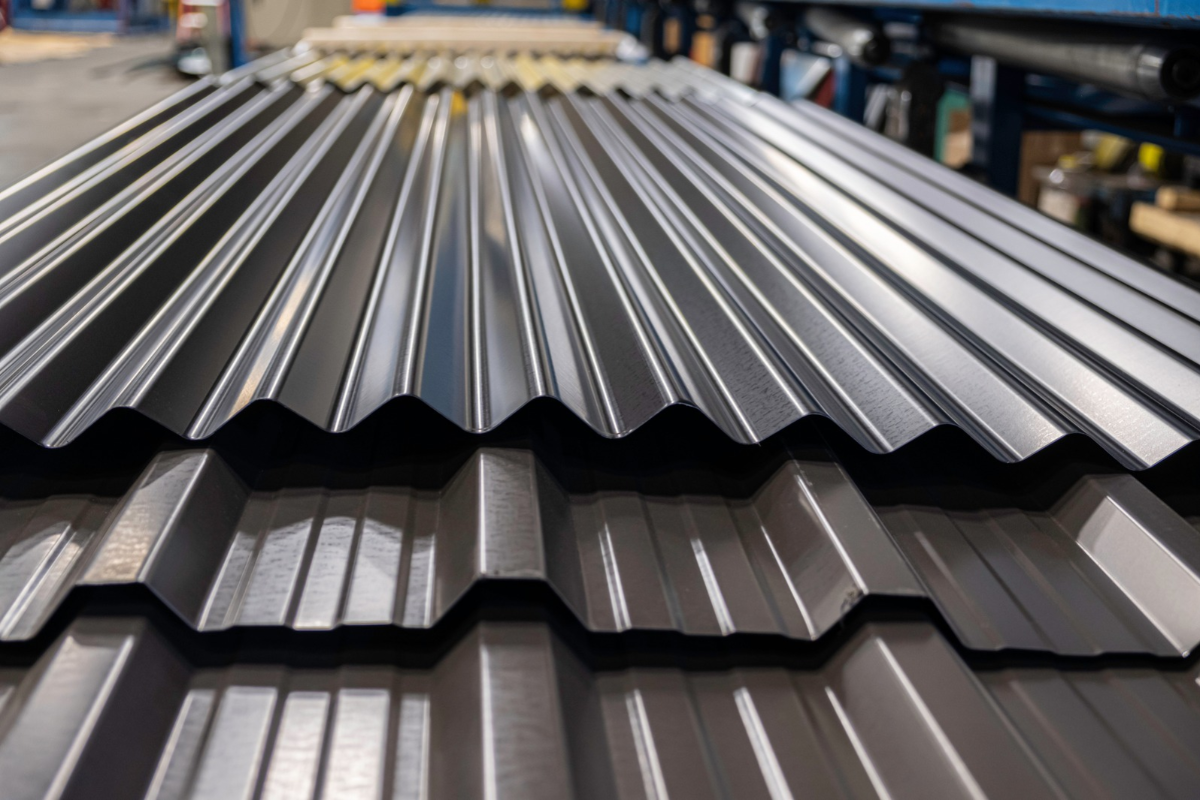
If you're considering a metal roof for your California home, wildfire protection may be one of the reasons. But could replacing your roof also help with homeowners insurance?
Yes, a qualifying Class A metal roof may help you receive wildfire insurance discounts in California. The state recognizes fire-resistant roofing under its Safer from Wildfires initiative, which encourages improvements that make homes more resistant to wildfire damage.
There is an important catch, though. Many asphalt shingle and tile roofs already meet Class A standards. Replacing one Class A roof with another does not necessarily qualify you for additional savings.
A metal roof also cannot guarantee lower premiums, prevent an insurance nonrenewal, or make a home eligible for coverage that an insurer would otherwise decline.
For homeowners in Carmel Valley and throughout Monterey County, the decision should account for both the roof's condition and the property's wildfire exposure.
At Carmel Valley Heating & Sheet Metal, we provide metal roofing installation, replacement, and repair for residential and commercial properties. Here's what California homeowners should understand about Class A roofing, wildfire insurance discounts, and whether upgrading to metal makes financial sense.
Does a Metal Roof Lower Homeowners Insurance in California?
A metal roof can qualify as a wildfire mitigation improvement, but there is no statewide discount percentage that applies to every homeowner.
California's Department of Insurance requires insurers to account for qualifying wildfire mitigation measures in applicable insurance rating plans. A Class A fire-rated roof is one of the recognized features.
The effect on your premium depends on several factors, including:
Whether your current roof already has a Class A fire rating
The proposed roofing system and its documented classification
Your insurance company's approved rating plan
Your property's wildfire exposure
Other improvements that reduce the home's vulnerability to wildfire
The type of policy you carry
For example, consider two homeowners replacing their roofs.
Homeowner A has an aging wood shake roof that does not meet Class A requirements. Replacing it with an approved Class A metal roofing system may improve the property's fire resistance and qualify it for a roof-related insurance credit.
Homeowner B has asphalt shingles that already meet Class A requirements. A new metal roof might offer other advantages, but the homeowner may already qualify for the same roof-related mitigation credit.
That distinction matters when you're considering a major roofing investment.
Before replacing a roof specifically to save on insurance, ask your insurer what fire rating it currently has on record and whether a new Class A roof would change your premium.
Metal Roofing & Wildfire Insurance: What Homeowners Should Know
A Class A metal roof may help California homeowners qualify for wildfire mitigation insurance discounts, but savings depend on the existing roof, insurance policy, and other property improvements. Here's what to consider before replacing your roof.
| Key Consideration | What Homeowners Should Know |
|---|---|
| Class A Fire-Rated Metal Roofing | A properly installed Class A metal roof assembly can qualify as a recognized wildfire mitigation improvement under California's Safer from Wildfires program. The rating applies to the approved roofing assembly, not simply the metal panels. |
| Existing Class A Roofs | Many asphalt shingle and tile roofs already meet Class A requirements. If your existing roof qualifies, switching to metal may not provide an additional roof-related insurance discount. Check your current roof classification with your insurer first. |
| Potential Insurance Discounts | Qualifying fire-resistant roofing may help reduce wildfire-related insurance costs. Savings vary by insurer, policy, and property. A mitigation credit does not guarantee that your total premium will decrease. |
| California FAIR Plan | The FAIR Plan recognizes Class A roofing among its wildfire-hardening measures. Qualifying discounts are applied to the wildfire portion of the policy premium, according to current program rules. Contact your broker to confirm eligibility. |
| Insurance Eligibility & Renewal | A Class A metal roof may improve one aspect of a property's wildfire resistance. However, it does not guarantee insurance approval or renewal. Insurers also evaluate location, vegetation, surrounding structures, and other risk factors. |
| Additional Home-Hardening Improvements | Ember-resistant vents, enclosed eaves, vegetation management, defensible space, and reducing combustible materials near the home may also qualify for insurance credits. Combining improvements can strengthen overall wildfire protection. |
| Documentation & Next Steps | Keep roofing product specifications, fire-rating documentation, installation records, and applicable permit approvals. Contact your insurer after installation to confirm whether a discount applies and when it will take effect. |
Insurance discounts and eligibility vary by provider and policy. A Class A roof does not guarantee lower premiums or continued coverage. Confirm current requirements with your insurer or licensed broker.
Carmel Valley Heating & Sheet Metal | Monterey County
What Is a Class A Fire-Rated Metal Roof?
Class A is the highest classification used for roof assemblies tested for resistance to external fire exposure.
These tests evaluate a roof assembly's performance under specified conditions involving flames, burning materials, and fire penetration.
Metal roofing is commonly available in systems that achieve a Class A rating.
However, the metal panels themselves do not automatically establish the fire classification of every installation.
The complete roofing assembly matters, including the panels, underlayment, roof deck, and installation method.
When comparing metal roofing products, ask about:
The tested roof assembly's fire classification
Manufacturer specifications
Required underlayment
Roof deck compatibility
Panel fastening and installation requirements
Applicable California building codes
The California Department of Insurance's Safer from Wildfires program includes qualifying metal shingles and sheets among Class A roofing options.
Is Metal Roofing More Fire-Resistant Than Asphalt Shingles?
Metal is noncombustible, which is a useful characteristic when a roof is exposed to windblown embers.
But that does not mean metal roofing automatically has a higher fire rating than asphalt shingles.
Many modern fiberglass asphalt shingle systems also achieve Class A ratings. Certain tile and other approved roofing assemblies can meet the same classification.
For insurance purposes, the relevant distinction is often whether the roof qualifies as Class A, rather than whether the visible material is metal, asphalt, or tile.
There are still other reasons to compare these materials, including service life, maintenance, installation costs, and suitability for coastal conditions.
Our guide to metal roofs vs. asphalt shingles covers those differences in more detail.
How Does California's Safer from Wildfires Insurance Program Work?
California's Safer from Wildfires initiative identifies steps homeowners can take to reduce the chances of wildfire damage.
The approach focuses on protecting the structure, reducing combustible materials around it, and improving wildfire resilience at the community level.
A Class A roof is one recognized improvement, but it is not the only one.
Other measures include:
Installing ember- and fire-resistant vents
Enclosing vulnerable eaves
Upgrading certain windows or adding shutters
Using noncombustible materials at the base of exterior walls
Reducing combustible vegetation and materials within five feet of the home
Clearing debris beneath decks
Maintaining defensible space
Moving combustible outbuildings farther from the home
Participating in recognized community wildfire mitigation programs
These improvements address different ways a home can be exposed to wildfire.
A roof can resist direct ember exposure while an unprotected vent, combustible fence, or pile of dry vegetation creates another possible ignition point.
Under California's wildfire mitigation insurance regulations, qualifying measures must be reflected in applicable insurance rating plans.
However, the amount of the credit varies by insurer. Some companies may provide different reductions for individual improvements or combinations of measures.
The California Department of Insurance recommends contacting your insurer or broker after completing mitigation work to determine the available savings.
How Much Can a Metal Roof Save on Wildfire Insurance?
There is no dependable statewide figure, such as 10% or 20%, that homeowners can assume they will save by switching to metal roofing.
The roof-related credit depends on the insurance company's rating plan and the property's qualifying improvements.
It is also important to distinguish between a discount and a lower total premium.
An insurer may apply a credit for wildfire mitigation while other factors, such as rebuilding costs or changes in insurance rates, cause the overall renewal premium to increase.
That means a homeowner could receive the credit and still pay more than the previous year.
Before committing to a roof replacement, ask your insurer these questions:
Does my current roof already qualify as Class A?
Would installing a new Class A metal roof change my premium?
What documentation would you require?
When would the credit become effective?
Are there other wildfire mitigation improvements that could provide additional savings?
Request an estimate based on your actual policy and property.
This gives you a more useful financial comparison than applying a general discount percentage to the roof's installation cost.
Does the California FAIR Plan Offer Metal Roof Discounts?
Yes. The California FAIR Plan recognizes qualifying Class A roofing as one of its wildfire-hardening measures.
The FAIR Plan provides access to basic property insurance for eligible owners who cannot obtain suitable coverage through the traditional insurance market.
Its wildfire-hardening discount criteria include Class A roofing along with improvements such as ember-resistant vents, enclosed eaves, window upgrades, vegetation management, and defensible space.
The FAIR Plan's published discount information explains that qualifying credits apply to the wildfire portion of the policy premium.
The FAIR Plan may also provide additional credits when multiple home-hardening criteria are satisfied.
Homeowners should contact their licensed broker to confirm which discounts apply.
You can review the California FAIR Plan's official website for current program information.
A qualifying metal roof does not automatically make FAIR Plan coverage unnecessary or guarantee eligibility for a different insurer.
Can a Metal Roof Help You Get Homeowners Insurance in California?
Potentially, but its effect on insurance availability is different from its effect on premium discounts.
Insurance companies evaluate several characteristics when deciding whether to insure a property.
These can include the home's location, surrounding vegetation, building materials, nearby structures, access conditions, and wildfire exposure.
A Class A roof can address one building vulnerability, but it does not eliminate the other risks an insurer may consider.
For homeowners who have received a nonrenewal notice or are having trouble finding coverage, California's Department of Insurance recommends asking the insurer whether specific mitigation improvements could affect its decision.
That is worth doing before replacing an otherwise serviceable roof.
For example, an insurer might consider the roof's fire classification alongside vegetation clearance, vent protection, and other features. Another insurer may have different underwriting requirements.
If your main goal is to obtain or retain coverage, ask the insurance company what improvements would make a difference for your property.
A contractor can discuss roofing materials and installation options, but the insurer determines coverage eligibility and pricing.
Why Metal Roofing Can Help Protect Homes From Wildfire
One of the biggest concerns during a wildfire is airborne embers.
Wind can carry embers ahead of the main fire, allowing them to land on buildings and surrounding materials.
According to CAL FIRE's home-hardening guidance, roofs are particularly vulnerable because they present a large exposed surface where embers and debris can accumulate.
A properly installed Class A metal roof is designed to resist severe external fire exposure.
However, the roof still needs appropriate detailing and maintenance.
Roof Edges and Flashing Matter
Roof edges, wall intersections, chimneys, and penetrations are important parts of the complete roofing system.
Damaged flashing or gaps can expose vulnerable materials to moisture and potentially provide openings for ember intrusion.
For metal roofing installations, attention to panel connections, edges, flashing, and compatible components helps support the performance of the complete assembly.
Gutters Can Collect Combustible Debris
A metal roof does not prevent leaves, pine needles, or dry vegetation from collecting in the gutters.
During wildfire conditions, that debris can become fuel if exposed to embers.
CAL FIRE recommends keeping roofs and gutters clear and considering noncombustible gutter covers to reduce debris accumulation.
Regular gutter cleaning and inspection can be an important part of maintaining a fire-resistant exterior.
Roof Vents and Eaves Also Need Attention
Even with a Class A roof, embers can enter vulnerable attic vents or openings around eaves.
CAL FIRE recommends suitable ember- and fire-resistant vent protection and properly detailed eaves.
These improvements need to comply with applicable building and ventilation requirements.
A fire-resistant roof works best as part of a broader home-hardening strategy, not as the only wildfire protection measure.
Metal Roofing and Wildfire Risk in Monterey County
For Monterey County homeowners, roof selection involves more than one environmental concern.
Wildfire exposure can be important in inland valleys, wooded neighborhoods, hillside properties, and remote communities.
Closer to the coast, wind, salt air, fog, and moisture can also influence which roofing materials and components are appropriate.
Carmel Valley and Inland Communities
Homes in Carmel Valley and nearby inland areas may be surrounded by oak woodland, grassland, brush, or sloping terrain.
The amount and type of vegetation around a property can influence its wildfire vulnerability.
For a homeowner replacing an older roof in these conditions, a qualifying Class A metal roofing system may be worth considering alongside improvements to vents, gutters, roof edges, and defensible space.
The decision should reflect the actual home, not simply the community name.
Big Sur, Pebble Beach, and Coastal Areas
Some homes in Big Sur, Pebble Beach, Carmel-by-the-Sea, and surrounding coastal communities face overlapping challenges involving wildfire exposure and marine weather.
For these properties, a metal roof's fire classification is only one consideration.
Material selection, corrosion resistance, protective coatings, fasteners, and flashing details can also affect long-term performance.
A product appropriate for a sheltered inland property may not be the best choice for a home exposed to significant salt air.
Carmel Valley Heating & Sheet Metal provides metal roofing and custom sheet metal fabrication, including flashing and specialized roof components suited to individual project requirements.
How to Check Your Property's Wildfire Hazard Zone
CAL FIRE maintains Fire Hazard Severity Zone maps identifying Moderate, High, and Very High hazard designations.
These designations reflect physical wildfire hazard conditions, including vegetation, terrain, and expected fire behavior.
You can review your property using CAL FIRE's Fire Hazard Severity Zone maps.
Keep in mind that the hazard zone is not the same as an insurance company's assessment of your individual home.
Insurers may use additional property information and wildfire risk models when calculating premiums or deciding whether to offer coverage.
How to Get Credit for a Class A Metal Roof on Your Insurance
If you're replacing your roof, documenting the work properly can make discussions with your insurance provider easier.
1. Check Your Current Roof Classification
Start with your insurance company or broker.
Find out whether the existing roof is recorded as Class A and whether an approved replacement would change the property's wildfire mitigation rating.
This is particularly important when your current roof is made from modern asphalt shingles or tile.
2. Confirm the Proposed Metal Roof's Fire Rating
Ask your roofing contractor for the proposed roofing system's specifications and applicable fire-classification information.
Make sure the complete assembly is appropriate for the property and meets the relevant installation requirements.
3. Save the Installation Documentation
Keep records that identify the roofing system and the work completed.
Useful documents can include:
Roofing manufacturer and product information
Fire classification documentation
Installation contract or invoice
Applicable permits and final inspection records
Completion date
Photographs of the completed roof
Your insurer may request some or all of this information.
4. Contact Your Insurer After Installation
Once the project is finished, submit the documentation requested by your insurer or broker.
Explain that you've completed a qualifying roof improvement and ask whether the insurer can update its records.
The company may require additional documentation or an inspection.
5. Confirm the Credit and Effective Date
Ask the insurer to explain the credit and confirm when it will affect your premium.
According to California Department of Insurance guidance, savings from completed mitigation work are generally reflected at the beginning of the next policy period.
If you believe your property's wildfire risk classification does not account for completed improvements, ask your insurer about its process for reviewing or appealing that classification.
Are California Grants Available for Fire-Safe Roof Replacements?
California's Safe Homes Act, AB 888, took effect January 1, 2026.
The law established a grant program framework within the California Department of Insurance to support qualifying wildfire mitigation work, including certain fire-safe roof replacements and improvements near homes.
However, the law's passage does not mean grant funding is automatically available to every homeowner.
Eligibility rules, funding availability, application procedures, and qualifying work depend on program implementation.
If you're considering a roof replacement based on possible grant assistance, check the California Department of Insurance's official updates before assuming that funding will be available or that work already completed can be reimbursed.
A roofing project should be evaluated on its own merits unless financial assistance has been confirmed.
Is Replacing Your Roof With Metal Worth It for Insurance Savings?
It depends primarily on your existing roof and the reason you're considering replacement.
If your current roof is old, damaged, or approaching the end of its service life, selecting an approved Class A metal roofing system may provide several benefits at once.
You can replace a deteriorating roof, choose materials appropriate for local conditions, and potentially satisfy a recognized wildfire mitigation criterion.
If your existing roof is relatively new, remains in good condition, and already qualifies as Class A, replacing it solely to obtain an insurance discount is much harder to justify.
In that situation, your insurer may recognize the current roof's fire rating already.
Other home-hardening measures may deserve attention before a complete roof replacement.
For homeowners planning a replacement anyway, the next step is comparing the available roofing systems, their installation requirements, and their long-term costs.
Our guide to metal roof costs in California explains the factors that affect pricing, including roof size, materials, panel style, labor, and coastal exposure.
Frequently Asked Questions About Metal Roofs and Wildfire Insurance
Does a metal roof reduce homeowners insurance in California?
A qualifying Class A metal roof may make a home eligible for a wildfire mitigation insurance credit. The amount depends on the insurer, policy, and property. It does not guarantee that the total premium will decrease.
How much is the insurance discount for a metal roof?
There is no single percentage for all California homeowners. Insurers have different approved rating plans, and some credits apply only to part of the premium. Ask your provider for an estimate based on your property and proposed roofing system.
Are all metal roofs Class A fire-rated?
No. Many metal roofing systems can achieve Class A ratings, but the classification applies to the tested roofing assembly. The installation must use appropriate components and follow the applicable requirements.
Do asphalt shingles qualify for wildfire insurance discounts?
Yes, many fiberglass asphalt shingle roofing systems meet Class A standards and can qualify under the roofing criterion. Homeowners should check whether their existing roof's fire classification is already recorded by their insurer.
Can a metal roof prevent insurance cancellation in California?
No. A Class A roof may improve one aspect of a property's wildfire resistance, but insurers consider other risk factors when deciding whether to issue or renew coverage. Ask your insurer whether specific improvements could affect its underwriting decision.
Does the California FAIR Plan offer a discount for Class A roofs?
Yes. The FAIR Plan includes Class A fire-rated roofing among its wildfire-hardening criteria. Credits depend on the policy and qualifying improvements and are applied according to the FAIR Plan's rating rules.
Can a metal roof help protect a house from flying embers?
A properly installed Class A metal roofing assembly is designed to resist external fire exposure, including relevant test conditions involving burning materials. However, embers can still ignite debris in gutters or enter vulnerable vents and gaps.
Is metal roofing a good option for homes in Carmel Valley?
It can be. Metal roofing offers a noncombustible exterior surface and is available in Class A-rated systems. Suitability also depends on the roof design, budget, existing condition, local permitting, and the property's specific environmental exposure.
Do you need a permit to replace your roof with metal in Monterey County?
Generally, yes. New roofing installations and roof replacements typically require building permits. Additional planning or coastal approvals may apply depending on the property. See our guide to metal roof permits in Monterey County.
Considering a Metal Roof for Your Monterey County Home?
A Class A metal roof can be a good choice for homeowners concerned about wildfire exposure, particularly when an existing roof is already due for replacement.
It may also help with wildfire-related insurance discounts, but the financial benefit depends on what your insurer currently recognizes and how the proposed roofing system changes your property's rating.
Before proceeding, check your existing roof's classification, speak with your insurance provider, and choose a roofing system based on the home's condition and long-term needs.
Carmel Valley Heating & Sheet Metal provides metal roof installation, replacement, repair, flashing, and custom sheet metal services throughout Carmel Valley, Carmel-by-the-Sea, Monterey, Pebble Beach, Pacific Grove, Marina, Big Sur, and surrounding Monterey County communities.
With more than 20 years of industry experience, our locally owned team can help you evaluate metal roofing options and provide an estimate based on your property.
Planning a metal roof replacement? Contact Carmel Valley Heating & Sheet Metal or call (831) 298-9922 to request a free estimate.