
How Much Does a Metal Roof Cost in California? 2026 Guide
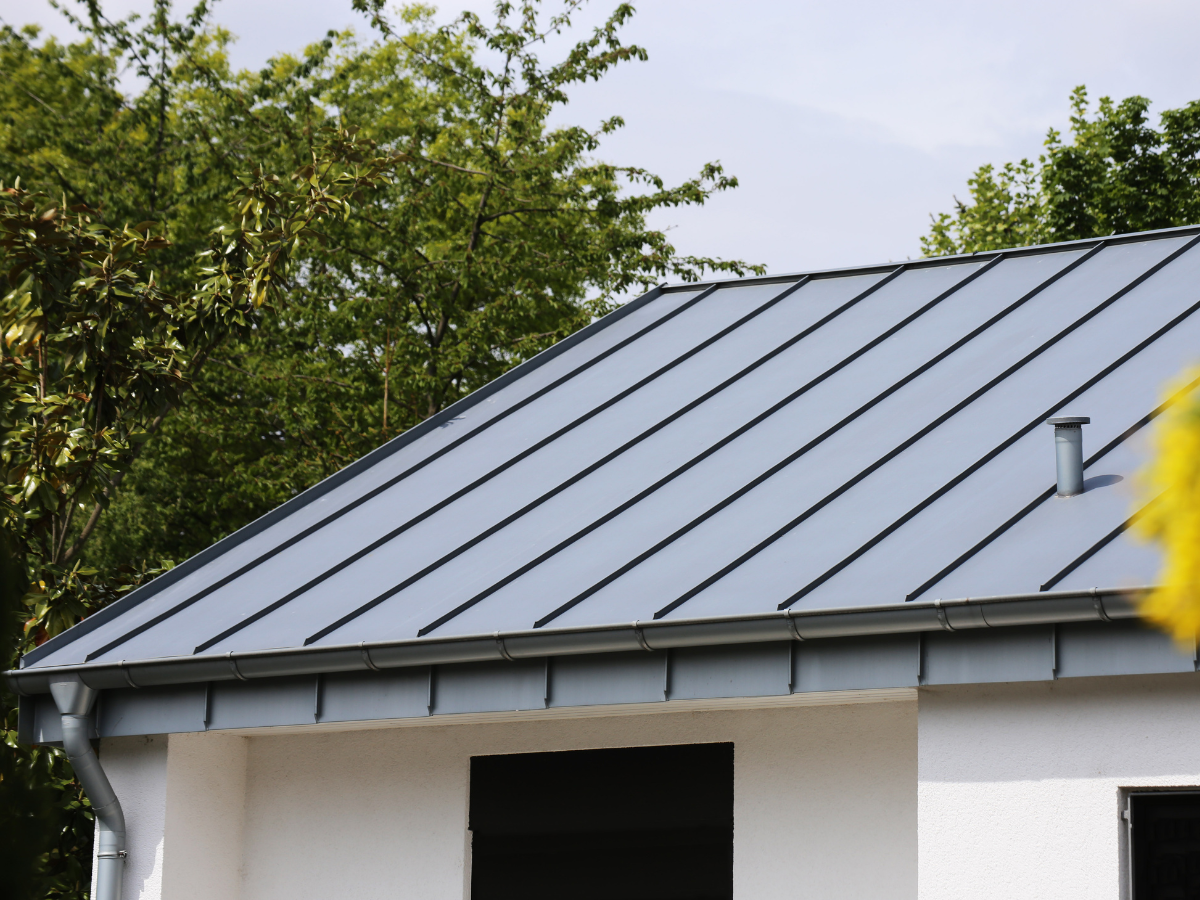
If you are considering metal roofing, cost is usually one of the first questions that comes up. The short answer is that there is no single metal roof price that applies to every California home.
Recent 2026 pricing data puts metal roofing in California at roughly $16,800 on average, but actual projects can vary widely depending on the roof size, material, panel style, complexity, tear-off requirements, labor, and location.
At Carmel Valley Heating & Sheet Metal, we provide metal roofing, gutter, and custom sheet metal services throughout Monterey County. For coastal properties, pricing can also be influenced by material selection, corrosion resistance, roof design, access, and the details required for long-term performance near the ocean.
How Much Does a Metal Roof Cost in California?
A useful starting point is to think in terms of a broad planning range rather than one fixed number.
Current 2026 California estimates vary by source and project type. One statewide estimate places typical metal roof installations between about $13,300 and $37,700, while Angi lists an average California metal roof cost of about $16,800.
Those figures are useful for planning, but they should not be treated as a quote for an individual property.
A straightforward roof on a smaller home may cost considerably less than a large standing-seam installation with steep pitches, multiple roof sections, custom flashing, difficult access, or coastal-specific material requirements.
The most accurate price comes from evaluating the actual roof.
What Determines the Cost of a Metal Roof?
Metal roof pricing is usually driven by several factors working together rather than one item alone.
The biggest factors include:
Roof size
Metal type
Roofing profile or panel system
Roof pitch
Roof complexity
Number of valleys, dormers, and penetrations
Tear-off of the existing roof
Roof deck condition
Underlayment
Flashing
Trim and edge details
Labor
Property access
Permits
Coastal material requirements
Custom sheet metal work
A simple roof with broad, uninterrupted sections is generally easier to install than one with multiple levels, valleys, chimneys, skylights, dormers, or complicated transitions.
That difference in labor can significantly affect the final project price.
How Much Does Metal Roofing Cost Per Square Foot?
Metal roofing is commonly priced by roof area, but per-square-foot figures can vary substantially depending on the system.
National 2026 cost estimates generally place installed metal roofing somewhere around $8 to $16 per square foot for many common systems, although premium materials and more complicated projects can cost considerably more.
California pricing can also be higher than national averages because of local labor costs, permitting, building requirements, and regional market conditions.
For example, current San Francisco data puts metal roofing at about $11 per square foot on average, with a much broader range depending on the material and style.
The important thing is not to multiply your home's interior square footage by a roofing cost and assume that is the project total.
Roof area can be larger than the home's footprint because of pitch, overhangs, attached structures, and roof geometry.
How Does the Type of Metal Affect Cost?
The word metal roof describes several different materials and roofing systems.
Common options include:
Steel
Aluminum
Standing-seam panels
Exposed-fastener panels
Metal shingles
Copper
Zinc
Each has different material costs, fabrication requirements, installation methods, and performance characteristics.
Steel Roofing
Steel is commonly used for residential metal roofing and can provide a balance between cost, strength, and durability.
The final price depends on factors such as panel profile, gauge, coating, finish, and whether the system uses exposed or concealed fasteners.
Aluminum Roofing
Aluminum is often considered for coastal applications because of its resistance to corrosion.
It can cost more than some steel systems, but material selection should be based on the exposure and requirements of the property rather than price alone.
Standing-Seam Metal Roofing
Standing-seam roofing is one of the more recognizable residential metal roof systems.
The vertical seams are raised above the panel surface, and fasteners are generally concealed beneath the system.
Standing seam typically costs more than basic exposed-fastener metal roofing because of the material, fabrication, clips, installation method, and labor involved.
Copper and Zinc
Copper and zinc are premium roofing materials and can be substantially more expensive than steel or aluminum.
They are often used for architectural details, specialty applications, or projects where appearance and long-term material performance justify the higher cost.
Does Standing-Seam Metal Roofing Cost More?
Usually, yes.
Standing-seam metal roofing tends to cost more than simpler exposed-fastener systems because the installation is more involved.
The price may include:
Higher-cost panels
Concealed fastening systems
Clips
Custom fabrication
More detailed installation
Specialized flashing
Additional labor
Current 2026 estimates show standing-seam roofing can range widely, with some national pricing reaching roughly $7 to $30 per square foot depending on the system and project.
For homeowners comparing roofing systems, the lower-cost option upfront is not always the same as the lowest-cost option over the life of the property.
Does Roof Size Affect Metal Roof Cost?
Yes. Roof size is one of the largest contributors to overall cost.
More roof area generally means more:
Metal panels
Underlayment
Flashing
Fasteners
Trim
Labor
Disposal
Equipment time
However, two roofs with the same square footage may still have very different project prices.
A simple gable roof may require less labor than a roof of the same size with multiple valleys, dormers, skylights, chimneys, and intersecting rooflines.
That is why roof complexity matters almost as much as roof area.
Does Roof Pitch Affect the Price?
Yes.
Steeper roofs can require additional safety equipment, staging, access, and labor.
They can also take longer to work on than lower-slope roofs.
Some current cost estimates show steeper roof pitches can increase project cost because of the added labor and safety requirements.
Roof pitch also changes the actual amount of roofing surface compared with the home's footprint.
A steeper roof can contain significantly more roofing material than a flat measurement of the building would suggest.
How Much Does Removing the Existing Roof Add?
If the existing roofing needs to be removed before the metal roof is installed, tear-off can add to the total project cost.
The amount depends on:
Existing roofing material
Number of roofing layers
Roof size
Disposal requirements
Accessibility
Condition of the underlying roof deck
Removing the old roof also creates an opportunity to inspect the decking underneath.
If damaged or deteriorated sheathing is discovered, repairs may be needed before the new roof can be installed.
Current cost data shows roof removal and decking repairs can add meaningful costs to a metal roofing project.
Does Roof Deck Repair Increase the Cost?
Yes.
Metal roofing should be installed over a roof structure that is suitable for the new system.
If the existing deck has:
Rot
Water damage
Soft areas
Structural deterioration
Improper previous repairs
those issues may need to be addressed before installation continues.
Deck repair is often difficult to price accurately until the existing roofing is removed and the underlying surface can be inspected.
For that reason, homeowners should understand how their contractor handles unforeseen decking repairs in the project estimate or contract.
How Does Coastal Exposure Affect Metal Roof Cost?
Coastal homes deserve additional consideration.
Properties near Carmel-by-the-Sea, Pebble Beach, Monterey, Pacific Grove, and other communities close to the ocean can be exposed to:
Salt air
Marine moisture
Fog
Wind
Wind-driven rain
Strong sun
Airborne debris
Those conditions can influence the metal, coating, fasteners, flashing, and accessories selected for the roof.
A product that performs well farther inland may not be the right choice for a property with significant marine exposure.
Material compatibility is especially important.
Using the wrong combination of metals or fasteners can contribute to corrosion and premature deterioration.
That is one reason a coastal metal roofing estimate may involve different materials or detailing than a similar-looking project farther inland.
If you are comparing roofing options for a coastal property, our guide to metal roofs vs. shingles explains how the two systems compare in wind, maintenance, durability, salt exposure, and upfront cost.
Does Custom Sheet Metal Work Affect the Price?
It can.
Some roofing projects require custom-fabricated pieces rather than standard components.
These can include:
Flashing
Roof-to-wall transitions
Chimney details
Valleys
Fascia
Coping
Trim
Specialty architectural pieces
Custom fabrication can add to project cost, but those details are often important to proper water management and long-term roof performance.
Carmel Valley Heating & Sheet Metal provides custom sheet metal fabrication for roofing and exterior applications throughout Monterey County.
Do Permits Affect Metal Roof Cost in California?
Depending on the scope and location of the project, permits and inspections may be required.
Permit costs vary by jurisdiction, so there is no single statewide permit price that applies to every metal roofing project.
California also requires contractors to be appropriately licensed for qualifying construction work. The California Contractors State License Board states that contractors generally must be licensed when a project requires a building permit, uses employee labor, or reaches the applicable project-cost threshold.
Homeowners should confirm permitting requirements with the local building department before work begins.
Is Metal Roofing More Expensive Than Asphalt Shingles?
Metal roofing typically costs more upfront than asphalt shingles.
That is one of the main reasons homeowners compare the two materials carefully.
The higher initial cost of metal roofing may reflect:
More expensive materials
Specialized fabrication
More detailed installation
Higher labor requirements
Concealed fastening systems
Specialized flashing and trim
Asphalt shingles generally have a lower initial installation cost.
Metal roofing, however, may offer a longer potential service life.
That means the best comparison is not necessarily:
Which roof costs less today?
A more useful question is:
What will each roofing system cost, maintain, and potentially require over the period I expect to own the home?
Our full metal roof vs. shingles comparison goes into those differences in more detail.
Can a Metal Roof Lower Cooling Costs?
Potentially, but homeowners should be careful about assuming a specific savings amount.
Roof color, coating, solar reflectance, insulation, ventilation, building design, climate, and existing HVAC performance all influence how roofing affects indoor temperatures.
The U.S. Department of Energy notes that solar reflectance and thermal emittance are important characteristics of cool roofing products.
Some metal roofs are available with reflective finishes designed to reduce solar heat absorption.
That can be useful in California, but energy performance should be evaluated as part of the entire building rather than assuming that metal roofing alone will produce a specific reduction in utility bills.
Is a Metal Roof Worth the Higher Upfront Cost?
That depends on the property and homeowner.
Metal roofing may be worth considering when:
You expect to stay in the home for many years
Long-term durability is important
The property has substantial wind exposure
You want to reduce the likelihood of multiple roof replacements
A metal roof fits the architecture of the home
Coastal exposure makes material selection particularly important
You value lower routine maintenance
The project budget can support the higher initial investment
Asphalt shingles may still make more sense when keeping the initial project cost lower is a priority.
There is no universal financial answer.
The better choice depends on the actual property, installation, expected ownership period, material, maintenance, and replacement timeline.
How Do You Get an Accurate Metal Roof Estimate?
The most reliable way to determine metal roof cost is to evaluate the actual property.
A contractor may need to look at:
Roof measurements
Roof pitch
Roof design
Existing roofing
Roof deck condition
Access
Flashing
Gutters
Ventilation
Skylights and penetrations
Metal type
Panel system
Coastal exposure
Custom fabrication requirements
Permit requirements
An online cost-per-square-foot figure cannot account for all of those details.
A roof with the same square footage as another home can have a substantially different price because of complexity, material selection, access, and existing conditions.
What Should Be Included in a Metal Roofing Estimate?
A clear estimate should make it easier to understand what is actually included in the project.
Depending on the job, that may include:
Roofing material
Panel style
Metal type
Coating or finish
Underlayment
Tear-off
Disposal
Deck repair allowances
Flashing
Trim
Fasteners
Gutters or drainage work
Custom fabrication
Labor
Permits
Cleanup
Warranty information
Comparing two roofing estimates based only on the final price can be misleading if they include different materials, scopes, or installation details.
It is more useful to compare what each proposal actually provides.
What Does a Metal Roof Cost in Monterey County?
There is no single Monterey County price that applies to every home.
Properties in Carmel Valley, Carmel-by-the-Sea, Pebble Beach, Monterey, Pacific Grove, Marina, Seaside, and surrounding communities can vary greatly in:
Roof size
Architecture
Access
Existing roofing
Coastal exposure
Roof pitch
Material requirements
Custom metal details
A straightforward inland roof replacement can be very different from a complex coastal project with custom flashing, difficult access, or materials selected specifically for marine exposure.
That is why local estimates should be based on the property rather than a statewide average alone.
Understanding the Real Cost of a Metal Roof
So, how much does a metal roof cost in California?
Current 2026 estimates suggest California projects can vary widely, with statewide averages and planning ranges generally landing in the mid-five figures depending on the source and project.
But the statewide average is only a starting point.
The actual cost depends on roof size, metal type, panel system, roof pitch, complexity, tear-off, deck condition, labor, custom fabrication, location, and coastal exposure.
For Monterey County homeowners, those property-specific details are especially important because roofing conditions can change considerably between inland Carmel Valley and homes closer to the coast.
Carmel Valley Heating & Sheet Metal provides metal roofing, gutters, and custom sheet metal services throughout Monterey County.
Considering a metal roof? Contact Carmel Valley Heating & Sheet Metal or call (831) 298-9922 for a project-specific estimate.
Frequently Asked Questions About Metal Roof Cost
How much does a metal roof cost in California in 2026?
Current 2026 estimates vary widely. One statewide planning source places typical California metal roof installations around $13,300 to $37,700, while Angi lists an average California project cost around $16,800. Actual pricing depends on the roof, material, labor, location, and project complexity.
How much does metal roofing cost per square foot?
Many current national estimates place common installed metal roofing systems around $8 to $16 per square foot, although premium materials, standing-seam systems, complex roofs, and regional labor costs can push pricing higher.
Is standing-seam metal roofing more expensive?
Generally, yes. Standing-seam roofing typically costs more than basic exposed-fastener systems because of the panels, concealed fastening system, specialized installation, flashing, and labor involved.
Is a metal roof more expensive than shingles?
Metal roofing generally costs more upfront than asphalt shingles. The long-term comparison depends on material life, maintenance, repair needs, replacement frequency, and how long you plan to own the property.
Does a coastal metal roof cost more?
It can. Coastal properties may require different metals, coatings, fasteners, flashing, or corrosion-resistant components. Roof access, exposure, wind conditions, and custom detailing can also affect the final price.
Does roof pitch affect metal roofing cost?
Yes. Steeper roofs can require additional labor, safety equipment, access, and installation time. Roof pitch also increases the actual roofing surface compared with the building's flat footprint.
Can I get an accurate metal roof price online?
Online pricing can provide a planning range, but it cannot fully account for roof size, pitch, complexity, existing conditions, access, material selection, coastal exposure, custom fabrication, and local permitting. An on-site evaluation provides a more accurate project-specific estimate.
Is a metal roof worth the cost?
It depends on the property, budget, expected ownership period, roofing system, local conditions, and long-term priorities. Metal roofing may be attractive to homeowners who prioritize durability and longer-term performance, while asphalt shingles may make more sense when lower upfront cost is the priority.
Considering a Metal Roof?
Metal roofing costs vary considerably from one property to another. Carmel Valley Heating & Sheet Metal can evaluate your roof, discuss material and system options, and provide pricing based on the actual project.