
Why You Should Clean Your Gutters Before the Rainy Season in Monterey County
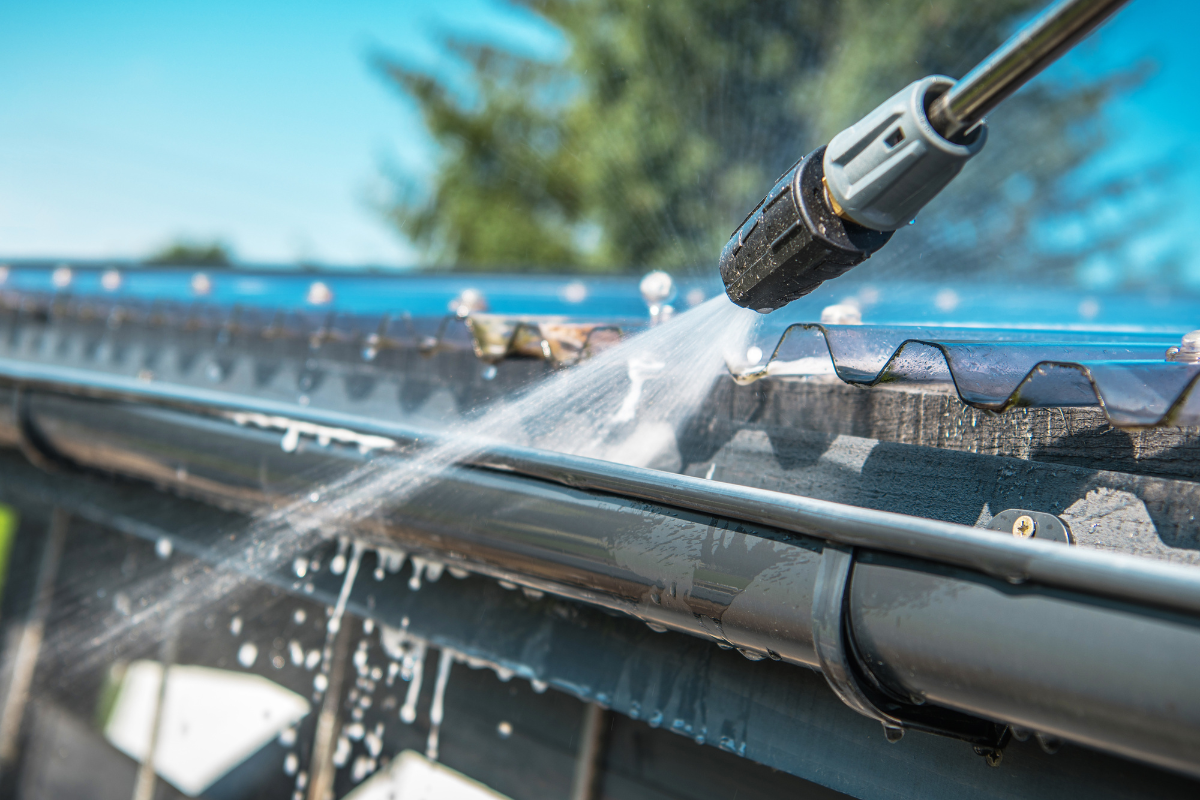
Gutters can be easy to overlook during months of dry weather. Leaves, pine needles, roof debris, dirt, and other material can gradually collect without causing an obvious problem. Once heavier rain arrives, however, clogged gutters may no longer be able to move water away from the roof and property as intended.
Cleaning your gutters before the rainy season gives you an opportunity to remove buildup, check how the system is draining, and identify visible problems before repeated storms put it to the test.
For homeowners throughout Carmel Valley and Monterey County, seasonal gutter maintenance is especially relevant as conditions shift from dry weather to periods of more frequent rain. Carmel Valley Heating & Sheet Metal provides gutter cleaning, gutter guards, and custom gutter services throughout Monterey County, helping homeowners prepare their drainage systems for the wetter months ahead.
Why Clean Gutters Before the Rainy Season?
The purpose of a gutter system is straightforward: collect rainwater from the roof and direct it toward downspouts so it can drain away from the structure.
That becomes more difficult when leaves, needles, twigs, dirt, and other debris accumulate inside the gutters or downspouts.
Cleaning before rainy weather begins can help:
Keep water moving through the gutter system
Reduce the chance of gutters overflowing because of debris
Reveal loose, damaged, or poorly draining sections
Identify downspout problems before heavier rain
Reduce standing water caused by blockages
Give you time to address gutter problems before the wettest part of the season
A gutter system does not need to be completely packed with debris to have drainage problems. Even partial blockages can interfere with how efficiently water moves during heavier rainfall.
Rainy Season Gutter Preparation Checklist
| What to Check | What to Look For | Why It Matters |
|---|---|---|
| Gutter channels | Leaves, pine needles, twigs, dirt, roof debris, or other buildup | Debris can restrict water flow and contribute to overflow during heavier rain. |
| Downspouts | Slow drainage, visible debris, disconnected sections, or blocked openings | Water cannot leave the gutter system effectively if the downspout is restricted. |
| Gutter alignment | Sagging sections, low spots, or water that remains after rain | Standing water can indicate that part of the system is not draining as intended. |
| Attachments | Loose sections, gutters pulling away from the fascia, or damaged hardware | A secure gutter system is better able to manage roof runoff during rainy weather. |
| Gutter condition | Cracks, holes, corrosion, damaged seams, or recurring leaks | Cleaning alone may not correct drainage problems caused by damaged components. |
| Discharge area | Water collecting near the structure, walkways, or landscaping | Downspouts should direct roof runoff toward an appropriate drainage or discharge area. |
Monterey County tip: Properties with mature trees, wind exposure, coastal moisture, or recurring debris may need more frequent gutter inspection and cleaning during the rainy season.
What Happens When Gutters Are Clogged?
Clogged gutters can change where rainwater goes.
Instead of flowing through the gutters and downspouts, water may back up, spill over the edges, collect in low spots, or drain somewhere it was not intended to go.
FEMA notes that gutters and downspouts can become overwhelmed or clogged with vegetation or debris during heavy rainfall, increasing the risk of water collecting around the roof or building.
Depending on the property and severity of the blockage, clogged or poorly functioning gutters can contribute to problems around:
Roof edges
Fascia and other exterior wood
Siding and exterior finishes
Walkways and entry areas
Landscaping
Soil near the structure
Areas around the foundation
The exact consequences depend on the home's roof, gutter design, drainage, surrounding landscape, and amount of rainfall. The important point is that controlling roof runoff becomes more difficult when the gutter system cannot drain properly.
1. Gutter Cleaning Helps Prevent Overflow
Overflow is one of the most visible signs of a gutter problem.
When debris restricts the path of water, rain can begin spilling over the front or back of the gutter rather than traveling toward the downspout.
During light rain, a partially clogged gutter may appear to function normally. A heavier storm can expose the restriction because more water is entering the system at once.
That is one reason cleaning gutters before the rainy season is more useful than waiting until you see water pouring over the edge during a storm.
Removing accumulated debris helps restore the open path water needs to move through the gutter system.
2. Clean Gutters Help Direct Water Away From the Home
Gutters are only one part of the drainage path.
The U.S. Department of Energy's Building Science Education program explains that gutters and downspouts are designed to direct rainwater away from the building and reduce the amount of roof runoff saturating soil around the foundation.
Water needs to move from the roof into the gutters, through the downspouts, and toward an appropriate discharge area.
A clogged gutter or downspout can interrupt that process.
If water repeatedly spills near the structure instead of following the intended drainage path, it may saturate nearby soil, wash out landscaping, or collect in areas around the property.
Cleaning the gutters is therefore not just about keeping the gutter channel clear. It is also an opportunity to confirm that downspouts are moving water where they should.
3. Seasonal Cleaning Can Reveal Gutter Problems
Debris can hide more than a blockage.
Once gutters are cleaned, it may be easier to notice signs that part of the system needs attention.
Possible problems include:
Loose gutter sections
Gutters pulling away from the fascia
Visible corrosion
Cracks, holes, or damaged seams
Sagging or low sections
Downspouts that have become disconnected
Water that remains in the gutter instead of draining
Damaged or missing hardware
Some of these conditions may affect how the system handles rain even when the gutters themselves are clean.
Finding them before repeated storms gives you more time to determine whether the gutter needs adjustment, repair, or replacement.
4. Gutter Cleaning Can Reduce Standing Water and Debris Buildup
Leaves and other organic material can hold moisture inside a gutter.
When drainage is restricted, water may also remain in sections of the system longer than it should.
Standing water and wet debris add unnecessary weight to the gutters and can make an existing sagging or drainage problem more noticeable.
The combination can also make gutters harder to inspect because the bottom of the gutter remains hidden beneath decomposing material.
Removing debris before the rainy season provides a clearer view of the system and allows water to follow its intended drainage path.
5. Clean Gutters Can Help Protect Fascia and Exterior Surfaces
Water overflowing from a clogged gutter does not always fall harmlessly to the ground.
Depending on the roof and gutter configuration, repeated overflow can wet fascia boards, siding, trim, doors, windows, or other exterior surfaces.
One overflowing gutter does not automatically mean exterior damage will occur, but repeated water exposure can create conditions that are harder on building materials over time.
Keeping gutters clear helps rainwater stay within the drainage system rather than repeatedly running across exterior surfaces.
6. Cleaning Before Rain Is Easier Than Responding During a Storm
A gutter problem is much easier to address before heavy rain than while water is actively overflowing.
Waiting for a storm to reveal a blockage can mean discovering the problem when:
The roof and gutters are wet
The ground is slippery
Water is already overflowing
Drainage problems are actively affecting the property
Safe access is more difficult
Gutter work involves heights and should not be attempted in unsafe conditions.
Preparing ahead of the rainy season allows cleaning and inspection to take place under more appropriate conditions rather than as an emergency response during bad weather.
7. Pre-Season Cleaning Helps You See How the Entire System Is Working
Gutter maintenance should involve more than removing a handful of leaves from the most visible section.
A functional system depends on multiple components working together:
Roof runoff entering the gutter
Open gutter channels
Proper drainage toward outlets
Clear downspouts
Secure gutter attachment
Appropriate discharge away from the structure
A problem anywhere along that path can affect drainage.
Pre-season maintenance provides an opportunity to look at the gutter system as a whole instead of treating each clog as an isolated problem.
When Is Gutter Cleaning Most Important?
How often gutters need cleaning depends on the property.
A home surrounded by mature trees may accumulate debris much faster than a property with little nearby vegetation. Roof design, wind exposure, gutter configuration, nearby evergreens, and previous drainage problems can also affect maintenance needs.
It is particularly worth checking gutters when:
Leaves or needles are visibly collecting
Plants are growing from the gutters
Water spills over during rain
Downspouts drain slowly or appear blocked
Gutters are sagging
Water remains in the gutter after rain
Debris is visible around downspout openings
It has been a long time since the system was inspected or cleaned
Rather than relying on one universal cleaning schedule, pay attention to how quickly debris accumulates at your particular property.
Monterey County's Rainy Season and Your Gutters
Gutter maintenance in Monterey County should reflect local conditions.
Homes in Carmel Valley, Carmel-by-the-Sea, Monterey, Pebble Beach, Pacific Grove, Big Sur, and surrounding communities can experience very different combinations of trees, wind, coastal moisture, roof designs, and exposure.
Dry periods can allow debris to collect gradually. When seasonal rain arrives, that accumulated material can suddenly become a drainage problem.
Wind can also carry leaves, needles, small branches, and other material onto roofs and into gutters. Properties surrounded by trees may require more attention than homes in more open areas.
Coastal properties have another consideration. Moisture and marine exposure can be hard on exterior metal over time, making periodic visual inspection useful for identifying corrosion or other deterioration.
The goal is not simply to clean gutters because a particular month has arrived. It is to make sure the drainage system is ready before local weather begins asking more of it.
What About Downspouts?
Clean gutters cannot do their job properly if the downspouts are blocked.
Downspouts carry the water collected by the gutters toward the ground and the property's drainage or discharge area.
Possible signs of a downspout problem include:
Water backing up in the gutter
Little or no water leaving the downspout during rain
Water escaping from downspout connections
Debris visible at the top or bottom opening
Overflow near the downspout outlet
Water collecting where the downspout discharges
A gutter cleaning should account for the drainage path rather than focusing only on the horizontal gutter sections.
If a downspout remains blocked or drains poorly after accessible debris has been removed, further inspection may be appropriate.
Are Gutter Guards a Replacement for Gutter Cleaning?
Not necessarily.
Gutter guards are designed to reduce the amount or type of debris entering the gutter, but they do not make every gutter system maintenance-free.
Leaves, needles, seeds, dirt, roof granules, and other material may still collect on or around certain guard systems. Conditions also vary considerably based on the type of guard, surrounding vegetation, roof design, and installation.
Gutter guards can be useful for some Monterey County properties, particularly where recurring debris is a problem, but the gutters and guards should still be inspected periodically.
If you are considering gutter guards, the better question is whether a particular system makes sense for your home and the type of debris your property typically receives.
Can You Clean Your Own Gutters?
Some homeowners clean their own gutters, but gutter work involves fall risk and should be approached carefully.
Cleaning may require ladder access, working near roof edges, handling wet or compacted debris, and reaching sections that are difficult to access safely.
Homeowners should not:
Work from an unstable ladder
Lean excessively to reach distant gutter sections
Walk on a wet or unsafe roof
Attempt gutter work during rain or strong wind
Reach near overhead electrical hazards
Attempt repairs beyond their ability or equipment
If the gutters are high, difficult to reach, located above uneven terrain, or require roof access, professional gutter cleaning may be the safer option.
How Do You Know If Your Gutters Need More Than Cleaning?
Cleaning will not correct every gutter problem.
Your gutters may need repair, adjustment, or replacement if you notice:
Sections pulling away from the home
Persistent sagging
Cracks or holes
Significant corrosion
Damaged seams or joints
Repeated leaks
Water remaining in sections after debris is removed
Downspouts that repeatedly disconnect
Overflow that continues even when the system is clean
Persistent drainage problems can also indicate that the existing gutter configuration is not handling roof runoff effectively.
A professional inspection can help determine whether cleaning is enough or whether another part of the system needs attention.
Should You Clean Gutters Before or After the Leaves Fall?
The best timing depends on the trees around your property and when debris tends to accumulate.
If substantial leaves, pine needles, or other material are already in the gutters before the rainy season, waiting for every nearby tree to finish dropping debris may leave the system clogged when rain arrives.
Some properties may benefit from an initial cleaning before wetter weather followed by another inspection or cleaning after a major period of leaf drop.
The condition of the gutters matters more than choosing one universal date.
Frequently Asked Questions About Gutter Cleaning Before the Rainy Season
Why should I clean my gutters before the rainy season?
Cleaning gutters before the rainy season removes debris that can restrict water flow. It also gives you an opportunity to identify visible gutter, downspout, or drainage problems before heavier or more frequent rain arrives.
What happens if I do not clean my gutters before heavy rain?
If gutters or downspouts are clogged, rainwater may back up or overflow instead of following the intended drainage path. Depending on the property, that water can collect near exterior surfaces, landscaping, walkways, or the structure.
How often should gutters be cleaned in Monterey County?
There is no single schedule that applies to every Monterey County home. Cleaning needs depend on nearby trees, wind, roof design, gutter configuration, previous drainage issues, and how quickly debris accumulates.
How do I know if my gutters are clogged?
Common signs include visible debris, water overflowing during rain, standing water in the gutter, slow drainage, plants growing from the gutter, or little water exiting a downspout during rainfall.
Should downspouts be cleaned too?
Yes. Gutters and downspouts work as one drainage system. A clear gutter can still back up if the downspout is blocked or cannot move water effectively.
Do gutter guards eliminate the need for gutter cleaning?
No. Gutter guards can reduce some types of debris entering the system, but they generally still require periodic inspection and maintenance. Debris can collect on the guards or enter the gutters depending on the system and property conditions.
Is it safe to clean gutters myself?
It depends on the property and your ability to access the gutters safely. High gutters, steep or wet roofs, uneven ground, difficult ladder placement, and nearby electrical hazards can make professional cleaning the safer choice.
Can clogged gutters damage a roof?
Clogged gutters can cause water to back up or overflow around roof edges and fascia. Whether that leads to roof damage depends on the roof, gutter configuration, duration of the problem, and other conditions, but recurring overflow should not be ignored.
When should I have my gutters cleaned before the rainy season?
Have them checked early enough that debris and drainage problems can be addressed before periods of heavier or more frequent rain. Properties with significant tree cover may need additional inspection or cleaning as more leaves and needles fall.
Get Your Gutters Ready Before the Rain Arrives
Gutter cleaning is a relatively simple maintenance step, but its purpose is important: keeping roof runoff moving through the drainage system instead of spilling where it was not intended to go.
Before Monterey County's wetter weather arrives, check for debris, blocked downspouts, sagging sections, visible damage, and signs that water is not draining properly. Properties surrounded by trees or with a history of gutter problems may need more frequent attention.
Carmel Valley Heating & Sheet Metal provides gutter cleaning, gutter guards, and custom gutter services throughout Carmel Valley and Monterey County.
If your gutters need cleaning or you are noticing overflow, drainage problems, or damaged sections, contact our team or call (831) 298-9922 to request service.